
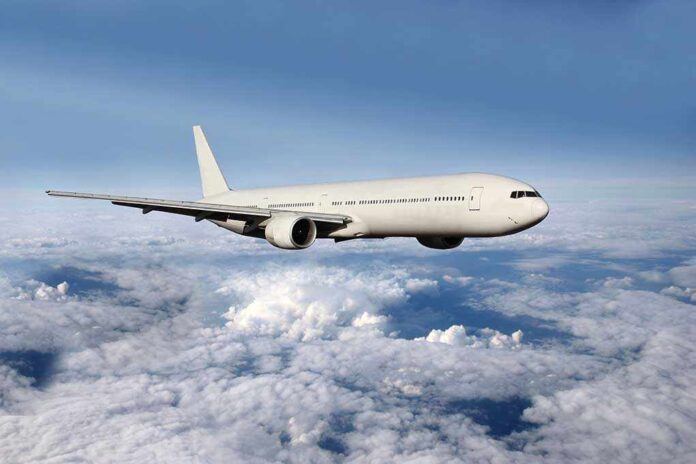
A seasoned airline captain with decades of experience was forced into an unprecedented crisis when an air traffic controller fell asleep, leaving a packed commercial flight circling helplessly above a French airport with no ground communication or landing clearance.
Story Snapshot
- Veteran pilot encountered situation never seen in decades-long career
- Air traffic controller’s negligence created dangerous circling pattern over French airport
- Packed commercial flight left without critical ground support during landing approach
- Incident highlights serious gaps in aviation safety protocols and oversight
Captain Faces Unprecedented Air Traffic Crisis
The commercial flight approached the French airport under normal circumstances when communication with air traffic control suddenly ceased. The experienced captain, boasting several decades of aviation experience, found himself managing a situation completely outside standard operating procedures. Without ground clearance or guidance, the aircraft was forced into extended holding patterns while the flight crew attempted to establish contact with the control tower.
Air traffic controllers serve as the critical link between aircraft and safe airport operations, managing takeoffs, landings, and airspace coordination. When controllers become incapacitated or unavailable, pilots lose essential ground support for navigation, weather updates, and runway clearance. This breakdown in the aviation safety chain creates dangerous scenarios where flight crews must make emergency decisions without proper coordination from ground personnel.
Aviation Safety Protocols Under Scrutiny
The incident exposes significant vulnerabilities in European aviation oversight systems. Air traffic control positions require constant vigilance and backup protocols to prevent exactly this type of dangerous situation. French aviation authorities must now address how a controller could fall asleep during active duty, potentially endangering hundreds of passengers. The lack of immediate backup systems or secondary controllers raises serious questions about current safety standards and regulatory enforcement.
Industry experts emphasize that such incidents, while rare, highlight the critical importance of redundant safety measures and continuous monitoring of air traffic personnel. The captain’s ability to safely manage the crisis demonstrates the value of experienced flight crews, but passengers should never face such risks due to controller negligence. This situation demands immediate regulatory review and enhanced oversight protocols to prevent future occurrences.
Broader Implications for Air Travel Safety
This extraordinary incident will likely prompt comprehensive reviews of air traffic control procedures across European airports. Aviation authorities must examine staffing protocols, fatigue management systems, and backup communication procedures to ensure passenger safety remains paramount. The captain’s unprecedented experience serves as a wake-up call for the entire aviation industry regarding the critical nature of ground-to-air coordination during all phases of flight operations.
Passengers deserve confidence that multiple layers of safety protocols protect them throughout their journey. When fundamental systems like air traffic control fail due to human negligence, it undermines public trust in aviation safety standards. Regulatory bodies must implement stricter oversight measures and accountability standards to prevent controllers from compromising passenger safety through such inexcusable lapses in professional duty.
Sources:
Understanding Stakeholders in an Airline Company
Aerodrome Safety: Safety Stakeholders, Roles, and Responsibilities
Unlocking Aviation Success Through Strategic Stakeholder Analysis
Operational Stakeholder Responsibilities in ISMS Implementation and Aviation Safety EASA