Trump’s latest tariff threat over Greenland shakes up global diplomacy with potential to disrupt NATO alliances.
Story Snapshot
- Trump threatens tariffs on nations opposing US control of Greenland.
- Greenland’s strategic value fuels ongoing tension between the US and Denmark.
- NATO alliances face potential strains as Arctic strategies clash.
- Denmark and Greenland leaders strongly oppose US acquisition efforts.
Greenland: The Strategic Prize
Greenland, a semi-autonomous Danish territory, holds immense strategic value due to its location and resources. The Arctic island is seen as a key player in global shipping routes and a treasure trove of untapped natural resources. As climate change opens new shipping lanes and access to resources, major powers like the US, China, and Russia have shown increased interest. Trump’s administration has taken a keen interest in Greenland, viewing it as an essential asset for national security.
The US interest is not new. Historical records show that the US has eyed Greenland since World War II, with secret offers to buy the island. However, it was President Trump who brought the idea back into the limelight in 2017, treating the acquisition as a real estate opportunity. The recent tariff threats are seen as an escalation in tactics, shifting from diplomatic discussions to economic coercion.
Trump’s Bold Tariff Threats
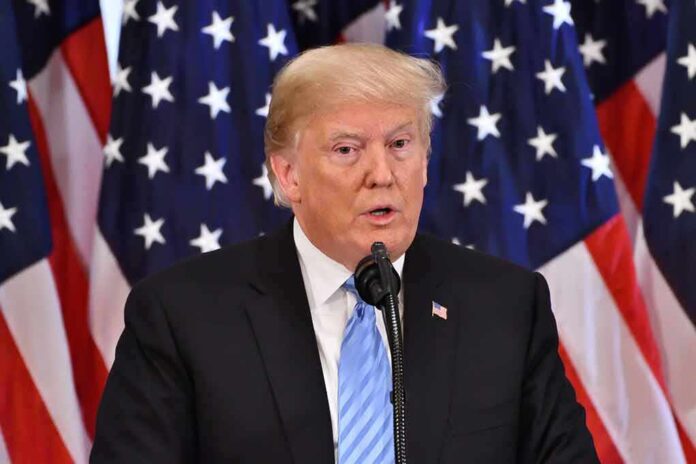
During a recent White House roundtable, President Trump made headlines by threatening to impose tariffs on countries that oppose US efforts to control Greenland. This announcement comes amid ongoing EU-US pharmaceutical trade talks, tying economic pressure to geopolitical ambitions. Trump’s rhetoric has escalated from seeking a purchase to threatening economic penalties, indicating a shift towards more aggressive measures.
Denmark and Greenland have been clear in their opposition. Danish Prime Minister Mette Frederiksen has consistently rejected the notion of selling Greenland, emphasizing the importance of sovereignty and the integrity of the Danish Realm. Greenland’s Prime Minister, Múte Egede, has also voiced strong opposition, prioritizing self-determination and dismissing any idea of the island being for sale.
NATO Tensions and Arctic Strategy
The Arctic region’s strategic importance has not gone unnoticed by NATO allies. Recent military exercises in Greenland, involving troops from five European countries, underscore the region’s significance in global defense strategies. However, Trump’s approach risks fracturing NATO alliances, as the US’s aggressive stance on Greenland could lead to tensions within the alliance.
The US’s push for control over Greenland has sparked debates within NATO, with European countries wary of escalating conflicts and potential destabilization in the region. Denmark and Greenland’s partnership with NATO is crucial for their security, and any US moves to assert control over Greenland could strain these critical alliances.
Economic and Political Ramifications
The potential economic fallout from Trump’s tariff threats is significant. Denmark’s pharmaceutical exports to the US, valued at around $12 billion in 2023, could be disrupted, impacting the Danish economy. In the long term, such economic pressures could accelerate Greenland’s push for independence, further complicating the geopolitical landscape.
Politically, Trump’s stance has drawn criticism from both domestic and international observers. Critics argue that the move violates international law and could lead to a loss of trust among US allies. The potential for a trade war with the EU looms large, as European nations may retaliate against US tariffs, further complicating transatlantic relations.