When the president and a sitting federal regulator unite to demand the firing of a late-night comedian, the clash between political power and free speech becomes a national spectacle with stakes that reach far beyond the punchline.
Story Snapshot
- Donald Trump publicly demanded NBC fire Seth Meyers after critical late-night monologues.
- FCC Commissioner Brendan Carr reposted Trump’s demand, escalating concerns about regulatory overreach.
- The controversy highlights the intersection of political pressure, media freedom, and federal authority.
- This episode may redefine the boundaries between entertainment, government intervention, and the First Amendment.
Political Pressure and Media Freedom Collide on the Late-Night Stage
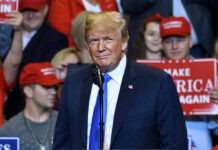
Donald Trump’s demand that NBC fire Seth Meyers is not merely a celebrity feud—it is a collision of political power and the foundational American belief in free speech. After Meyers delivered a string of monologues lampooning Trump and referencing newly released Epstein-related emails, Trump took to Truth Social, branding Meyers with “Trump derangement syndrome” and calling for his immediate dismissal. The move was bold, but the real escalation came when FCC Commissioner Brendan Carr amplified Trump’s demand on X, the platform formerly known as Twitter. That a federal regulator would so publicly echo a political call for a media firing is, in the eyes of legal scholars and media watchdogs, nearly unprecedented.
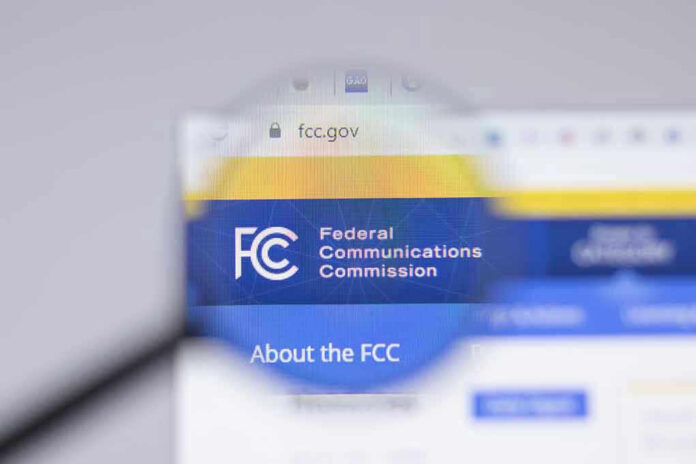
Regulatory intervention in broadcast content is a third rail in American media law, with the FCC historically defending its independence and the First Amendment’s prohibition on government interference in editorial decisions. Carr’s repost ignited a firestorm among free speech advocates and constitutional lawyers, who warn that even the appearance of regulatory bias or pressure can have a chilling effect on journalism and satire. While the FCC has oversight of broadcast licenses, its mandate has never included policing the content of comedy monologues—until now, some fear the lines are blurring.
Late-Night Television: The New Political Battlefield
Late-night television has evolved from light entertainment into a potent arena for political commentary, with hosts like Meyers, Kimmel, and Colbert regularly skewering politicians from both sides. Trump’s tenure in office fueled the genre’s shift toward the openly adversarial, and the recent release of Epstein-related emails only intensified the scrutiny. Meyers, known for his sharp editorial independence, found himself in the crosshairs not just of the president but now a sitting FCC commissioner. The timing is critical: other hosts have recently faced suspension or cancellation amid political controversy, and networks are walking a tightrope between audience expectations, advertiser pressure, and the risk of regulatory entanglement.
Donald Trump Calls For Late-Night Host Seth Meyers To Be Fired, And This Time, FCC Chairman Reposts POTUS’ Demand https://t.co/ID6dC55esn via @Yahoo
— Dat B Rayciss! (@librsick) November 17, 2025
Trump’s supporters argue that relentless negative coverage by the mainstream media and late-night hosts justifies calls for accountability. Free speech advocates and media organizations counter that government officials—especially those with regulatory power—should never meddle in editorial decisions, lest they set a precedent that could be used to silence dissent of any kind in the future. The stakes are not just about Meyers’ job but about the broader principle of whether government actors can pressure media companies to silence critics.
The Unprecedented Role of the FCC Commissioner
Brendan Carr’s involvement in this controversy has cast a spotlight on the boundaries of regulatory authority in a polarized media landscape. While Carr has not threatened any specific action against NBC, his amplification of Trump’s demand has been interpreted as a signal to broadcasters everywhere: step out of line, and you may face more than public criticism. Media analysts warn that such moves threaten the FCC’s tradition of content neutrality and could embolden future political appointees to leverage regulatory power for partisan ends. Legal scholars emphasize that while commissioners are entitled to personal opinions, their public statements carry the weight of their office and can influence industry behavior, intentionally or not.
NBC’s silence so far may be strategic, reflecting the high stakes and the legal minefield it faces. The network must weigh its commitment to editorial independence against the risk of regulatory scrutiny and political backlash. Meanwhile, the controversy has energized both sides of the debate, with some demanding stricter oversight of broadcast content and others calling for renewed vigilance to protect the First Amendment from creeping governmental influence.
The Future of Speech, Satire, and Regulatory Boundaries
The immediate outcome—whether Meyers keeps his job—is less significant than the precedent this episode could set. If public officials continue to use their platforms to pressure networks over content, the line between accountability and censorship may blur beyond recognition. Legal experts warn of a “slippery slope” where both left and right exploit regulatory levers to silence opposition, transforming the media from an independent watchdog into a political battleground controlled by those in power.
Late-night television, once a source of national unity through shared laughter, now mirrors America’s divisions. The Trump-Meyers-Carr saga is not just about a television host’s job security—it’s about the future of free expression in an era where politics, media, and government collide nightly before millions. The next act will determine whether satire remains protected speech or becomes the next casualty in the nation’s ongoing culture war.