Forty-five million Americans woke up to discover the sky had quietly turned into a nationwide threat assessment.
Story Snapshot
- 45 million people sit under weather alerts as two powerful storm systems squeeze the country from opposite sides.
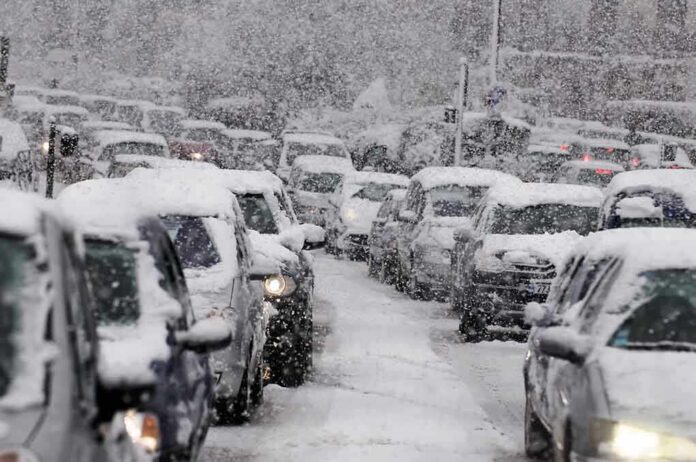
- The Northern Plains and Midwest battle one of the biggest December snowstorms in years while travel routes grind toward a standstill.
- The West endures an atmospheric river dumping up to a foot of rain on parts of Washington state.
- Blizzard warnings and a second snow event test infrastructure, emergency response, and personal preparedness all at once.
How One Storm Week Turned Into a Coast-to-Coast Stress Test
ABC News and multiple regional outlets report that roughly 45 million Americans are under active weather alerts as a sprawling set of storm systems presses across the United States. The Northern Plains and Midwest face a powerful winter storm that has already produced dangerous road conditions, while the West contends with an atmospheric river funneling intense moisture onshore. Parts of Washington state have measured up to a foot of rain from that western system, turning hillsides, rivers, and storm drains into pressure points.
Emergency managers and forecasters describe this as one of the most significant December events in recent years, with one source calling it “the biggest December snowstorm in years.” That label matters because early December typically introduces winter, not the kind of coast-to-coast stress test better suited to midseason. When a single week features blizzard warnings in Appalachia and flooding concerns in the Pacific Northwest, something larger about patterns and preparedness comes into focus.
Blizzard Warnings, Whiteouts, and the Highways That Suddenly Matter
Blizzard warnings remain in effect for parts of West Virginia, western Maryland, and western Virginia, starting 10:00 a.m. EST Wednesday, December 10, 2025, and continuing through the next day. Forecasters warn of wind gusts exceeding 45 mph, heavy snow, blowing and drifting snow, and visibility dropping to near zero at times. Travel on exposed routes can move from “difficult” to “life-threatening” in a single gust-driven whiteout, particularly where plows and treatment cannot keep up with snowfall and wind.
Local meteorologists flag specific corridors as trouble zones, including Route 219, Interstate 68 east of Morgantown, and the Highland Scenic Highway. Those roads may sound parochial on a national map, but they carry commuters, freight, and emergency vehicles that connect rural communities to hospitals and supply chains. When these corridors shut down, the impact does not stay on a mountaintop; it ripples to grocery shelves, delivery schedules, and medical appointments. That kind of disruption illustrates why timely, credible alerts still matter more than social media rumors.
Atmospheric River in the West and the Hidden Cost of “Just Rain”
The atmospheric river pounding the West taps a concentrated band of moisture that can rival the Mississippi River in the sky. Reports confirm that parts of Washington state have taken on up to a foot of rain from this event. Residents who shrug at “just rain” miss how repeated downpours overload stormwater systems, saturate slopes, and test aging culverts. When drainage fails, it is often not dramatic video but basements, small businesses, and two-lane roads quietly taking the hit.
WATCH: 45 million Americans under alerts as new storms take aim https://t.co/Rgku3CNOFV
— KMET1490AM (@KMETRadio) December 10, 2025
Water managers and utilities sit on the front lines of this kind of storm. Heavy precipitation challenges reservoirs, power infrastructure, and wastewater facilities already strained by growth and underinvestment. Conservative instincts toward infrastructure—build it solidly, maintain it consistently, and resist political fads that divert basic maintenance funds—fit events like this. Robust grids, clear culverts, and hardened substations are not glamorous talking points, but they keep the lights on when the atmosphere decides to cash in its moisture account.
From Immediate Chaos to Longer-Term Questions About Preparedness
Short-term, the impacts are straightforward: dangerous roads, delayed or canceled travel, stressed utility lines, and an elevated risk of accidents and medical emergencies. Medium-term, the picture widens to include economic disruption as shipping schedules slip, employees stay home, and small businesses absorb another weather-related bad week. Farmers and ranchers face early-season complications, from livestock exposure to access issues on rural roads. Each of those outcomes reflects tradeoffs between personal readiness and institutional capacity.
Meteorologists already track another widespread snow event developing toward the end of the week, signaling that this is not an isolated fluke but part of a broader atmospheric pattern. That raises uncomfortable but necessary questions. Do emergency management agencies have the depth to handle overlapping events across multiple regions? Have states and counties invested more in communications, plows, and gritters than in press conferences? The conservative common-sense view favors local competence, clear responsibility lines, and empowering families to prepare rather than waiting on distant bureaucracies.
Sources:
ABC News – 45 million Americans under alerts as new storms take aim
KVNU – 45 Million Americans Under Alerts as New Storms Take Aim
95.3 The Bee – WATCH: 45 million Americans under alerts as new storms take aim
Watchers.news – Blizzard warnings in effect for parts of West Virginia and western Maryland
WCHS – Weather Alert: Friday for another widespread snow event