A fresh report claiming Jeffrey Epstein hid computers and photos in unsearched storage lockers across America raises an ugly question: what evidence slipped through the cracks while Washington told the public the case was “handled”?
Story Snapshot
- A Telegraph-linked report alleges Epstein used at least six U.S. storage facilities to hide computers and photographs that were never searched by law enforcement.
- Secondary coverage says there is no confirmed follow-up showing raids, seizures, or public statements from federal authorities tied to the alleged lockers.
- The claims remain unverified because no locations, inventory lists, or official warrants have been made public in the available reporting.
- If accurate, the alleged cache could reopen questions about investigative thoroughness and accountability in a case tied to elite networks and victim justice.
What the New Reporting Claims Was Missed
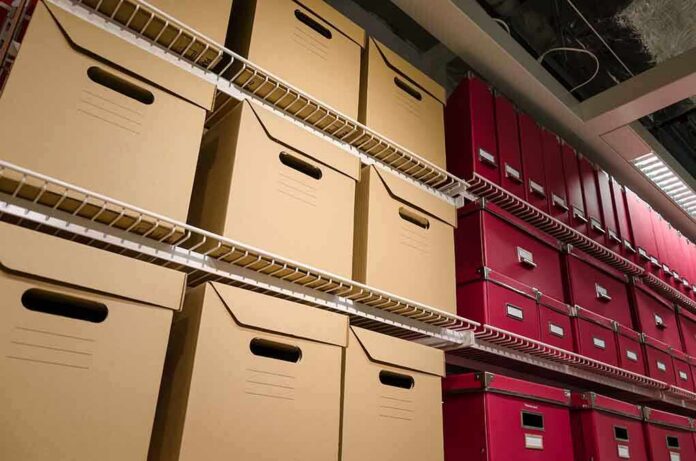
Reporting summarized from a Telegraph investigation alleges Epstein concealed computers and photographs in secret storage lockers “across the country,” describing at least six facilities that were never searched by U.S. authorities. The core point is not that Epstein owned storage—plenty of people do—but that these units allegedly held digital and photographic material that could matter in trafficking investigations. As presented in the summaries, no specifics are provided on addresses, dates, or chain of custody.
The available coverage also leaves a major gap: there is no confirmation that federal investigators have since located, secured, or forensically examined anything from the alleged lockers. Without warrants, property records, or evidence logs, the story functions as an unresolved lead rather than a settled finding. That uncertainty is important for readers who want facts instead of rumor, especially in a case that has attracted endless speculation since Epstein’s 2019 death.
Why Storage Lockers Would Be a Smart Evasion Tactic
Epstein’s known pattern—wealth, multiple properties, controlled access, and layers of gatekeepers—fits the idea of dispersing sensitive materials offsite. Storage units are low-profile, widely available, and easy to rent through intermediaries, making them a practical way to keep items away from headline-grabbing raids at a mansion or private island. The summaries say the alleged lockers were “across the United States,” a detail that—if true—would complicate any attempt to centralize a search quickly.
Unlike a single safe or server in one residence, multiple lockers in different states would require coordinated legal steps and follow-through. That reality makes oversight and persistence critical. Conservatives who watched years of bureaucratic stalling across major scandals will recognize how easily an investigation can narrow to what is convenient, not what is complete. If the reporting is accurate, the unanswered question becomes straightforward: why would a trafficking suspect’s dispersed storage footprint not be aggressively mapped and exhausted?
What’s Verified vs. What’s Still Allegation
The underlying allegation—hidden computers and photos in unsearched facilities—has been amplified by secondary outlets, but the summaries do not show independent verification beyond repeating the Telegraph’s premise. No documents are cited in the provided research showing investigators knew the locker locations, subpoenaed rental records, or obtained search warrants. No official statement is included either confirming the lockers exist, denying the claim, or explaining investigative decisions. That means the strongest confirmed fact here is that the claim is being reported, not that the evidence has been recovered.
The limited documentation matters because Epstein coverage has often mixed hard reporting with insinuation. A responsible takeaway is to separate two issues: the possibility of unrecovered evidence, and the certainty of what it contains. The articles, as summarized, suggest the materials could be incriminating, but do not provide inventories, forensic reports, or victim-identifying confirmations. Without that, readers should treat “what’s inside” as unknown until law enforcement or court filings establish it.
The Stakes: Victim Justice, Public Trust, and Equal Treatment Under Law
If unsearched lockers containing evidence exist, the stakes extend beyond Epstein’s name. Digital devices and photographs can corroborate victim accounts, establish timelines, identify additional perpetrators, or disprove claims made by people protecting themselves. That is why thorough evidence collection is not political theater—it is basic competence. For a country that believes in equal justice under law, it is corrosive when the public suspects powerful people get softer handling, slower subpoenas, or narrower search scopes than ordinary citizens would face.
The reporting also lands at a moment when many Americans are demanding a return to constitutional seriousness: transparent processes, accountable agencies, and an end to “trust us” governance. The research provided does not show a new, confirmed federal action tied to these alleged lockers. Until there is one, the most grounded conclusion is that the story adds pressure for clarity—either proof the lockers were searched and cleared, or an explanation for why they were not. In a case this notorious, silence fuels doubt.
Sources:
https://www.aol.com/lifestyle/most-isolated-location-united-states-123000548.html