California just passed laws to tax private immigration detention and ban electric-shock gloves for all officers in the state, setting up a high-stakes clash with federal immigration enforcement.
Story Snapshot
- California enacted a 25% tax on private immigration detention operators starting in 2028.
- The state banned officers’ use of electric-shock gloves through 2029 while a safety study is conducted.
- Officials said the laws answer civil-rights concerns and regulate safety within state borders.
- Federal officials argue California cannot dictate tools or tactics for federal agents.
What California Passed And When It Takes Effect
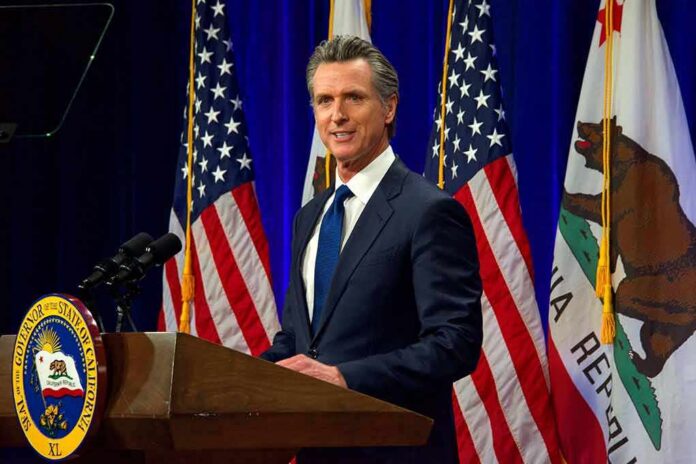
Governor Gavin Newsom signed a package of bills on September 29, 2026, that targets immigration enforcement tactics and private detention operations in California. The package includes a temporary ban on electric-shock gloves for all law enforcement officers operating in the state and a new 25% tax on the gross income of private corporations that run immigration detention facilities. The tax begins July 1, 2028, and is promoted by supporters as a first-in-the-nation measure to fund due-process services.
The shock-glove prohibition applies statewide to local, state, and federal officers while they operate in California and sunsets January 1, 2030. The law orders the California Department of Justice to complete a safety study by January 1, 2029, to examine risks and potential standards before any renewal or change. State leaders framed the ban as a narrow, time-limited safety rule to prevent injuries while data are gathered and reviewed for future policy choices.
How State Leaders Justify The Laws
Newsom and allied officials say the bills do not control federal immigration policy but set rules for conduct and commerce within California. They argue the state can regulate safety practices, public resources, and businesses that operate in its borders, including detention facilities that contract with federal agencies. The Governor’s office described the measures as protecting Californians and holding enforcers to constitutional standards inside the state’s jurisdiction, while agencies collect evidence for the mandated study.
The tax on private detention was narrowed during debate, which backers say shows tailoring rather than punishment. Reports indicate earlier drafts proposed a higher rate and earlier start date, but lawmakers settled on a 25% levy starting mid-2028. Supporters present the tax as a way to discourage harmful detention practices and to fund legal support for people in proceedings. Bloomberg Tax detailed the final rate and timing in its coverage of the enrolled measure.
Why A Legal Fight Is Likely
Federal officials have already challenged similar California attempts to regulate federal immigration operations. Courts have often ruled that immigration is a federal field, and that states cannot target federal officers or discriminate against them under the supremacy and intergovernmental immunity doctrines. Recent rulings against California identification and mask rules for federal agents signal a tough road for any state measure that reaches federal conduct in the field.
Tapper: Mr. Hilton, just to clarify, would you direct California law enforcement to assist the Trump administration's mass deportations beyond dangerous criminals? Yes or no?
Hilton: It's about enforcing the law. I mean, the federal law is immigration law is obviously a federal… pic.twitter.com/NnTh5UJ1y5
— Acyn (@Acyn) October 1, 2026
A senior federal prosecutor in California said the new shock-glove ban cannot bind federal agents and predicted it would fail in court. He argued California lacks authority to dictate the tools used by federal law enforcement and urged federal agencies to disregard the state directive while litigation unfolds. His comments underscore the central dispute: state police powers versus federal supremacy in immigration enforcement operations.
What This Means For Communities And Taxpayers
Local governments and residents now face a period of confusion as the state rules take effect but could be paused by lawsuits. Cities reviewing detention proposals must factor in required public hearings and longer timelines, while private operators evaluate whether the 2028 tax changes their business plans. Law enforcement agencies will need clear guidance about shock-glove compliance inside California, including how the ban interacts with joint operations that include federal personnel.
For many readers across the political spectrum, the conflict confirms a deeper frustration: leaders fight turf wars while basic public safety, due process, and fair costs get lost. Californians want safe streets and humane enforcement. They also want laws that stick in court, not symbolic moves that drain resources. Whether these measures improve safety and rights—or end up as another round of courtroom theater—will depend on the state’s study, the tax’s administration, and federal judges’ rulings.
Sources:
theguardian.com, gov.ca.gov, caimmigrant.org, news.bloombergtax.com, bostonherald.com, californiaglobe.com
© patriotpostnews.com 2026. All rights reserved.