
Three giant platforms flagged a film trailer as “political,” then backtracked after public blowback, exposing how a few gatekeepers can still choke public debate with one opaque label.
Story Highlights
- YouTube, TikTok, and Meta initially rejected paid ads for the “Musk” documentary trailer, citing political content.
- Meta and YouTube later said the rejections were errors or temporary and restored the ads after review.
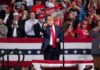
- The trailer includes a shot of a 2024 rally and an election reference, which likely triggered policy filters.
- Dispute underscores how broad “political” rules can sweep in non-campaign content and throttle promotion.
What happened to the documentary’s trailer ads
On September 26, The Hollywood Reporter said YouTube, TikTok, and Meta rejected paid ads for the trailer of Alex Gibney’s four-hour documentary, “Musk.” The distributor, Bleecker Street, was told the ads were blocked for “political content.” Reports also said the social platform X declined to run the ads, though a public policy reason was not quoted in those stories. The trailer itself still streamed on YouTube as regular content, even while ad buys stalled.
Meta and YouTube soon reversed course. Meta said the rejection “was an error” and it would restore the ads. YouTube said its automated system “temporarily restricted” the trailer when submitted as an ad, but cleared it after review. Both companies stressed that the trailer was available on their platforms throughout, with the change limited to its status as a paid advertisement. TikTok’s position beyond the initial rejection was not detailed in the cited updates.
Why “political” labels keep tripping non-campaign content
Outlets that covered the dispute tied it to long-running platform rules that lump together “social issues, elections, or politics.” Those rules aim to limit risk but often catch documentaries, news promos, or advocacy that are not campaign ads. In this case, reports said the trailer included a 2024 rally and an election reference, details that can activate policy screens that treat all election-adjacent content as political advertising. That broad filter can slow or block promotion even when viewers can still watch the content free.
After 2016, Meta tightened its ad policies and raised friction for political and social issue ads. Industry writers have warned that these policies can be blunt tools. They reduce spam and manipulation, but they can also silence or delay messages that many users want to see. This case fits that pattern: an automated system or strict rule flagged a documentary trailer, and only human review restored reach. That lag matters when most discovery now runs through a few ad channels.
Why this matters to people across the spectrum
Conservatives see tech giants as biased censors. Liberals see platforms as unaccountable monopolies. Both sides worry that a small group can throttle speech and shape what the public sees. Here, three large platforms slowed promotion for a film about a powerful figure. Even if some approvals later returned, the window for buzz and ticket sales is short. A day or two of blocked ads can blunt momentum for independent releases.
Musk Documentary Ads Return After Meta and YouTube Reversal
Meta and YouTube have reversed course and will now run Musk documentary ads after earlier
DETAILS: https://t.co/R0y3BDRBPA pic.twitter.com/RjXSyoAEdn
— Tekticia (@Tekticia) September 27, 2026
This dispute also shows how “the system” tends to protect itself. Companies write broad rules to avoid political heat, then rely on automated scans that over-block. Creators must appeal into a black box. Ordinary users never see the rulebook; they just see less choice. When a documentary about influence gets flagged as “political,” many Americans feel their own voices are next in line. Trust weakens, and the market of ideas shrinks a bit more.
What to watch next
Watch whether TikTok follows Meta and YouTube in restoring ads. Look for whether “issue” labels now attach disclosures that raise costs or limit targeting. Track if distributors change trailers to avoid brief rally shots or election mentions. If so, that signals the rules are steering speech. Lawmakers from both parties may also press for clearer standards, real transparency on automated blocks, and fast appeals when non-campaign content is flagged.
Sources:
feedpress.me, hollywoodreporter.com, mashable.com, breitbart.com, yahoo.com
© patriotpostnews.com 2026. All rights reserved.