California just approved a huge slate of new laws that will touch voting, immigration, health care, driving, and even how fast the state pushes electric vehicles.
Story Snapshot
- Governor Gavin Newsom signed hundreds of bills from the 2026 session, many taking effect January 1.
- New measures target election security, immigration enforcement transparency, and reproductive care access.
- Drivers will see changes from mobile licenses to electric bicycle training and electric vehicle build-out.
- Most bills become law only after the Governor signs them and the Secretary of State chapters them.
What Newsom Signed, and Why It Matters Now
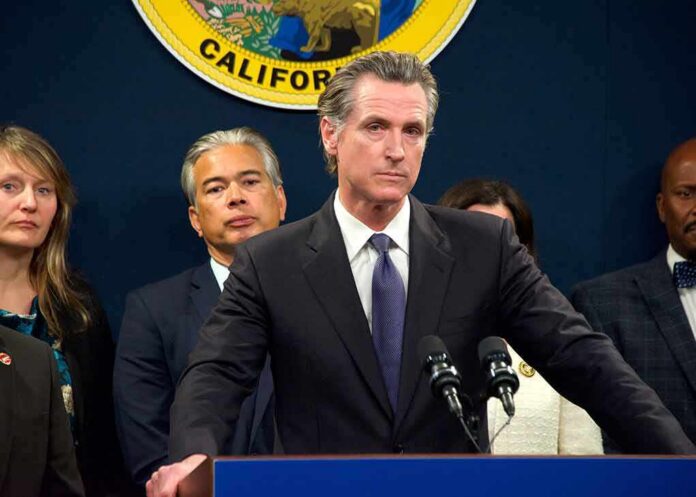
Governor Gavin Newsom signed hundreds of bills in late summer and fall 2026, spanning elections, immigration, health care, schools, and energy. The Governor’s office released bill lists across several dates, confirming subjects and authors. Examples include measures on immigration records and detention oversight, reproductive care access, and environmental reviews tied to coal export projects. These announcements show a sustained signing push rather than a single-day action, with multiple packages grouped by topic and timing.
California law sets a clear path from bill to law. Lawmakers pass bills in both chambers. The Governor can sign, veto, or allow a bill to become law without a signature. Once approved, the bill is sent to the Secretary of State for chaptering, and most signed laws take effect the next January 1. This process explains why many 2026 bills will start shaping daily life for Californians in early 2027, even if the signing happened months earlier.
Changes You May Feel in Daily Life
Election rules will tighten. One high-profile bill makes it a felony to seize or help seize ballots, election records, or certified voting gear before results are certified. It also targets officials who direct others to do so. Supporters framed these steps as safeguarding local control and election integrity. The state also highlighted new immigration-related laws meant to boost civil rights, oversight, and transparency around detention and enforcement activities within California.
Health care access will expand in certain areas. New laws support emergency services and care by nurse-midwives and shield certain legally protected health services, reflecting the state’s ongoing posture on reproductive health and related care networks. Separate measures adjust parts of the Medical Practice Act, including recognition for autism service paraprofessionals, which could affect staffing and wait times in some clinics. These moves are incremental but aim to widen access points in a stressed care system.
Drivers, Energy, and the Digital Wallet Push
Drivers will notice several updates. A new law expands access to mobile driver’s licenses, with the state pitching it as a way to cut costs and red tape while giving people more options to verify identity. Another measure promotes training around electric bicycles and student safety, reflecting rising e-bike use among teens and commuters. These changes meet people where they live: on roads, at schools, and in phone apps they already use.
Energy and environment bills continue California’s push to shape its power and transportation mix. A package seeks to speed the state’s electric vehicle future, expand consumer choice, and tie progress to energy reliability and independence, according to the Governor’s office. Another bill adjusts environmental review rules for coal handling and export activities, placing stricter checks on projects tied to fossil fuel movement in or through the state. These policies sit at the center of debates about energy costs, jobs, and climate goals.
How So Many Bills Move at Once
End-of-session signing sprints are normal in Sacramento. Governors often release bundles that mix narrow fixes with large policy steps. The California process gives a limited window to act, and agencies later implement the details. Many signed bills become law on January 1, which is why residents often feel a wave of changes at the start of the year, even if some measures are technical and others have delayed rollouts or require new rules and funding to bite.
In 2025 he rejected 123 of 917 bills (about 13%), and CalMatters found cost was the reason he cited most often.
The cases that match the claim are specific and recent.
**Homelessness spending.** In 2024 the state auditor reported California had spent about $24 billion on…
— Reply Guy in Witness Protection 🥸 (@smellyfarts24) October 8, 2026
For people on the right and the left who worry about big government missing real-life problems, the mix here is telling. The state is trying to make voting harder to disrupt, expand certain health care services, and push a faster shift to cleaner transport. At the same time, these moves bring new rules, costs, and timelines that will land unevenly by region and income. The core truth remains: the largest changes will come where laws, budgets, and agency follow-through line up.
Sources:
gov.ca.gov, ocregister.com, leginfo.ca.gov
© patriotpostnews.com 2026. All rights reserved.