

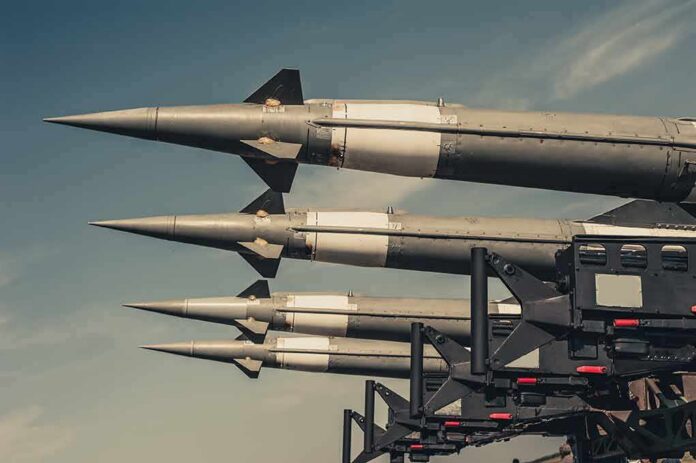
Washington approved a possible sale of 500 high-end Patriot interceptors to Ukraine, with $2.1 billion to be covered by allies, not U.S. taxpayers.
Story Highlights
- The State Department approved a possible sale of 500 PAC-3 MSE missiles to Ukraine.
- The estimated $2.1 billion cost is set to be paid by partners and allies, not the U.S..
- The interceptors target cruise and ballistic missiles and are in short supply.
- Approval is a key step, but it is not a delivery schedule or signed contract.
What Washington Approved And Why It Matters
The United States State Department said a possible Foreign Military Sale to Ukraine can move forward for five hundred Patriot Advanced Capability-3 Missile Segment Enhancement interceptors and support gear. The goal is to strengthen Ukraine’s air and missile defense against ongoing Russian strikes and to keep existing Patriot units supplied. These interceptors are designed to shoot down fast and hard-to-hit threats, including certain ballistic missiles, which few systems can counter today. The move signals continued support for Kyiv’s air defense.
The estimated price tag is $2.1 billion. The State Department said partners and allies will fund the package in full. Reporting points to contributions through multinational efforts, including European support mechanisms, which lowers the chance that American taxpayers cover the bill directly. For many readers across the political spectrum, the funding design speaks to a long-running demand: if America helps, others should pay more. Here, allied cash is central to the plan, even as the technology and approvals come from Washington.
What This Step Is — And Is Not
Under the Arms Export Control Act, a congressional notification is a formal step before a government-to-government sale is finalized. Congress can review and, in rare cases, block such deals. Approval of a possible sale does not mean a contract is signed, a production order is placed, or that deliveries are scheduled. That gap matters because headlines can blur approval with arrival. The process still needs a signed offer and acceptance and follow-on execution before missiles move.
The notification also did not include a delivery timeline. That leaves open when Ukraine would see a boost in missile stocks. Production of these advanced interceptors is limited and must cover United States needs and those of many partner countries. Competing demand and factory capacity shape how fast any buyer gets missiles. Those facts temper expectations about near-term impact, even as the approval itself signals intent and unlocks the next steps.
Why The PAC-3 MSE Matters On The Battlefield
The PAC-3 Missile Segment Enhancement interceptor is the most advanced Patriot version now in service, built to engage modern air threats and certain ballistic missiles with high accuracy. Ukraine has used Patriot systems to defend cities, power sites, and command hubs. Adding interceptors helps sustain that shield during periods of heavy attack. Because these missiles are scarce and expensive, every shipment is watched closely by both supporters and critics who track cost, stockpiles, and battlefield needs.
US approves a proposed $2.1 billion sale of Patriot interceptors to Ukraine after alleged holduphttps://t.co/jyeSF3JUuF
— InformedNotInflamed (@JohnDalyNews) October 31, 2026
The package is tailored to integrated air and missile defense, not general-purpose warfare. It supports sensors, launchers, and the trained crews that already operate in Ukraine. That fit matters for readiness. Missiles that match existing batteries can slot in faster than brand-new systems that need months of training. Still, without a public schedule, the effect date remains unclear. The difference between an approval on paper and missiles on rails can be months or years, depending on contracts and production.
How This Fits The Bigger Picture At Home
Many Americans say Washington promises more than it delivers, shifts costs, and keeps the public in the dark. This case cuts both ways. On one hand, allies are slated to pay, meeting a long-stated “burden sharing” goal. On the other hand, the lack of dates and the complex path from approval to delivery can feel like the usual maze. Clearer timetables and transparent funding updates would help taxpayers and allies see when Ukraine’s defense actually gets stronger.
Sources:
insidedefense.com, state.gov, breakingdefense.com, payments.jpost.com, en.apa.az, congress.gov, csis.org
© patriotpostnews.com 2026. All rights reserved.