
A senior U.S. official warned the Iran war “could last another year,” even as ship attacks and oil worries keep rising.
Story Snapshot
- U.S. Ambassador to the United Nations Mike Waltz said the war could last another year, while urging talks sooner.
- India confirmed real damage to two tankers near Hormuz, with crew missing and one fire reported.
- Iranian claims about multiple mine attacks lack consistent independent proof in open sources.
- Conflicting public claims about oil flows and attacks deepen public distrust and market strain.
U.S. Envoy’s One-Year Timeline And Push For Negotiations
CBS News reported that U.S. Ambassador to the United Nations Mike Waltz said the Iran war “could last another year,” while adding that talks could end it sooner. Waltz gave the assessment in comments cited from an interview with the Financial Times. The remark sets public expectations for a long conflict. It also signals that the administration still wants a deal. That mix reflects real battlefield risks and the political cost of prolonged high energy prices.
Waltz’s comment is not a formal intelligence forecast with disclosed assumptions. It is a senior official’s judgment shared in public. That matters for accountability. Voters and markets hear a timeline without the model behind it. Such statements tend to harden views on both sides. Critics on the right and left will see either drift or pressure for a quick bargain. The risk is clear: long wars sap trust and make daily life more expensive for regular families.
What We Know About Ship Attacks Near The Strait Of Hormuz
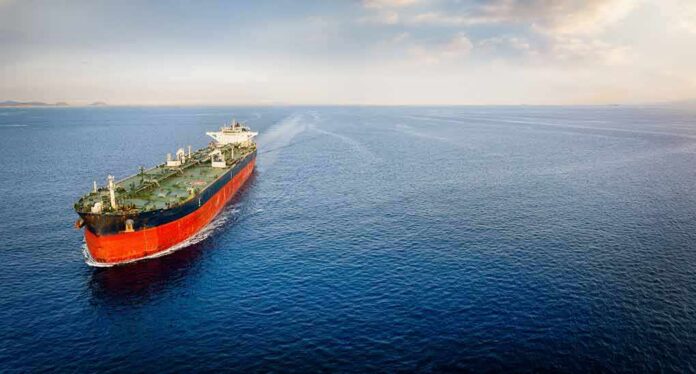
India’s Ministry of External Affairs said the MT PETRO DOLPHIN was hit by a drone, with two Indian seafarers missing. The ministry also said the Marshall Islands-flagged MT VALTHERA was struck by an unknown projectile and caught fire. These statements confirm real harm to people and ships. They stop short of assigning blame. That gap is key. Claims are many, but public forensic proof is limited. The facts show danger in the waterway, even when responsibility is unclear.
Iranian media and officials have described several tanker incidents, often citing naval mines. Some reported claims have not been independently confirmed in the available reporting. The result is a foggy picture where truth, error, and spin mix. Markets move on headlines long before investigators finish. Families see that in fuel bills. When signals conflict, people suspect elites on all sides are gaming the story. That uncertainty hurts trust in government and global institutions.
Competing Claims On Oil Flows And Political Stakes
President Trump said more oil was moving through Hormuz than before the war. Maritime reporting cited in the coverage said traffic was about 70 percent below prewar levels, creating a public clash over facts. This dispute matters beyond talking points. If leaders cite numbers that do not match visible conditions, skepticism rises. That blunt skepticism now spans both right and left. Many citizens think Washington talks first and checks facts later, while they pay the price.
The U.S. designated helium as a critical material on Friday.
On Sunday, 60 Minutes reported on the helium shortage caused by the effective closure of the Strait of Hormuz and Iranian strikes on a Qatar gas facility earlier this year.
A range of industries are feeling the… pic.twitter.com/RPcusZNaIL
— 60 Minutes (@60Minutes) October 23, 2026
Trump also accused Iran of making up “fake hits” and mines to raise oil prices ahead of U.S. midterms, a claim repeated in several reports. Those accusations have not been backed by public forensic evidence tying Tehran to fabricated events. Iranian announcements about attacks exist, but some lack independent confirmation. The record does show real damage to ships and ongoing risk near Hormuz. Until investigators release debris analysis and track data, many claims will remain contested.
Why The One-Year Warning Hits Home For Americans
A year more of conflict would likely mean tighter energy supplies and higher costs. That hits drivers, small businesses, and seniors on fixed incomes. Waltz’s call for talks suggests an off-ramp is possible. But any deal will face hard tradeoffs. Voters on the right want security and lower prices without rewarding bad actors. Voters on the left want de-escalation and relief for working families. Both groups doubt that Washington can deliver either without favoring insiders.
What To Watch Next: Proof, Pressure, And Policy Choices
Watch for verifiable evidence on ship attacks: satellite images, fragment analysis, voyage data, and crew reports. India’s statement sets a baseline for confirmed harm. Also watch whether oil shipments recover and if leaders align on numbers that match traffic data. Finally, track any talks signaled by U.S. and Iranian channels. A credible ceasefire plan would cool prices and calm the strait. Without that, the mix of risk, rumor, and rising costs may define the next year.
Sources:
cbsnews.com, mea.gov.in, iranintl.com, rawstory.com
© patriotpostnews.com 2026. All rights reserved.