
Ukraine’s rush to expand presidential control over anti-corruption watchdogs, then reverse course within days, exposed real cracks in wartime governance when public trust matters most.
Story Snapshot
- Parliament passed and President Volodymyr Zelensky signed a law squeezing anti-corruption agencies, sparking rare mass protests.
- European Union officials warned the move could threaten support; Kyiv faced fast international pushback.
- Zelensky pledged and submitted a fix restoring agency independence within days, signaling pressure worked.
- Polling shows trust remains above 50% but far below its early war peak, sharpening questions about legitimacy under martial law.
What Triggered Ukraine’s Largest Wartime Protests
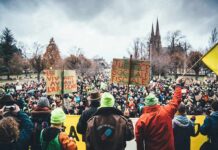
On July 22, 2025, Ukraine’s parliament passed, and President Volodymyr Zelensky signed, a law that expanded the prosecutor general’s authority over two key anti-corruption bodies. The National Anti-Corruption Bureau and the Specialized Anti-Corruption Prosecutor’s Office had guarded independence. The new law pulled them closer to the presidency. Thousands took to the streets in Kyiv and other cities. Demonstrators said wartime is no excuse to curb public watchdogs.
European leaders and rights groups voiced alarm. They warned that weakening these agencies could hurt public trust and risk foreign aid. Ukraine relies on Western support to fight Russia and to plan for rebuilding. Critics said the change looked like a step back from reforms built since 2014. The backlash came fast and loud, linking domestic checks and balances to the flow of money and weapons at a critical time.
The Rapid Reversal and What It Means
Within forty-eight hours, Zelensky pledged to restore the agencies’ independence. He submitted corrective legislation on July 23–24 after protests and allied criticism. Reporters called it “bowing to pressure,” but the decision also showed the system still reacts when citizens and partners push hard. The Associated Press noted that the fight risked trust in leaders. The quick pivot eased some concerns and kept crucial reform promises alive.
This episode showed both power and limits inside wartime rule. The presidency could steer a major change quickly. Civil society, media, and donors could also force a rethink. That tension is not new in Ukraine. Reforms often advance when squeezed between public demand at home and conditions from abroad. The danger is clear: even brief moves to centralize control can damage faith at home and abroad before fixes take hold.
Martial Law, Elections, and the Legitimacy Squeeze
Martial-law rules block elections while the war continues. Zelensky says voting will resume right after martial law ends. That stance follows Ukraine’s laws on emergency rule. But the open-ended timeline creates a legitimacy squeeze. Voters cannot deliver a verdict while missiles still fall. The longer that lasts, the more any governance misstep, like the July law, can fuel doubts about checks and balances in a country fighting for its democracy.
Polling tracks the strain. Reuters reported trust in Zelensky over 50% in early 2025, down sharply from the 90% surge after Russia’s full invasion. A survey by the Kyiv International Institute of Sociology found 57% trust and 37% distrust in February. Those are still net-positive numbers. Yet the drop matters. It shows how war fatigue and governance fights can erode unity even as the front demands it.
Why This Matters for Donors, Soldiers, and Citizens
Anti-corruption independence is not a side issue. It shapes whether donors keep faith, whether contracts are clean, and whether oligarch-era habits return. Soldiers need ammunition and pay on time. Citizens need to believe state power serves the law, not friends. The European Union’s sharp response signaled that support is tied to guardrails. Kyiv’s quick correction signaled it heard the message and wants to keep those commitments intact.
For Americans watching from afar, this is a stress test with lessons at home. People across our politics worry about elites protecting their own. Ukraine’s July whiplash shows how fast leaders can expand power, and how fast people can push back when they see a red line crossed. The fix does not erase the risk. It does prove that public pressure, transparent laws, and outside scrutiny can still force course corrections when it counts.
Sources:
cnn.com, reuters.com, haskovo.net, apnews.com, pbs.org
© patriotpostnews.com 2026. All rights reserved.