

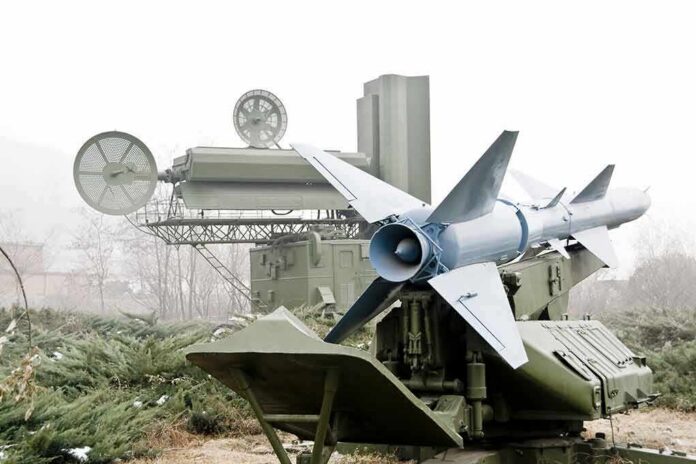
Washington approved a $2.1 billion package for 500 Patriot interceptors to Ukraine, but most may arrive years from now, underscoring the gap between big promises and battlefield needs.
Story Snapshot
- The State Department approved a proposed sale of 500 PAC-3 MSE interceptors to Ukraine.
- The estimated value is $2.1 billion, with Lockheed Martin as the main contractor.
- Officials say allies and European funds, not U.S. taxpayer dollars, would finance most costs.
- Reports warn deliveries could take years, limiting immediate impact on Ukraine’s defense.
What the U.S. Approved and Why It Matters
The U.S. Department of State approved a possible Foreign Military Sale to Ukraine for 500 Patriot Advanced Capability-3 Missile Segment Enhancement interceptors. The estimate is $2.1 billion and includes spare parts and support. Lockheed Martin is named as the principal contractor. Officials say the sale would strengthen Ukraine’s air and missile defense, which has faced heavy pressure from Russian strikes. The decision reflects a long-term plan to restock Ukraine’s Patriot units rather than a quick fix for today’s battles.
The State Department said Canada, Germany, and Norway plan to fund the purchase through a program called JUMPSTART, with added Ukrainian funds backed by a European Union loan. The announcement stated no U.S. funds are involved. That financing design may ease domestic fights over spending while keeping Ukraine supplied over time. Still, partner financing adds moving parts that must hold together for the plan to deliver at scale and on schedule.
Timing: Approval Now, Delivery Much Later
Officials and reporters described the transaction as a proposed Foreign Military Sale, not a done delivery. The process includes congressional review and contracting before production and shipment. Reports based on people briefed on the decision warned that many of these interceptors are not yet built and could take years to arrive, possibly well into the next decade, limiting near-term help for Ukraine’s air defenses. Under arms export law, “approved,” “contracted,” and “delivered” are distinct steps.
Congressional review rules require the executive branch to notify key committees before final steps on major sales. Typical review windows are measured in days, but production slots and supply chains can stretch timelines far longer. Past Government Accountability Office and Congressional Research Service work has noted the multi-stage nature of Foreign Military Sales and the time between initial approval and offer or delivery, emphasizing that the headline decision starts, rather than ends, the clock.
Operational Impact and Known Limits
Ukraine uses Patriot systems to stop ballistic and cruise missiles that target cities, power stations, and troop areas. Replenishing interceptors is vital because each shoot costs a missile that cannot be reused. The new package aims to refill those stocks for the long haul. But the public materials do not detail launcher counts, training capacity, maintenance plans, or a delivery schedule. Without those pieces, the short-term effect remains limited even if the long-term need is clear.
JUST IN: 🇺🇸🇺🇦 The US has approved a potential $2.1 billion Patriot missile sale to Ukraine.
Patriot missiles are in short supply worldwide pic.twitter.com/JLzyYOrTqI— The worldy trend (@Theworldytrend) November 3, 2026
Media coverage highlighted the core tension: the deal is large and signals staying power, yet it does not solve today’s shortage. Outlets reported that the delay could stretch years, which risks public confusion when headlines say “approved sale” while Ukraine waits for actual rounds. That gap feeds a broader concern many Americans share: Washington often announces plans that sound decisive, but the real-world results arrive late and cost more than expected.
How This Fits the Bigger Picture at Home
This decision lands in a political moment where both left and right doubt whether Washington delivers for regular people. Supporters see allied funding as a win that avoids raising U.S. costs while backing a partner facing daily attacks. Critics see another complex, slow government process that promises security but struggles on timing and clarity. Both views touch the same nerve: big actions on paper must translate into real outcomes, on a timeline that matches the need.
What to Watch Next
Watch for Congress to complete its review and for the Defense Department to move to contracting. Look for signs that Canada, Germany, and Norway lock in their contributions and that the European Union-backed loan flows as planned. Track whether Lockheed Martin expands production and reserves slots for Ukraine. Finally, watch for any schedule updates that move delivery left or right, which will decide whether this package changes conditions on the ground this winter, next winter, or much later.
Sources:
militarytimes.com, bbc.com, state.gov, thedefensepost.com, nbcnews.com, us.cnn.com, cbsnews.com, gao.gov, congress.gov
© patriotpostnews.com 2026. All rights reserved.