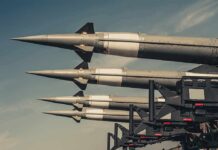

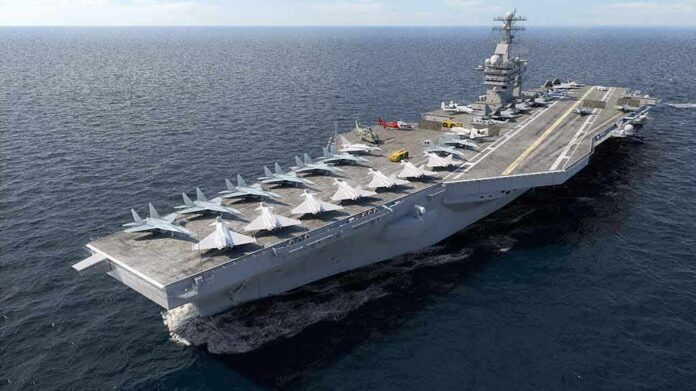
Washington’s new strategy plants a firm tripwire along the First Island Chain, betting clear denial beats distant caution.
Story Snapshot
- The 2026 defense strategy commits to denying aggression along the First Island Chain.
- Pentagon leaders tie deterrence to resilient forward bases, logistics, and allied roles.
- Commanders say distributed forces must operate across the first and second chains.
- Analysts urging a pullback say distance could lower war risk, but trade-offs are sharp.
U.S. Policy Locks In First Island Chain Denial
The 2026 National Defense Strategy says the United States will build a strong denial defense along the First Island Chain. The document links this posture to deterrence by denial. It argues that making an attack likely to fail will stop aggression before it starts. This is a clear reaffirmation of forward defense as national policy. It sets a bar for plans that would shift forces back to the Second Island Chain and beyond.
Assistant Secretary of Defense John Noh told the House Armed Services Committee that posture, logistics, and allies are the backbone. He said the department is strengthening resilient basing and supply networks across the theater. He also pointed to bigger allied roles in collective defense. These steps aim to keep forces operating under stress and to show shared resolve. That is core to the denial approach in daily practice, not just on paper.
Military Leaders Emphasize Distributed, Allied, Forward Forces
Admiral Philip Davidson testified that credible deterrence needs an agile, distributed joint force. He placed that force in both the First and Second Island Chains. He also highlighted interoperable allies and reassurance of U.S. commitment. This blends geography with coalition trust. It suggests that forward presence and allied confidence move together. It also hints that distance alone will not meet all goals if it weakens those signals.
The official Indo-Pacific strategy frames alliances as a force multiplier. It calls them the collective capacity needed to handle regional challenges. That view supports keeping strong ties with Japan, the Philippines, Taiwan, and others. Any large pullback could raise questions about staying power. That is why reassurance sits beside missiles and aircraft in planning. Trust and access can be as decisive as raw firepower in a fast crisis.
Geography, Threats, and the First Chain’s Hard Math
Congressional researchers define the First Island Chain as running from southern Japan past Taiwan and the Philippines to Indonesia. These chokepoints frame the waters closest to China. Planners see them as the main line that shapes time and distance in a fight. Owning time means arrival before a fait accompli. Owning distance means survival against strikes. Balancing both is the core problem that posture must solve.
Reports on China’s military growth describe campaigns from coercion to a full island landing. They note efforts to push power deeper into both island chains. That wider reach raises pressure on forward bases and ships. It also challenges a strategy that relies only on distance. A force too far back may be safer but slower. That delay could let facts on the ground harden before help arrives.
The Counter-Case: Distance Lowers Risk, But At What Price?
Some analysts argue for pulling back to the Second Island Chain. They say distance would reduce the chance of war by cutting daily friction. A proposal reported in regional media suggests fewer forward forces and a smaller footprint in places like Guam. Advocates claim this still protects markets and sea lanes while avoiding tripwires. The plan sketches specific troop and submarine numbers in the rear arc, not a full exit.
These ideas face two hard tests. First, commanders warn that China fields systems meant to keep U.S. forces out to both chains. That undercuts the view that distance alone ensures safety or access once war starts. Second, forward presence is tied to allied confidence and access. The evidence shows Washington treats that link as central to deterrence. A pullback might lower near-term risk but raise doubts that invite probes later.
What This Means For Readers Who Worry About Drift and Doublespeak
Defense leaders are choosing denial forward, with allies, and spread out. They accept higher exposure to keep speed and signal resolve. Critics see the exposure as a trap that suits Beijing’s missiles. Both sides point to real risks. The public takeaway is simple. Strategy is trading one kind of danger for another. Demanding numbers on survival, repair times, and allied choices is the next honest step before any shift.
Sources:
realcleardefense.com, media.defense.gov, armedservices.house.gov, armed-services.senate.gov, congress.gov, defenseone.com
© patriotpostnews.com 2026. All rights reserved.