
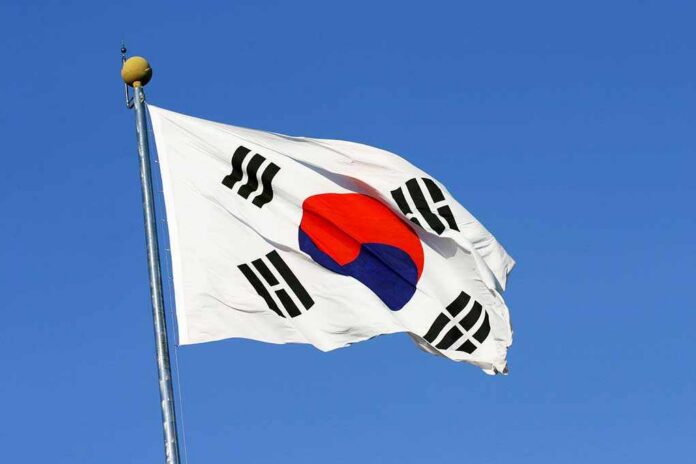
South Korea’s recall of its ambassador to Ukraine and drawdown of staff turned a private dispute into a public crack in wartime diplomacy.
Story Snapshot
- Seoul recalled Ambassador Park Ki-chang after Ukraine revealed a sensitive transfer of North Korean prisoners of war.
- South Korea then cut embassy staff in Kyiv, keeping only essential personnel and a chargé d’affaires.
- Ukraine’s disclosure came in President Volodymyr Zelenskyy’s United Nations speech on September 23, 2026.
- Seoul says support for Ukraine continues, but the trust breach remains unresolved.
What Triggered the Diplomatic Clash
South Korea recalled Ambassador Park Ki-chang on October 8, 2026, after Ukraine publicly disclosed that two North Korean prisoners of war were transferred to Seoul. South Korea’s Foreign Ministry said Ukraine broke a shared understanding to keep the transfer confidential to protect the soldiers and families. Yonhap reported that Seoul demanded an explanation and an apology from Kyiv. Ukraine’s denial that a formal confidentiality deal existed deepened the rift.
President Volodymyr Zelenskyy referenced the transfer in a United Nations address on September 23, 2026. South Korean officials argue the mention violated the confidentiality understanding. A South Korean diplomat said the two sides had no agreed date to go public but shared the idea to keep quiet as long as possible. That mismatch on process turned into a test of trust between partners who both face Russian pressure.
Seoul’s Staff Cut and What It Signals
On October 20, 2026, South Korea said it would withdraw some embassy staff from Kyiv. The ministry cited Ukraine’s lack of constructive steps and safety concerns due to increased Russian attacks. A chargé d’affaires and essential personnel would remain to keep basic services running, showing a calibrated step short of a full break. Analysts noted the move reduced visible diplomatic support even as formal ties stayed intact.
Policy experts described the episode as a deepening dispute rather than a collapse of relations. The Center for Strategic and International Studies said the recall and staff reduction marked the latest escalation, but South Korea retained limited representation. That keeps communication open while signaling unhappiness with Kyiv’s handling of sensitive wartime matters. It also lets Seoul weigh risks tied to Russia, China, and North Korea during a volatile period.
Support to Ukraine: What Changed and What Did Not
South Korea says it will continue sanctions on Russia, export controls, humanitarian aid, and cooperation on postwar rebuilding. Officials stress those areas are separate from the confidentiality dispute. Reporting shows Seoul has long avoided sending lethal weapons to countries in active war. That policy predates this clash and reflects a cautious stance shaped by regional security realities near Russia and North Korea.
The US–South Korea alliance is facing more than a diplomatic disagreement.
A Reuters report highlights friction over intelligence sharing and access to senior US officials, revealed during a South Korean parliamentary audit.
As Washington shifts its strategic focus toward…
— justin park (@cryptosuinavi) November 6, 2026
The available reporting does not show a measurable cut in allied military or financial help to Ukraine caused by Seoul’s actions. The steps are diplomatic and symbolic, not a full rupture. Still, the optics matter. When a partner recalls an ambassador and trims staff, the united front looks thinner. That image can feed public doubts on both the right and the left about whether global leaders are focused on results or on saving face in bureaucratic fights.
Why This Matters for Americans
Americans are paying for a long war while energy costs, inflation, and border issues strain trust at home. This dispute shows how one misstep in messaging can shake cooperation among allies. Governments say they protect people and follow rules, yet poor coordination wastes time and weakens joint efforts. Citizens see the gap between promises and delivery and worry that elites guard their turf while real problems drag on without clear wins.
The Open Questions That Need Answers
Key facts remain unclear in public records. No written confidentiality agreement has been released. Ukraine denies that a binding deal existed. South Korea frames the problem as a trust breach with safety stakes for families in North Korea. Evidence also does not link Seoul’s actions to any shift in United States policy toward Russia. Until documents surface, the safest reading is a bilateral rupture with limited spillover so far.
What to Watch Next
Watch for a joint statement, an apology, or a face-saving formula to rebuild trust. Look for South Korea’s budget lines and enforcement reports to confirm steady aid and sanctions. Track European responses, since allies care about unity signals. If the dispute fades without policy cuts, the damage may stay cosmetic. If aid or coordination slows, Ukraine’s war effort could feel it at the margins, where logistics and timing often decide outcomes.
Sources:
realcleardefense.com, news.sbs.co.kr, hani.co.kr, csis.org, ianslive.in, en.yna.co.kr, upi.com, bbc.co.uk, apnews.com, yahoo.com
© patriotpostnews.com 2026. All rights reserved.