
With a potential hurricane aiming at Alabama, officials are weighing whether the Georgia–Alabama game in Tuscaloosa can safely go on as planned.
Story Snapshot
- Alabama Athletics and the Southeastern Conference are monitoring forecasts and coordinating on options.
- Meteorologists warn of heavy rain, strong winds, and a tornado risk near game time.
- No change has been ordered yet; moving the game remains possible in extreme conditions.
- President Trump plans to attend, raising security and logistics stakes if weather worsens.
What Officials Have Said So Far
Alabama Athletics said it is closely watching the forecast for Saturday’s game and has not changed plans. The university noted it will keep working with the Southeastern Conference as conditions develop. The Southeastern Conference confirmed it is tracking weather and speaking with schools that could be affected this weekend. Together, these statements show active coordination but stop short of any schedule shift. That mirrors the usual approach when a storm threat is still developing.
Meteorologist James Spann told reporters the idea of moving the game is on the table. He and other forecasters outlined scenarios that include heavy rain, strong winds, and even a tornado threat for parts of Alabama during the game window if the storm track holds. Forecasts also mentioned gusts strong enough to cause problems for travel, tailgating, and stadium operations. These are hazards that can force delays or changes for outdoor events with large crowds.
What The Forecast Suggests Right Now
Weather reports identified a disturbance in the Gulf of Mexico with a meaningful chance to become a named storm and push impacts into Alabama by the weekend. Some paths would bring bands of heavy rain and strong winds into west and central Alabama on Saturday night. Small shifts in the storm’s path could ease or worsen the threat, which is why officials are holding on decisions while they watch updates. This is standard in storm weeks when confidence grows closer to landfall.
Local coverage outlined a range of possible hazards, from steady downpours to damaging gusts and a low but real tornado risk tied to the storm’s outer bands. Stadium leaders often treat lightning, wind, and tornado warnings as hard triggers for delays. That is why planners prepare for sheltering or evacuation even if they still hope to play on time. None of the schools or the league has listed exact triggers for a change in this case.
How A Change Could Work If Needed
The Southeastern Conference and the two schools can choose to move a game in extreme circumstances, though it is rare. Past storms have led to postponements or Sunday kickoffs when safety called for it. Spann said a Sunday evening slot might be the best option if the storm’s worst weather lines up with Saturday night. No timeline has been announced for a decision here. That will likely depend on the next rounds of advisories and track confidence.
TUESDAY EVENING NOTES….
*Tropical Depression Nine is forecast to become Hurricane Isaias by Thursday, with landfall near the Alabama Gulf Coast late Friday night or Saturday morning.
*NHC is forecasting Isaias to reach category two strength with winds of 100 mph south of the… pic.twitter.com/Tbk3vkeo7t
— James Spann (@spann) October 6, 2026
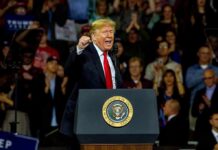
Plans for President Trump to attend add layers for travel, security, and crowd management if weather turns severe. The United States Secret Service and local agencies would need clear timing to adjust routes, screenings, and shelter plans. Big events often strain local roads and hotels. A late change could ripple across law enforcement staffing, medical support, and fan logistics. That is why coordination between the university, the conference, and public safety officials is key this week.
Why This Fits A Familiar Playbook
College football has faced hurricane threats before, and the pattern is steady. Early in the week, leaders monitor and avoid promises while forecasts are still moving. If the cone tightens and the risk grows, they pivot to schedule changes. The Southeastern Conference has used Sunday moves and postponements when safety required it, such as during Hurricane Matthew in 2016. The public “monitoring” language from Alabama and the league matches that well-known playbook.
What To Watch Next
Fans should watch official updates from Alabama Athletics and the Southeastern Conference as new forecasts arrive. Key signals would include storm track shifts toward west and central Alabama, increasing wind projections, and any tornado outlook for Saturday evening. If those risks climb, a time change or Sunday move could follow. If the track bends away, the game may proceed as scheduled with wet conditions. For now, leaders are keeping options open while safety stays first.
Sources:
covers.com, saturdaydownsouth.com, sports.yahoo.com, thespun.com, newsbreak.com, cbssports.com, abc3340.com, usairnet.com
© patriotpostnews.com 2026. All rights reserved.