A medieval landmark turned battlefield now sits at the heart of a propaganda war, and no one is showing the paperwork.
Story Snapshot
- Israeli troops seized Beaufort Castle after days of strikes and ground fighting [2].
- Associated Press video shows multiple airstrikes across southern Lebanon during the advance [1].
- Beaufort Castle is a protected cultural site, raising heritage-risk questions [2].
- No public targeting files or damage audits confirm what hit the castle itself.
What Happened At Beaufort Castle And Why It Matters
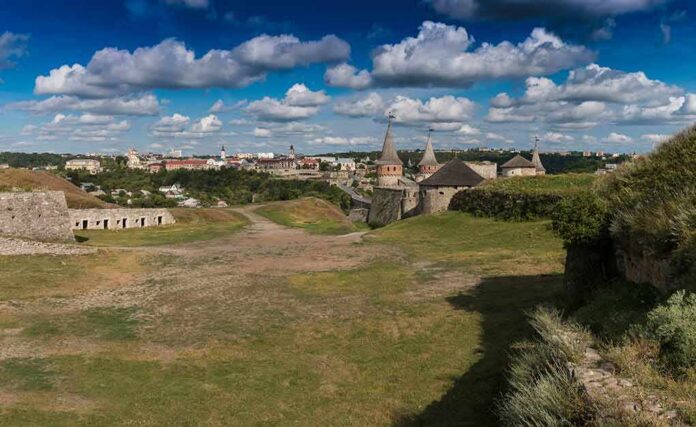
On May 31, Israeli forces said they captured Beaufort Castle in southern Lebanon after days of combat with Hezbollah in nearby villages. Reporters described the site as a strategic mountaintop that overlooks key routes and terrain. The operation unfolded as warplanes struck several locations across the region the same day. This mix of air and ground action makes the castle’s area a live battlefield, not an isolated monument. That fact drives both the claims and the doubts about what was hit and why [2].
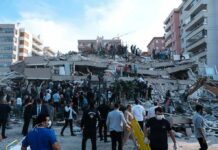
Associated Press video from the area showed smoke rising from strikes across southern Lebanon as Israeli troops advanced. Lebanese officials also reported casualties and building damage in Nabatiyeh and other places during the same time window. These reports support the idea that the wider region saw heavy fire while the castle changed hands. But they do not, on their own, prove a direct hit on the castle itself, or explain the exact targeting choices that day [1].
The Clash Between Military Value And Cultural Protection
Beaufort Castle is a 12th century Crusader-era fortress. It carries high historic and symbolic weight. Reporting says cultural sites in Lebanon, including Beaufort, received protection status from the United Nations Educational, Scientific and Cultural Organization in 2024. That status raises the bar for precautions and care near the site. It also magnifies the fallout of any damage, since harm to a protected landmark carries legal and political costs beyond normal battlefield loss [2].
Israeli officials frame the capture as a security step tied to Hezbollah threats. They point to the high ground’s military value and to prior warnings for residents to leave parts of southern Lebanon. The castle’s past also shows long-standing tactical interest; Israel held it from the early 1980s until 2000. Still, the public record here does not include a targeting packet, legal review notes, or a post-strike damage report. That gap leaves room for charges of reckless harm, and also for denials that anyone hit the site on purpose [2].
What We Know, What We Don’t, And Why Americans Should Care
Here is what the evidence supports. First, there were multiple strikes and active fighting around the time of the castle’s seizure. Second, the castle sits on key terrain with clear military use. Third, the site has recognized cultural protection, which triggers higher duties to avoid damage when possible. What we do not have are official strike lists, munition logs, or a battle-damage audit that shows whether explosions directly damaged the castle, or if effects came from nearby blasts [1].
Americans on the right and left see a pattern here. Officials ask for trust while keeping crucial records sealed. Media clips race ahead of firm proof. Cultural heritage and civilian areas become backdrops to power struggles. This is how skepticism grows at home. Clear steps could cut the fog: release targeting justifications, collateral-damage estimates, and post-strike imagery. Independent audits and sworn testimony would also help. Until then, both sides talk past each other, and public faith erodes a bit more [2].
Sources:
[1] YouTube – Israel strikes on Tyre leave ancient site in ruins
[2] YouTube – Israeli airstrikes hit southern Lebanon as troops capture Beaufort …
© patriotpostnews.com 2026. All rights reserved.