
India’s “cockroach” student movement has turned one leaked exam into a full‑blown revolt over whether the powerful ever pay a price when they fail the young.
Story Snapshot
- Student‑led “Cockroach Janta Party” protests are demanding India’s education minister resign after major exam leaks.
- Police crackdowns, baton charges, and tear gas have only pushed more young people into the streets and hardened their resolve.
- Prime Minister Narendra Modi’s government says it is cracking down on leaks and planning reforms, but refuses to sack top officials.
- The fight over exams has become a bigger question: can ordinary citizens force a government tied to powerful elites to face real accountability?
How a leaked exam ignited a nationwide youth backlash
The latest wave of protests began after India’s main medical entrance exam was leaked, forcing more than two million students to retake the test. For many families, this exam decides whether years of sacrifice lead to a stable career or another dead end. When the paper leak became public, anger quickly grew online. A satirical group calling itself the Cockroach Janta Party, or CJP, turned that anger into a real protest call. Students say the leak robbed them of a fair shot and proved the system is rigged.
At the heart of the protests is a simple demand: remove Education Minister Dharmendra Pradhan. Protesters argue that repeated exam failures, suicides linked to exam pressure, and now a massive leak show he cannot be trusted to protect students’ futures. Many see this not as one mistake, but as another example of leaders staying in power after failure while ordinary people pay the price. That idea will sound familiar to Americans who watched banks, bureaucrats, and politicians escape blame after their own crises.
The Cockroach Janta Party: satire turned serious street power
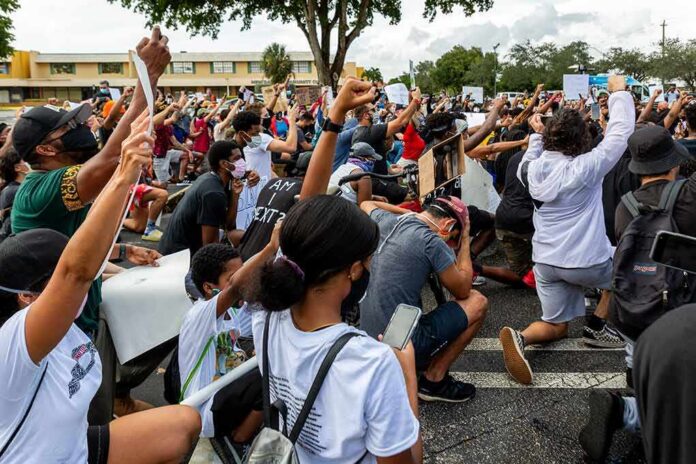
The Cockroach Janta Party started as a parody on social media, mocking how India’s political class treats young people as pests to be controlled, not citizens to be heard. But as exam scandals piled up, the joke stopped being funny. CJP founder Abhijeet Dipke, a 30‑year‑old public relations graduate, used Instagram and other platforms to call “all cockroaches” to gather at Jantar Mantar, a historic protest site in New Delhi. Thousands answered, many marching in over 100‑degree heat to demand Pradhan’s resignation and fair exams.
What began as one rally has now become one of the biggest challenges to Prime Minister Narendra Modi’s government since his 2024 re‑election. Crowds at the Jantar Mantar protest camp have swelled to several thousand, with supporters refusing to leave until the minister steps down. Smaller demonstrations have spread to major cities like Mumbai, Bengaluru, and Goa, showing this is not just a Delhi media event but a national youth movement. For India’s ruling party, this is a warning that a generation raised on broken promises is losing patience.
Police crackdowns, opposition politics, and a fight over who is to blame
Delhi police tried to stop a march toward parliament using batons and tear gas, leaving dozens of injuries on both sides. Officers say some protesters threw stones and tried to break barricades, while CJP supporters accuse police of excessive force and targeting peaceful students. Instead of calming things, the crackdown gave the protests new life. Images of young people beaten or dragged away are now fueling public anger, much like past clashes between American police and protesters over race, lockdowns, or election rules.
India’s opposition parties have seized the moment. Lawmakers led by figures such as Rahul Gandhi held sit‑ins outside Modi’s residence, backing the students and echoing their demand that Pradhan resign over the leak affecting millions of test‑takers. Some opposition leaders have gone further, saying Modi and Home Minister Amit Shah should step down for allowing harsh police tactics. This political embrace helps protect protesters from being ignored, but it also risks turning a broad youth revolt into just another partisan food fight, something frustrated citizens in both India and America have seen many times.
Government response: strong words, partial fixes, and no top resignations
Modi’s government has not denied the exam disaster. It cancelled the tainted test, ordered a re‑exam, and brought in the Central Bureau of Investigation, India’s top investigative agency, which has arrested several suspects in what officials call an exam “scam.” Senior leaders say more arrests are coming and promise that those who “played with students’ futures” will be punished. The government also told India’s Supreme Court that Modi is personally monitoring the issue, and plans are underway to move future exams to computer‑based formats to reduce leaks.
For many students, these steps are not enough. They ask why, after dozens of paper leaks over the past decade and tens of millions of affected candidates, almost no senior official has lost their job. Independent reviews show at least 70 confirmed leaks in seven years across 15 states, hitting medical, engineering, and government job exams alike. This pattern looks less like a rare crime and more like a system that protects insiders while treating young people as expendable. That is the same fear many American parents feel when schools fail but unions, bureaucrats, and vendors never seem to face real consequences.
Why this story matters far beyond India’s campuses
The exam fight taps into deeper worries that both Indian and American citizens share. In India, many young people face high unemployment, rising living costs, and a belief that connections beat hard work. When an exam leak wipes out years of study, it confirms their suspicion that the game is rigged by a small network of politicians, fixers, and private coaching centers. In the United States, many conservatives and liberals feel similar anger when big institutions, from Wall Street to Washington agencies, fail upward while ordinary families fall behind.
PM Modi did leave Parliament on July 20, 2026, during the CJP ("Cockroach Janta Party") 'Sansad Chalo' protests over exam paper leaks. His convoy departed amid heavy security while thousands of protesters gathered nearby and clashed with police in surrounding areas (e.g., near…
— @HisLotusFeet🇮🇳🚩💜 (@Krishnananda101) July 23, 2026
Student protesters say their struggle is not about left versus right, Hindu versus Muslim, or any single party. They say it is about whether a government that claims to speak for the people will accept blame when it fails them. Modi’s allies insist reforms are coming and warn against “politicising” the leak. But as India’s “cockroaches” dig in at Jantar Mantar, their camp has become a symbol of a larger global question: in systems run by entrenched elites, can citizens still force those in power to answer for the damage they do?
Sources:
insiderpaper.com, npr.org, reuters.com, indianexpress.com, youtube.com, en.wikipedia.org, straitstimes.com, facebook.com, livemint.com, timesofindia.indiatimes.com, ijfmr.com, indiatoday.in
© patriotpostnews.com 2026. All rights reserved.