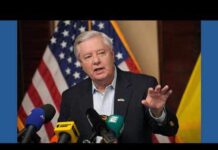
American democracy stands at a precarious threshold, with Joe Biden’s dire warning about a “very, very dark moment” under Donald Trump igniting fierce debate over the future of freedom and civic life in the United States.
Story Snapshot
- Biden’s recent speech frames Trump’s presidency as a direct threat to democratic norms and free speech.
- Media personalities face backlash and suspension for criticizing Trump, intensifying public anxiety about censorship.
- Political polarization and economic uncertainty heighten the stakes in the ongoing Biden-Trump rivalry.
- Expert observers warn of lasting consequences for American democracy, media independence, and voter engagement.
Biden’s Stark Warning: Democracy Under Siege
Joe Biden delivered a fiery speech on October 26, 2025, warning of a “very, very dark moment” for the nation if Donald Trump’s leadership continues unchecked. Biden accused Trump of fostering political division and undermining core democratic institutions, urging Americans not to underestimate the risks of authoritarianism. He painted a vivid picture of a nation at a crossroads, where civic vigilance and active engagement are the last bulwarks against creeping autocracy. Biden’s remarks resonated widely, as they came on the heels of high-profile incidents involving media censorship and attacks on critics, fueling concerns about the erosion of free speech and press independence.
The timing of Biden’s warning is significant: late-night talk show hosts such as Jimmy Kimmel faced temporary suspension after criticizing Trump, sparking a nationwide debate about the boundaries of free expression. The chilling effect on public discourse was palpable, with media organizations grappling with political pressure and self-censorship. Biden seized on these incidents to highlight what he sees as a dangerous trend—where dissent is punished and the executive branch flexes its muscle against critics. The former president’s message is clear: defending democratic values requires more than just rhetoric; it demands action from citizens and institutions alike.
Political Rivalry and the Battle for America’s Soul
The rivalry between Biden and Trump now defines the national conversation. Biden’s presidency was marked by attempts to restore democratic norms, while Trump’s return to power has unleashed aggressive rhetoric and controversial policy moves. The political divide has widened, with ongoing disputes over election legitimacy and the specter of fraud claims casting a shadow over public trust. Trump’s administration, meanwhile, remains focused on economic messaging, touting affordability and inflation as its central achievements. Yet, critics argue that these economic gains come at the expense of civil liberties and institutional integrity.
Key stakeholders in this saga include not only Biden and Trump but also media personalities, advocacy groups, and administration officials. Decision-making is concentrated in the executive branch, with influential advisors shaping both policy and public messaging. Media organizations, once considered independent arbiters of public debate, now find themselves both influencers and targets in an increasingly fraught political landscape. The power dynamics have shifted, and the stakes for American democracy have never been higher.
Free Speech on the Front Lines
Recent incidents involving media censorship and public backlash against critics have pushed free speech to the forefront of national concerns. The temporary suspension of late-night hosts sent shockwaves through the industry, prompting both outrage and anxiety about the future of press independence. These events underscore the urgency of Biden’s warning, as debates rage over the limits of executive power and the role of the media in holding leaders accountable.
Economic uncertainty compounds the tension, with inflation and affordability issues dominating public discourse. Trump’s critics argue that economic improvements are meaningless if democratic norms are sacrificed. Supporters counter that tangible gains in prosperity outweigh abstract concerns about rhetoric and institutional process. The public, caught between competing narratives, faces tough choices about which values to prioritize in the coming years.
Lasting Impact and Expert Analysis
Short-term consequences include heightened political mobilization and intensified scrutiny of media practices. Both supporters and opponents of Trump have rallied, turning the debate into a battle over the soul of America. Experts warn that the long-term implications could be even more profound: sustained authoritarian tendencies risk eroding democratic norms, undermining media independence, and reshaping voter engagement for generations. Political scientists draw historical parallels, noting that previous crises have tested—and sometimes broken—the resilience of American institutions.
Economic analysts highlight vulnerabilities in Trump’s platform, with inflation and affordability remaining persistent challenges. Media experts urge vigilance in defending free speech, warning that precedent-setting censorship could have ripple effects across industries. Diverse viewpoints clash as the nation grapples with questions of identity, governance, and civic responsibility. The outcome is far from certain, but the urgency of Biden’s message is undeniable: the battle for democracy is not over—it is just beginning.