Israel’s latest rocket interception and strikes in south Lebanon expose a fragile ceasefire and the danger of Iran-backed militias testing the border.
Story Snapshot
- Israel says it intercepted rockets from Lebanon and hit Hezbollah sites in response [1][2]
- Hezbollah denied firing the rockets as Lebanon reported Israeli strikes and casualties [1][5]
- Israeli leaders warned Lebanon is responsible for fire from its territory [3]
- The skirmish adds stress to an already shaky ceasefire along the border [1][2][3]
What Israel Says Happened And How It Responded
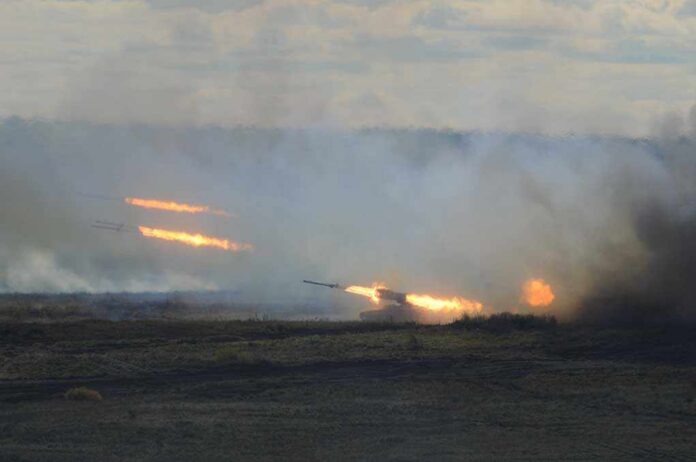
Israel’s military reported intercepting projectiles launched from Lebanon and then striking targets tied to Hezbollah in south Lebanon. Reports said three rockets aimed at Metula were shot down, with no injuries or damage in Israel. Prime Minister Benjamin Netanyahu’s office said leaders ordered a strong response against terrorist sites in Lebanon. The military said it hit several rocket launchers and a command center used by Hezbollah in the south [2]. Reuters reporting echoed the Israeli account of interceptions and strikes [1].
Israel framed the cross-border fire as a ceasefire breach and held Lebanon responsible for attacks from its soil. Israel’s defense leadership warned that the state of Lebanon must enforce the truce and stop armed groups from firing across the border. The response included strikes on sites Israel linked to Hezbollah operations. These actions match past patterns in the north, where rocket fire draws counterstrikes to remove launchers and deter more attacks [2][3].
What Hezbollah And Lebanon Are Saying Now
Hezbollah publicly denied it launched the rockets, saying it had no link to the morning fire and that it remains committed to the ceasefire. No other group claimed responsibility. A report quoted an Israeli official saying the identity of the rocket team had not been confirmed. The Lebanese Army said it found and dismantled the launchers after the attack and was still checking who used them. Lebanon’s Health Ministry reported fatalities and injuries from Israeli strikes in the south [5].
Lebanese officials warned that renewed Israeli actions could pull the country into a wider war. Lebanon’s leaders also argued that Israeli positions near the border break the ceasefire terms. That claim conflicts with Israel’s view that Hezbollah has kept military sites in the south and continues to threaten Israeli towns. The split underscores why quick blame calls are hard. Launchers are mobile, and militants often try to hide within civilian areas, which delays proof and raises risks for families on both sides [2][3][5].
Why This Border Flashpoint Matters To Americans
Iran-backed militias like Hezbollah threaten a key United States ally and test regional stability. Since 2006, cross-border rocket fire has followed a repeat cycle: launches, interceptions, denials, and counterstrikes. Israel relies on layered air defenses to shield civilians and buy time for targeted responses. Analysts say Hezbollah has launched thousands of rockets in recent years, even as Israel claims major hits on its stockpiles. The group still keeps enough rockets to wage sustained attacks if it chooses [16].
Weekly Report – Hezbollah Attacks Against Israel (8–14 June)
Key Trends This Week
During the past week (8–14 June), Hezbollah carried out 134 attack waves against Israel and IDF forces, a decrease compared to the previous week (1–7 June), during which 198 attack waves were… pic.twitter.com/UlayOgDENT— Israel-Alma (@Israel_Alma_org) June 15, 2026
American conservatives see a clear lesson. Peace comes from strength, not appeasement. The United States should back allies who defend their borders and hold terror groups to account. Washington should also avoid policies that enrich Iran, which funds and arms these militias. Border weakness abroad echoes border weakness at home. When bad actors see hesitation, they push harder. When they meet firm lines and clear costs, attacks tend to slow. That approach protects families and upholds freedom.
Sources:
[1] Web – Israel says intercepts Hezbollah rockets, conducts strikes in south …
[2] Web – Israel pounds south Lebanon after intercepting rockets, Hezbollah …
[3] Web – Israel hits Hezbollah targets after intercepting rockets from Lebanon
[5] Web – Israel intercepts rockets from Lebanon, retaliates with strikes – The …
[16] Web – [PDF] The Rocket Campaign against Israel during the 2006 Lebanon War
© patriotpostnews.com 2026. All rights reserved.