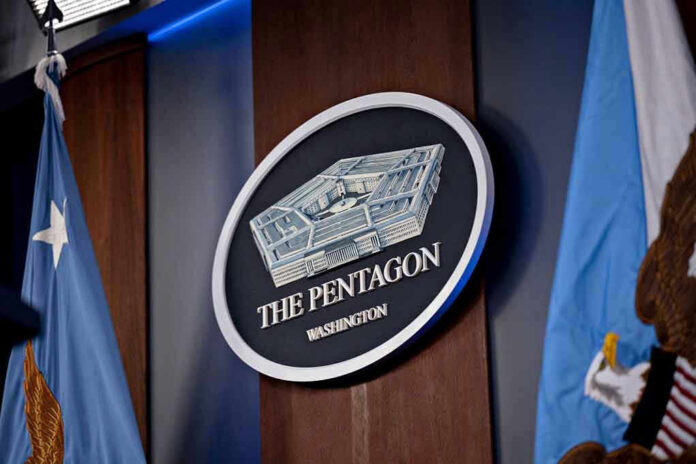
Defense Secretary Pete Hegseth publicly bragged about watching a controversial Caribbean drug boat strike that left no survivors, sparking the most serious bipartisan congressional challenge to Trump’s military operations yet.
Story Highlights
- Hegseth defended September 2025 strikes that allegedly killed survivors from suspected drug boats
- Bipartisan lawmakers launched formal inquiries demanding congressional testimony
- Administration maintains “deterrence matters” stance despite international law concerns
- Military continues aggressive Caribbean counter-narcotics operations amid controversy
The Strike That Sparked Congressional Fury
The September 2, 2025 Caribbean operation began as a routine counter-narcotics mission but escalated into something far more controversial. After initial strikes disabled a suspected drug vessel, military forces conducted follow-up strikes that allegedly eliminated two survivors. This secondary action triggered the firestorm now engulfing Hegseth’s tenure as Defense Secretary.
The Washington Post’s investigation revealed details that prompted Senate Minority Leader Chuck Schumer and bipartisan lawmakers to demand Hegseth’s immediate testimony. The timing raises uncomfortable questions about command decisions and whether international humanitarian law was violated during post-strike operations.
Hegseth’s Defiant Public Defense
Rather than expressing concern or promising investigation, Hegseth doubled down on December 2, 2025, defending the strikes as necessary deterrence measures. He criticized previous administrations’ “kid gloves” approach to drug trafficking, arguing that military commanders made appropriate judgment calls under difficult circumstances. His comments suggested the administration views these operations as successful rather than controversial.
Hegseth emphasized that “deterrence has to matter” and indicated the military would continue targeting suspected narcotics vessels in the Caribbean despite mounting congressional pressure. This stance reflects the Trump administration’s broader “take the gloves off” approach to cartel operations and border security enforcement.
Bipartisan Alarm Over Military Escalation
The congressional response transcended typical partisan divisions, with both Democratic and Republican lawmakers expressing concerns about the strikes’ legality and precedent. This bipartisan alarm signals that Hegseth faces genuine oversight challenges rather than routine political opposition. Lawmakers worry about establishing precedents that could undermine international humanitarian standards.
The controversy centers on fundamental questions about rules of engagement and post-strike protocols. Military law traditionally prohibits targeting individuals who have surrendered or are otherwise hors de combat. Congressional investigators want clarity on whether these principles were violated during the Caribbean operation.
The Broader War on Cartels
These strikes represent the Trump administration’s aggressive escalation of military involvement in counter-narcotics operations. Hegseth’s defense connects the Caribbean operations to broader border security objectives and the administration’s promise to combat cartel influence. The policy shift emphasizes deterrence over previous arrest-and-prosecution approaches that officials characterized as ineffective.
The administration argues these military actions have reduced drug trafficking flows by significant percentages, justifying the more aggressive posture. However, critics question whether the tactical gains justify potential violations of international legal standards and the precedent such operations establish for future military engagements.