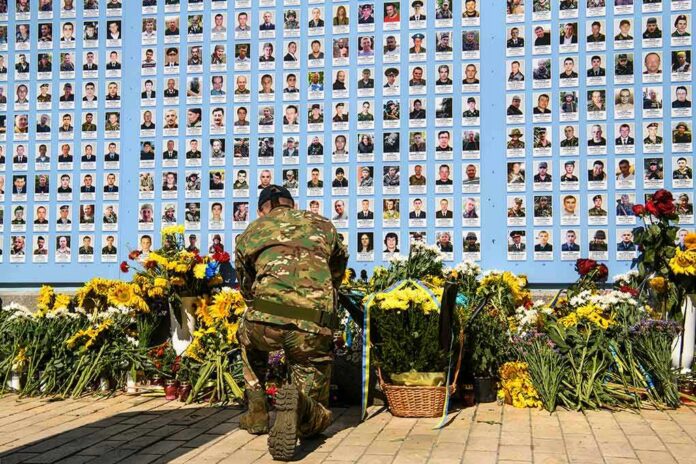
Israel marked three years since the October 7 massacre with a state memorial that lowered flags, tolled sirens, and named the dead.
Story Snapshot
- Israel held an official memorial day on October 5, based on the Hebrew calendar, with national ceremonies in Jerusalem.
- Leaders honored the 1,200 people killed and more than 250 taken hostage in the Hamas-led attack.
- Ceremonies began at 6:29 a.m., the reported start time of the assault, tying memory to the moment it began.
- Israel Defense Forces leadership acknowledged failures and called for a full investigation.
State Memorial Anchored To Hebrew Calendar
Israeli authorities held the official memorial day on October 5, 2026, because the remembrance follows the Hebrew calendar, not the Gregorian one. That placed the state ceremony close to the third Gregorian anniversary but not on the exact date. Ceremonies took place at Mount Herzl in Jerusalem and across the country. Flags were flown at half-mast, and families gathered for public readings and moments of silence. This calendar choice is grounded in law and practice, according to outlet reports.
Some communities also marked the anniversary on October 7 itself. That created two days of focus: one for the national ritual and one for the global date most people recognize. Coverage described dozens of events, from official gatherings to school activities and local memorials. The split can confuse viewers outside Israel, but both days aimed at the same goal. They honored victims and kept the memory of the attack central to public life.
Names, Numbers, And The Moment It Began
Organizers tied the memorial to the precise moment the rampage started. President Isaac Herzog and the first lady lit a memorial candle at 6:29 a.m., the reported time the attack began. That detail linked the ceremony to lived experience and to the timeline survivors recall. Public readings and remarks named those killed and those still missing. Reports consistently cite about 1,200 people killed and more than 250 taken hostage during the assault, figures repeated across major outlets.
Broad coverage also described how the hostage issue still shapes grief and politics. Families pressed leaders for updates and for swaps that could bring loved ones home. Reporters noted how trauma continues for survivors and how the country still lives with the scars of that morning. Internationally, statements at the United Nations and in foreign capitals framed the day within ongoing debate about the wider war that followed the attack and the suffering it unleashed.
Accountability And A Call To Learn Lessons
Senior military officials used the memorial to address failures and future fixes. Israel Defense Forces Chief of Staff Lieutenant General Eyal Zamir said the army failed in its main job to protect citizens on that day. He called for a full investigation and lessons learned to prevent a repeat. That message echoed a public demand for answers, even as the country mourned the dead and prayed for the hostages. The tone mixed grief with hard questions about readiness and warning.
Reuters reported that Prime Minister Benjamin Netanyahu said the nation unites in longing for the loved ones lost and praised resilience shown since the massacre. The wire service also noted that the official events included national symbols of mourning, like flag-lowering, and memorials at Mount Herzl. Together, these choices built a ritual that many countries use after mass tragedy. They honor victims, bind the community, and set a marker for public memory going forward.
Why It Resonates Beyond Israel
For Americans watching from afar, the structure of this memorial looks familiar. It blends ceremony, numbers, and personal loss with calls for accountability. It also shows how governments can shape memory by law and by ritual. In a noisy world, tying the ceremony to the exact start time helps people focus on clear facts. The two-date issue shows how culture and calendars can collide, but the core story remains the same: a country paused to remember the lives taken.
Sources:
jns.org, abc7ny.com, jewishnews.co.uk, euronews.com, dw.com, jpost.com
© patriotpostnews.com 2026. All rights reserved.