A federal judge said the Pentagon likely broke the law by punishing Anthropic for speaking out about military use of its AI.
Story Snapshot
- A judge blocked the Pentagon’s “supply-chain risk” label on Anthropic while the case continues.
- The court said the record supports a finding of illegal First Amendment retaliation.
- Anthropic’s lawsuit claims constitutional and administrative law violations.
- The Pentagon says it must be free to use tech for all lawful military purposes.
Judge’s Ruling and What It Means Right Now
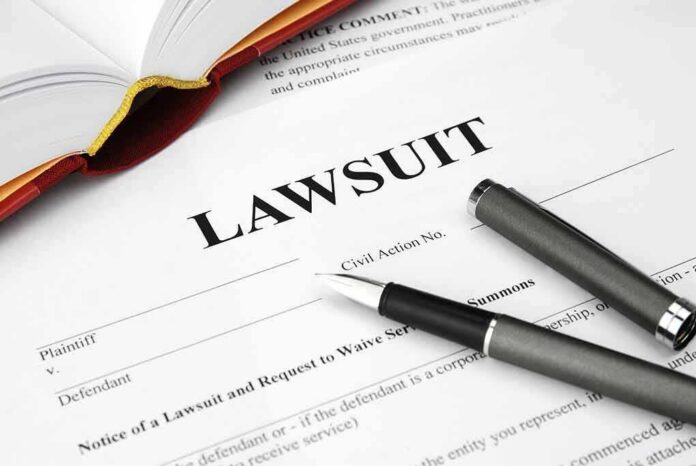
U.S. District Judge Rita Lin granted a preliminary injunction on March 26, 2026. The order pauses the Pentagon’s move to label Anthropic a “supply-chain risk” while the case plays out. Wired and Reuters reported that the court found Anthropic showed likely success on key claims and risk of harm. The judge wrote that punishing a company for public criticism looks like “classic illegal First Amendment retaliation,” based on the record so far. Reuters quoted the same line from the order.
The injunction matters for every company that sells to the government. A supply-chain risk tag can shut off access to contracts and partners across defense work. CNBC and others said the label would force contractors to certify they do not use Anthropic’s Claude model in Pentagon projects. That puts real business at stake, even before a final ruling. The court’s pause keeps those doors open while both sides argue the law and facts.
How We Got Here: The Designation and the Lawsuit
The dispute began after the Department of Defense sent letters in early March that formalized Anthropic’s designation as a supply-chain risk. Legal analysts said it was the first time this type of tag hit a U.S. firm. Anthropic sued on March 9, arguing the government violated free speech rights, due process, and the Administrative Procedure Act. Congressional researchers summarized those claims as exceeding legal authority and violating constitutional protections.
Anthropic asked the court to undo the designation and stop agencies from enforcing it. Reuters reported the company warned of “irreparable harm” to its business if the label stuck during litigation. The firm also argued that the rules at issue do not reach all uses by all customers, only direct use inside Pentagon contracts. That scope question remains active, but the injunction blunts the most urgent impact while the court reviews evidence and legal limits.
What Each Side Says About Power and Safety
Anthropic says it supports national defense but opposes fully autonomous weapons with today’s models and opposes mass domestic surveillance. The company claims it was punished for speaking publicly about those lines. The court said the current record supports an inference of retaliation. That is why the judge froze the designation for now. This is not a final win on the merits, but it signals serious concerns about the government’s actions.
A federal judge just ruled the Pentagon broke the law by blacklisting an AI company for having safety standards.
Here's what happened: Anthropic set "red lines" — limits on how its AI could be used by government agencies. The Trump administration didn't like that. So the… pic.twitter.com/I7WRiIX2aq
— Reddio 4aaaa.eth (@RichardCantwel9) August 28, 2026
The Pentagon says it needs to use technology for all lawful military purposes. Officials argue vendors cannot set battlefield rules by code or license. Reuters reported that the department framed the issue as preventing a vendor from putting troops at risk by limiting lawful use. That security-first stance resonates with many, but it must still fit within statutes and the Constitution. The court will weigh that claim against the retaliation and overreach arguments.
Why This Case Hits a Nerve Across the Spectrum
This fight blends national security, free speech, and government power over markets. Many Americans worry that leaders use complex rules to pressure companies behind closed doors. Others fear that large firms can dictate policy that should be set by voters and elected officials. This case tests whether “supply-chain risk” is a safety tool or a lever to punish public dissent. The judge’s order suggests the line may have been crossed here, at least for now.
What to Watch Next: Appeals, Evidence, and Limits
Expect more appeals and motions on what evidence the court may review. The government often keeps procurement and risk files secret, which can slow outside scrutiny. The key questions are narrow but big: Did officials target protected speech? Did the department exceed the reach of the supply-chain risk laws? And what concrete harm did the label cause? Answers to those questions will shape how agencies police vendors in the artificial intelligence era.
Sources:
reuters.com, cnbc.com, nytimes.com, mayerbrown.com, wired.com, courthousenews.com, labs.cloudsecurityalliance.org
© patriotpostnews.com 2026. All rights reserved.