The sight of a powerful Iowa judge found unconscious after driving the wrong way on a highway is forcing everyone to ask: When those who enforce the law break it, what hope is there for justice?
Quick Take
- A sitting Iowa judge was charged with OWI after being found unconscious behind the wheel, spotlighting judicial accountability.
- Multiple 911 calls reported her dangerous wrong-way driving, escalating public safety fears.
- The case raises serious questions about ethical standards and trust in the judiciary.
- Legal proceedings and intense media scrutiny are underway, with far-reaching implications for oversight and reform.
A Lawmaker Behind Bars: The Incident That Shook Iowa
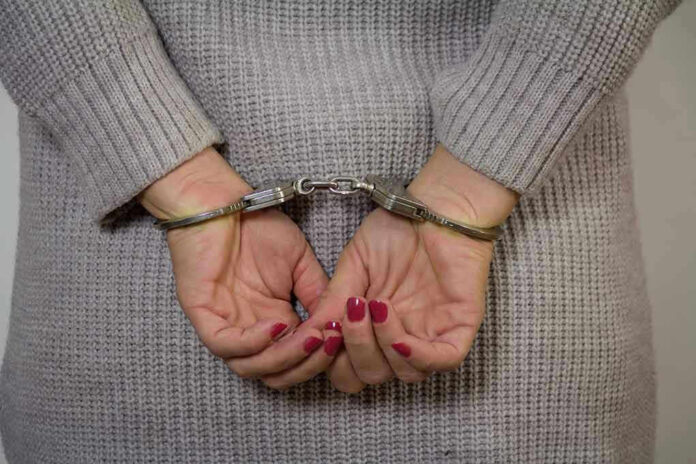
911 operators in Iowa fielded frantic calls reporting a vehicle barreling the wrong direction down a highway. Responding police officers arrived to find not just a driver, but a sitting judge — unconscious, slumped behind the wheel. The scene, surreal in its gravity, rapidly set social media ablaze and ignited conversation across the state. The judge, who routinely decides the fate of others, now found herself on the opposite side of the law, charged with Operating While Intoxicated (OWI). That single moment transformed an enforcer of justice into the subject of public suspicion and legal scrutiny.
The timing of the incident, early November 2025, could not have been more fraught. Iowa’s history of strict OWI enforcement means that any high-profile arrest, especially of a judicial figure, becomes immediate headline fodder. As details of the arrest trickled out — including the alarming specifics that the judge was found unconscious, suggesting a severe level of intoxication — the story gained momentum. Law enforcement confirmed the charge and the arrest, but official statements from the judge and judicial oversight bodies remained conspicuously absent. The silence only fueled public speculation and anxiety about the state of judicial integrity.
The Ripple Effect: Accountability, Ethics, and Public Trust
Judges operate under a microscope, held to some of the highest ethical standards in American public life. Their personal conduct, especially when it endangers lives, becomes emblematic of broader questions about the very system they represent. The judge in question now faces not just criminal proceedings, but the real possibility of disciplinary action and suspension. Precedents abound: police chiefs, mayors, and even other judges have felt the sting of public disgrace following OWI arrests. What sets this case apart is the combination of her authority and the dangerous nature of her alleged offense — driving the wrong way on a busy highway.
Past incidents involving public officials have often led to calls for reform, and this case is no exception. Judicial oversight committees now carry the burden of not only investigating the facts but also restoring public confidence. The interests at play are stark: the judge seeks legal defense and reputation management; law enforcement and prosecutors aim to reaffirm the rule of law; the public demands transparency and equal application of justice. The power dynamic, once skewed in favor of the judge, now shifts to the institutions tasked with holding her accountable.
Legal Precedents and the Path Forward
Iowa’s OWI laws are unequivocal, with harsh penalties for offenders, and history shows that public officials rarely escape unscathed. The 2008 arrest of a Racine County police chief for drunk driving stands out as a touchstone, illustrating that careers can be derailed and reputations permanently tarnished. Such cases often trigger disciplinary reviews, administrative leave, and, in some instances, removal from office. The Iowa judge’s fate will hinge not just on legal proceedings, but on the broader societal response.
Legal experts and ethics scholars emphasize that the judiciary’s credibility hinges on transparency and impartiality. Calls for mandatory substance abuse education and regular screening for public officials are growing louder. Advocacy groups stress that while rehabilitation and support are important, consequences must be clear and commensurate with the severity of the offense. The public’s trust in the legal system, once shaken, can be difficult to restore — making this case a litmus test for judicial accountability in America.
Long-Term Implications: Trust, Reform, and the Future of Judicial Oversight
The short-term fallout will likely include administrative suspension and relentless media scrutiny. Over the longer term, disciplinary reviews may result in removal from office and changes to oversight policies. The broader legal community is bracing for debates on how best to balance compassion for individuals with the imperative for public safety and ethical integrity. For a judiciary already under the microscope, this incident serves as a powerful reminder that the law applies equally to all.
The impact radiates well beyond the courthouse. Families, colleagues, and the public at large grapple with questions about the reliability of those entrusted with justice. Economic costs mount as legal proceedings drag on, and political pressure for reform intensifies. The ultimate question — can the judiciary police itself effectively — remains open. The outcome of this case will shape not only one judge’s career but the future of judicial accountability in Iowa and beyond.
Sources:
AOL: Iowa judge charged with OWI, found unconscious
Wausau Pilot & Review: New police chief in Racine County was arrested for drunk driving in 2008