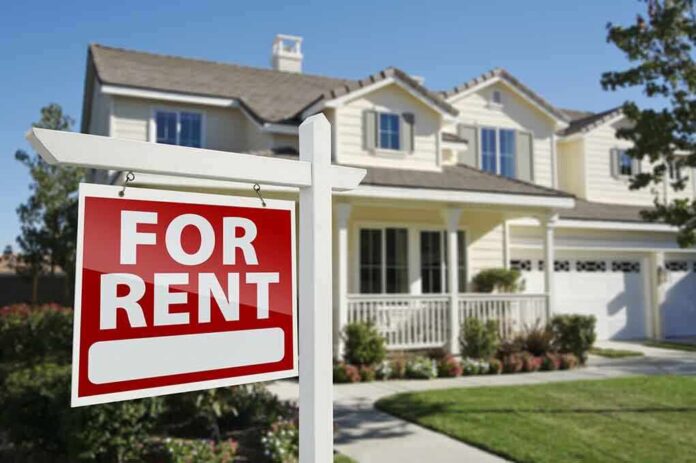
Apartment listing scams are surging in 2025, costing everyday Americans $600,000 and exposing the dangers of unchecked digital fraud that thrive after years of leftist neglect.
Story Snapshot
- Rental scams hit record highs in 2025, with $600,000 lost as fraudsters exploit online platforms and desperate renters.
- FBI issues warnings and tracks complaints, highlighting failures in previous consumer protections and platform oversight.
- Scammers use real listings and social media to appear legitimate, targeting Americans seeking affordable housing.
- The crisis sparks calls for stricter accountability for online platforms and major reforms to protect families.
Rental Scams Explode as Market Pressures Mount
In 2025, American renters face a perfect storm: record-high demand, low supply, and rising costs, driving millions online to search for affordable housing. Scammers, emboldened by years of loose oversight and weak platform accountability, now use legitimate-looking listings and artificially low rents to lure trusting families into costly traps. Victims, often pressured by the urgent need for shelter, lose thousands in application fees and deposits, only to discover the property never existed or was never available. The FBI has documented a sharp uptick in these scams, with $600,000 lost and over 130 complaints linked directly to social media-driven fraud.
Authorities warn that the scale and sophistication of these scams are unprecedented. Fake agents now leverage deepfake videos, stolen profiles, and spoofed credentials to fool even skeptical renters. Many scams begin on platforms like Craigslist, Zillow, and Facebook Marketplace, where verification remains weak despite years of warnings. Law enforcement agencies, including the FBI, have intensified investigations, but digital anonymity and jurisdictional barriers make prosecution difficult. This crisis is not just financial—it’s emotional, leaving families without homes and eroding trust in the very platforms millions rely on for shelter.
Online Platforms Under Fire for Lax Oversight
Online rental platforms, once hailed for convenience, now face growing scrutiny as scam losses mount. Despite repeated calls for reform, verification standards remain inconsistent and often ineffective. Scammers easily copy legitimate listings, swap out contact details, and offer below-market rents to attract desperate renters. The platforms’ inability to police listings at scale has created fertile ground for fraud, undermining consumer trust and exposing systemic weaknesses. Industry experts and consumer advocates are renewing demands for robust reporting mechanisms, better identity checks, and transparent enforcement policies to protect users—especially vulnerable families and seniors.
Multifamily housing operators also feel the impact, facing reputational risks and rising operational costs to prevent fraud. The crisis puts pressure on platform owners to invest in new verification technologies and collaborate with law enforcement. But legislative inertia and fragmented oversight slow meaningful change, leaving renters exposed. The legacy of past administrations—marked by regulatory laxity and a preference for globalist tech interests over American families—has contributed to the current vulnerability. Without swift reform, the erosion of trust in online housing markets threatens long-term stability and security for millions.
Law Enforcement and Policy Responses: What’s Next for Renters?
Federal authorities, led by the FBI, are responding with public warnings, urging renters to verify listings, avoid upfront payments, and report suspicious activity. Investigations are ongoing, but the sheer volume of digital fraud poses a daunting challenge. The crisis has reignited calls for stronger legal protections, industry standards, and platform accountability—core conservative principles that prioritize the safety and stability of American families. Experts highlight the need for education and vigilance: renters must demand in-person verification, scrutinize offers that seem too good to be true, and leverage reporting tools to fight back against scammers.
The broader impact is significant: financial losses aggregate to millions, increasing homelessness and displacement among the most vulnerable. Political pressure mounts on regulators to enforce meaningful consumer protections and on platforms to invest in fraud prevention. For many, this crisis is a wake-up call—a stark reminder that unchecked digital agendas and government overreach erode trust and security. Real reform requires restoring accountability, prioritizing American values, and protecting families from the devastating consequences of online fraud.
Sources:
The $1,000 House Hunt Nightmare: How Rental Scams Are Destroying Dreams and Bank Accounts in 2025
Multifamily: Protecting NOI from Fraud and Scams
New warning issued over apartment listings as renters lose $600K
Apartment scams surge as renters lose $600K via social media