When the Pentagon’s press corps walked out in lockstep, surrendering badges to protest a new access policy, they triggered a showdown that could redefine American press freedom in military affairs.
Story Highlights
- Dozens of Pentagon journalists staged a rare, unified walkout over new media restrictions.
- Pete Hegseth’s policy drew instant backlash for limiting unscheduled briefings and imposing stricter credentialing.
- Media organizations and lawmakers swiftly condemned the move, citing risks to transparency and accountability.
- The fallout sets a precedent for collective action defending press access in sensitive national security environments.
Journalists Challenge Pentagon Policy in Unprecedented Way
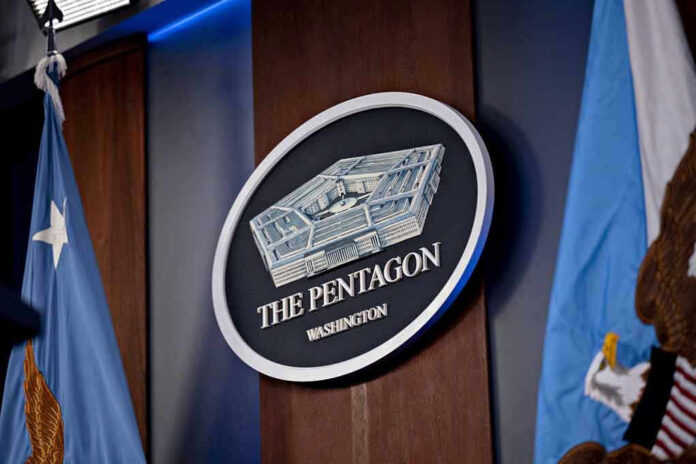
On October 16, 2025, the Pentagon press corps took a stand rarely seen in Washington’s power corridors. As one, they turned in their press badges at the Pentagon’s main office, walked out the door, and released a joint statement condemning the new media access policy imposed by spokesperson Pete Hegseth. The move rattled not only Pentagon officials but also the broader community of journalists who cover national security. This protest, coordinated over days of internal discussions, was not a spontaneous flare-up—it was a calculated response to what reporters described as an existential threat to their ability to hold military leadership to account.
Hegseth’s policy, announced days earlier, imposed strict controls on unscheduled interviews and limited access to critical briefings. Journalists who had spent years cultivating sources within defense circles suddenly found themselves shut out. The badge surrender was more than symbolic; it stripped major outlets—including AP, Reuters, NYT, CNN, and BBC—of their direct access to the Pentagon at a moment when defense issues were under heightened scrutiny. The joint statement emphasized the public’s right to know, framing the walkout as a defense of transparency rather than a challenge to security protocols.
Why the Walkout Resonates Beyond the Pentagon
The implications of this collective action ripple far beyond Pentagon walls. For decades, press access at the Department of Defense has been a cornerstone of democratic oversight, ensuring that citizens receive timely and accurate information on military operations, spending, and leadership decisions. The walkout disrupts routine coverage, making it harder for the public to understand decisions that could affect national security and foreign policy. The move drew praise from journalism organizations, including the Society of Professional Journalists and the Reporters Committee for Freedom of the Press, both of which issued statements condemning the restrictive policy and applauding the unity of the press corps.
Lawmakers on Armed Services Committees quickly weighed in, warning that curtailing press access could undermine public trust and accountability. Congressional hearings were proposed within a day of the walkout to investigate the impact of the new policy. Editorials from major newspapers called the move a “landmark moment” for press freedom, arguing that without robust access, the public is left in the dark. The Pentagon, meanwhile, defended the policy as necessary for operational security and message discipline, claiming that transparency remains a priority—but not at the expense of national defense.
🇺🇸 PRESS BADGES DOWN: REPORTERS WALK OUT OF THE PENTAGON
The world’s most powerful military just picked a fight with the Fourth Estate.
Dozens of journalists – from CNN to The Guardian to Fox News – turned in their Pentagon press badges and walked out after new rules demanded… https://t.co/UcLUfXy7ey pic.twitter.com/VK66cmDpJ2
— Mario Nawfal (@MarioNawfal) October 16, 2025
Historical Context: How Past Precedents Shape the Present
Collective action of this scale is virtually unprecedented in the history of Pentagon-media relations. Past tensions between defense officials and journalists have led to isolated incidents—such as credential revocations during the Trump administration and challenges during the Vietnam War era—but never a coordinated walkout by the entire press corps. Experts at the Columbia Journalism Review and the Brookings Institution argue that such actions signal a new willingness among journalists to confront policies perceived as undermining democratic oversight. Academic research from Harvard Kennedy School supports this, showing that press access is essential for informed public debate in national security contexts.
Hegseth’s appointment as Pentagon spokesperson earlier in 2025, given his background as a Fox News contributor and Army veteran, already signaled a possible shift toward tighter message control. The new policy, with its restrictions and credentialing demands, confirmed those fears for many in the press. In response, journalists and media organizations are negotiating with Pentagon officials, seeking a reversal or modification of the policy. The outcome may hinge on sustained public and political pressure, as well as the willingness of both sides to compromise.
What’s Next: The Battle for Press Freedom in Military Reporting
The walkout’s immediate effects are tangible: reduced media coverage at the Pentagon, increased scrutiny of its communications, and a surge in debate over the boundaries of press freedom. The long-term consequences, however, remain uncertain. If the press corps succeeds in forcing a reversal, it could set a precedent for collective journalist action at other government agencies. If not, it may embolden further restrictions and deepen the politicization of military-media relations. Journalists, Pentagon officials, lawmakers, and the American public are now engaged in a high-stakes negotiation over the future of transparency and accountability in defense reporting.
The story is far from over. Negotiations continue behind closed doors, and Congress is poised to step in. The Pentagon press corps, united and resolute, has made clear that the battle for access is not just about their jobs—it’s about the public’s right to know what its government is doing in the name of national security.
Sources:
Associated Press (AP), “Pentagon Press Corps Walks Out Over New Media Policy,” October 16, 2025
Reuters, “Journalists Protest Pentagon Media Restrictions,” October 16, 2025
New York Times, “Pentagon Faces Backlash Over Press Access Policy,” October 17, 2025
Washington Post, “Press Freedom at Risk: Pentagon Journalists Stage Walkout,” October 17, 2025