A murder suspect accused of killing a Homeland Security employee in a seemingly random Atlanta-area spree died in jail before investigators could pin down a motive—leaving families and the public with the same unanswered questions.
Quick Take
- DeKalb County investigators say Olaolukitan Adon Abel, accused in a three-victim attack spree, was found unresponsive in his jail cell and pronounced dead on April 20.
- Authorities have reported no indication of foul play so far, but the medical examiner’s ruling is still pending.
- The attacks spanned multiple locations and victims, including DHS employee Lauren Bullis, intensifying national scrutiny and fear in the Atlanta suburbs.
- Abel’s 2022 naturalization and prior criminal history have become central to the political debate over vetting standards and enforcement priorities.
Suspect’s Jail Death Ends the Case—but Not the Questions
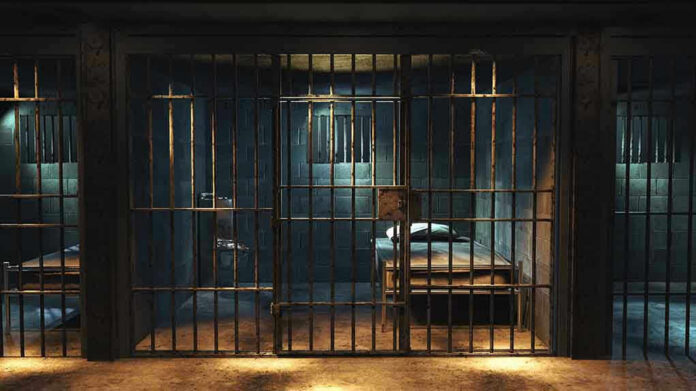
DeKalb County authorities say Abel, 26, was found unresponsive inside the county jail on the evening of April 20 and pronounced dead roughly 30 minutes later, after lifesaving efforts failed. Officials have said there was no indication of criminal activity or foul play at the outset, while an internal review and a medical examiner investigation continue. With Abel dead, the courtroom process that typically forces facts into public view may never happen.
That gap matters because the alleged crimes were severe and unsettling: a fast-moving series of shootings and a stabbing that appeared to target strangers in everyday places. When a suspect dies in custody, the public is left relying on partial investigative summaries rather than sworn testimony, cross-examination, and evidence tested in open court. For Americans already skeptical of institutions, that’s gasoline on the fire—regardless of whether the underlying death turns out to be natural, self-inflicted, or something else.
A Timeline of Random Violence Across DeKalb and Brookhaven
Investigators say the spree began on the evening of April 13 at a Checkers on Wesley Chapel Road, where 31-year-old Prianna (also reported as Priyanna) Weathers was shot and killed. About an hour later, a homeless man, 49-year-old Tony Mathews, was shot outside a Kroger in Brookhaven and initially survived with critical injuries. Early the next morning, April 14, DHS employee Lauren Bullis, 40, was shot and stabbed while walking her dog on Battle Forest Drive.
Law enforcement later tracked Abel through vehicle information and license plate recognition technology and arrested him in Troup County, according to reporting. As victims’ conditions changed, the case escalated: Mathews died on April 19, adding a third murder count. The pattern—different locations, different victims, and no publicly confirmed connection between them—fed the perception of “random” violence, the kind that shakes confidence in basic public safety because it appears unpredictable and unpreventable.
Naturalization, Prior Arrests, and a Vetting Debate Reignited
Reporting identifies Abel as UK-born and naturalized as a U.S. citizen in 2022 while serving in the U.S. Navy in San Diego. Sources also describe prior arrests and convictions, including a sexual battery case in Chatham County that resulted in jail time and probation and included a mental health evaluation requirement, plus other alleged offenses such as assault and obstruction. Those background details have driven calls to review how “good moral character” standards are applied in practice, especially when criminal histories exist.
DHS leadership has publicly tied the case to broader concerns about the integrity of federal screening systems, arguing that policy choices made during the prior administration contributed to the outcome and contrasting that with later reforms. The available reporting does not resolve the core factual question many citizens will ask: how those prior incidents were weighed during naturalization and what information was available to decision-makers at the time. Without a trial and with limited documentation publicized so far, that debate risks becoming more partisan than evidentiary.
Federal Gun Charges Continue as the Motive Mystery Deepens
Although Abel’s death ends prosecution against him, reporting indicates related federal firearms charges remain relevant through an alleged intermediary—described as a homeless man who supplied the gun—creating a separate legal track that could still surface meaningful facts. The suspect’s death also freezes the motive question in place. Investigators and families typically look to interrogations, digital evidence, and mental health evaluations to understand whether an attacker acted out of ideology, personal crisis, grievance, or impairment.
DeKalb County Jail Suspect – the Biden-Naturalized UK National Accused of Brutally Murdering DHS Employee and Two Others in Random Shooting Spree – FOUND DEAD in His Cell | The Gateway Pundit | by Jim Hᴏft https://t.co/KJem2dVypi
— Mark Locklear (@MarkWLocklear) April 22, 2026
That uncertainty lands in a politically charged moment. Conservatives often see failures of vetting, enforcement, and public safety policy as proof that elites protect systems rather than citizens; liberals often worry that enforcement-driven responses can trample civil liberties or stigmatize broad groups. The hard reality in this case is simpler and grim: three people are dead, a suspect is dead, and the public may never hear a complete narrative vetted in court. Trust will hinge on transparent findings from the medical examiner and the jail’s internal review.
Sources:
New details emerge on suspect, victim in DeKalb attacks
Man accused of killing DHS employee, two others in Atlanta-area shooting spree dies in jail