Ghislaine Maxwell’s last-ditch effort to overturn her sex-trafficking convictions hinges on a controversial agreement signed nearly two decades ago.
At a Glance
- Ghislaine Maxwell petitions the Supreme Court to overturn her conviction based on a 2007 non-prosecution agreement.
- The agreement, signed by Jeffrey Epstein, allegedly extends immunity to co-conspirators like Maxwell.
- The Department of Justice argues the agreement is limited to the Southern District of Florida.
- This case could redefine the scope and reach of federal non-prosecution agreements.
Maxwell’s Supreme Court Appeal
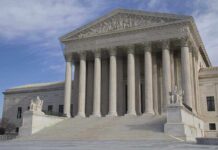
Ghislaine Maxwell has appealed to the U.S. Supreme Court to overturn her sex-trafficking convictions, citing a 2007 non-prosecution agreement (NPA) signed by Jeffrey Epstein. This agreement, made with federal prosecutors, purportedly extended immunity to Epstein’s co-conspirators, including Maxwell. Her legal team argues the agreement should have protected her from prosecution in New York, where she was convicted in 2021.
🚨 𝗚𝗵𝗶𝘀𝗹𝗮𝗶𝗻𝗲 𝗠𝗮𝘅𝘄𝗲𝗹𝗹 𝗔𝘀𝗸𝘀 𝗦𝘂𝗽𝗿𝗲𝗺𝗲 𝗖𝗼𝘂𝗿𝘁 𝘁𝗼 𝗧𝗼𝘀𝘀 𝗛𝗲𝗿 𝗦𝗲𝘅-𝗧𝗿𝗮𝗳𝗳𝗶𝗰𝗸𝗶𝗻𝗴 𝗖𝗼𝗻𝘃𝗶𝗰𝘁𝗶𝗼𝗻𝘀
Read more 👇https://t.co/iAnHZV2bgV
— The Epoch Times (@EpochTimes) July 30, 2025
The Department of Justice opposes Maxwell’s interpretation, asserting the NPA was limited to the Southern District of Florida and did not extend to other jurisdictions or unnamed co-conspirators like Maxwell. This legal battle raises critical questions about the geographical and personal scope of such agreements and their influence on prosecutorial discretion.
The Legal Debate
At the core of Maxwell’s appeal is whether the 2007 NPA, negotiated in Florida, legally binds federal prosecutors in other jurisdictions. The agreement, heavily criticized for its leniency, allowed Epstein to avoid federal prosecution by pleading guilty to lesser state charges. Maxwell’s defense claims that this agreement should have shielded her from prosecution anywhere in the U.S.
The DOJ maintains that non-prosecution agreements typically bind only the jurisdictions in which they are negotiated, unless explicitly stated otherwise. They argue that extending immunity to unnamed third parties in other jurisdictions is implausible and contrary to established law. Legal experts generally support this interpretation, emphasizing the importance of maintaining prosecutorial discretion and the integrity of the justice system.
Implications and Impact
The Supreme Court’s decision on Maxwell’s appeal could have far-reaching implications for the interpretation of non-prosecution agreements. A ruling in Maxwell’s favor might undermine prosecutorial authority and encourage broader, less transparent plea deals. On the other hand, it could prompt legislative reforms to ensure greater oversight and transparency in federal plea agreements.
Victims of Epstein and Maxwell’s crimes, advocacy groups, and the broader public are closely watching this case, which has sparked ongoing debates about accountability for sexual abuse and the power of wealthy defendants. The outcome may influence future policy changes within the Department of Justice, particularly regarding victims’ rights and prosecutorial transparency.
Congressional and Public Interest
Maxwell’s case continues to attract significant political and public interest. The House Oversight Committee has subpoenaed her for a deposition, indicating ongoing efforts to uncover more information about the Epstein case and prosecutorial decisions. Maxwell, however, is demanding immunity or a pardon before testifying, adding another layer of complexity to this high-profile saga.
Congressional hearings could potentially reveal new insights into the Epstein scandal, shedding light on how such cases are handled and the influence of wealthy individuals on the justice system. These hearings may also pave the way for potential legislative actions aimed at improving transparency and accountability in similar cases.