A violent parolee with a history of shooting at police was released from a psychiatric hospital just three days before unleashing a hail of bullets on Cambridge traffic, raising alarms about failed mental health and parole oversight in liberal Massachusetts.[2][3]
Story Snapshot
- Tyler Brown, 46, fired dozens of rounds on Memorial Drive, injuring two with life-threatening wounds before a state trooper and Marine veteran stopped him.[2]
- Brown left McLean Hospital in Belmont on Friday after treatment for post-traumatic stress disorder, anxiety, and depression—just days before Monday’s rampage.[1][2]
- Hours prior, Brown waved a semi-automatic rifle on FaceTime to his parole officer, confessed relapse and suicidal thoughts, and threatened “these people are gonna f—ing pay.”[1][2]
- Paroled in May 2025 after serving only three-and-a-half years of a 5-6 year sentence for a 2020 police shootout, despite prosecutors seeking 10-12 years.[3]
Shooting Details and Immediate Aftermath
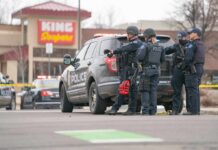
Tyler Brown walked along Memorial Drive in Cambridge on Monday afternoon, firing a semi-automatic rifle at passing cars, people, and officers. The attack injured two men with life-threatening injuries and sent bullets into nearby apartments. A Massachusetts State Police trooper and a United States Marine Corps veteran intervened, shooting Brown to end the threat. Authorities recovered over 60 spent casings from the scene.[1][2]
Brown’s actions terrorized drivers stuck in traffic. Witnesses described chaotic scenes with vehicles damaged and residents fleeing. The Marine veteran, positioned nearby, returned fire alongside the trooper, actions credited with preventing further casualties.[2]
Cambridge shooter Tyler Brown had been released from psychiatric care at McLean Hospital before he randomly fired at cars yesterday along Memorial Drive near Boston, according to court documents.
Brown, 46, was suspected of doing drugs again and was suicidal, his parole officer…— J.M. Lawrence (@BostonReportah) May 12, 2026
Recent Psychiatric Release Sparks Concerns
Court documents reveal Brown exited McLean Hospital in Belmont on Friday, three days before the shooting. The facility treated him for post-traumatic stress disorder, anxiety, and depression. No public details explain the discharge decision despite his violent history and ongoing parole status. This rapid release followed a pattern of leniency in Massachusetts.[1][2][3]
A roommate reported Brown was “off his rocker” and high from the night before. These red flags emerged hours before the rampage, underscoring potential lapses in post-discharge monitoring.[1][2]
Parole Officer’s Dire Warnings Ignored
At noon Monday, Brown’s parole officer called after sensing distress. Brown admitted relapse, expressed readiness to end his life, and waved the rifle on FaceTime. He declared “these people are gonna f—ing pay,” claimed past uncaught murders, and rejected return to prison. The officer called 911 and raced to the scene.[1][2]
Police traced Brown’s phone to Memorial Drive at 1:21 p.m. via U.S. Secret Service assistance. Gunfire began shortly after, before full containment. A second FaceTime showed Brown adopting a “shooter name,” still brandishing the weapon under apparent drug influence.[1][2]
Criminal History and Lenient Sentencing
Brown gained parole from MCI Shirley prison in May 2025 after serving three-and-a-half years. The Parole Board rated him medium risk but noted remorse, program completion, and Tufts University enrollment. Conditions included electronic monitoring.[3]
His sentence stemmed from a 2020 shootout with Boston police. Then-Suffolk County District Attorney Rachael Rollins sought 10-12 years, citing recidivism fears. Judge Janet Sanders imposed 5-6 years over objections, a decision now under scrutiny.[3]
The board’s March 2025 hearing acknowledged Brown’s mental health issues and past THC use but approved release. Critics question if medication compliance justified freedom for someone soon waving rifles and plotting violence.[3]
Broader Implications for Public Safety
This incident highlights failures in Massachusetts’ mental health and parole systems, where soft-on-crime policies prevail. Despite warnings from prosecutors and police, Brown roamed free with access to firearms. President Trump’s administration pushes tougher standards nationwide, contrasting liberal states’ revolving-door justice that endangers families.[1][2][3]
Conservatives demand accountability: Why no holds after FaceTime threats? How did a parolee reacquire a rifle? Victims’ families await answers amid stalled reforms like House Bill 1656. True safety requires prioritizing citizens over catch-and-release for the violent.[2][3]
Sources:
[1] Web – Shooting suspect released from hospital days before …
[2] Web – Alleged Cambridge gunman was released from psychiatric …
[3] Web – Alleged Cambridge gunman was released from psychiatric hospital …