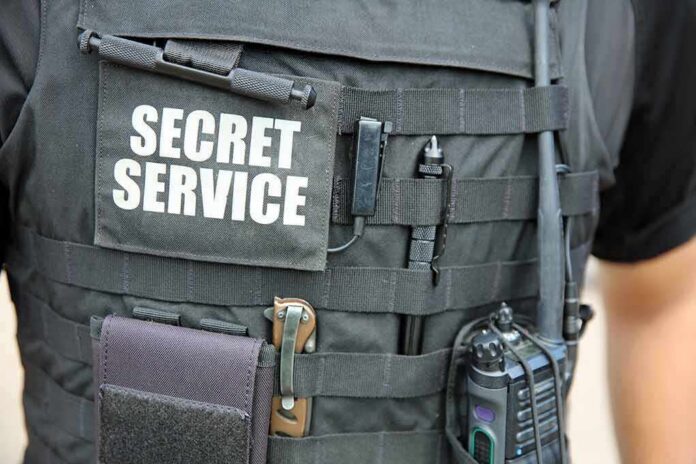
An official watchdog says more than 100 local radio warnings about a suspicious man never reached Secret Service ears before shots were fired in Butler, Pennsylvania.
Story Snapshot
- A Homeland Security watchdog found 102 local radio calls never reached the Secret Service before the attack.
- A Secret Service report admits split communications and missed radio sharing at the site.
- Newly released FBI notes mention early reports of a suspicious man before the shooting.
- Senate and House probes say failures were preventable and demand stronger discipline.
What the New Records Show About Missed Warnings
The Department of Homeland Security’s inspector general said local officers made 102 radio transmissions about a suspicious man before the shooting, but the Secret Service did not receive them because there was no joint communications room linking systems. The Secret Service’s own after-action review said local partners wrongly assumed the agency could hear their radio traffic. That false belief left gaps at the worst time, when minutes and even seconds mattered to stop a shooter.
FBI interview notes obtained through public records add detail to the timeline. A Federal Bureau of Investigation form, known as an FD-302, recorded that reports of a suspicious male came over the radio before the gunfire. The notes cited a gray “Demolition Ranch” shirt, bags, and the suspect looking toward a sniper position. Heavy redactions limit who said what and when, but the document shows warnings existed in real time on scene.
How Split Radios Broke the Safety Net
The Secret Service review described two separate centers at the fairgrounds: a federal Security Room and a local command post. Some local police did not know the Service could not hear their channel. That gap meant federal teams did not get a shared lookout or the suspect’s description. The Associated Press quoted the report saying the failure to broadcast the assailant’s description to all federal personnel “inhibited” overall awareness across teams at the site.
Congressional work has flagged basic steps that were missed. A House task force said it found no proof that a warning about a gun reached the protective detail before the first shots, which narrows the dispute to how communications broke down, not whether warnings were spoken at all. A Senate review later called for tougher discipline after finding “multiple, unacceptable failures” in planning and response, reinforcing that the problem was structural, not a one-off fluke.
The Radio Chain That Never Linked
Local officials have said their officers broadcast a warning on a blanket tactical channel. That account fits the watchdog finding that local messages existed but did not flow to federal teams. The inspector general summary also reported the Secret Service communications room got only a handful of calls and texts before the attack, underscoring how little cross-traffic moved through confirmed federal nodes that day.
WATCH: No Elitist Media evening newscast covered the explosive new details on the 2024 assassination attempt against President Trump in Butler, PA. NBC's @TODAYshow did cover it.
STEPHANIE GOSK: This morning, a clearer picture is emerging of the young gunman who nearly… pic.twitter.com/qeC9NrFRAp
— Jorge Bonilla (@BonillaJL) September 17, 2026
Earlier reporting pointed to on-site basics, like radio pickup. A congressional summary described a local commander who reminded Secret Service counter-sniper teams to collect designated radios, but the teams allegedly did not retrieve them. That detail suggests preventable friction at the equipment level, not just at command level. Small misses can cascade when agencies use different systems and do not run a live, shared channel during a fast-moving threat.
Why This Matters Beyond One Rally
Independent panels, agency reports, and media accounts now align on a core point: fragmented communications and unclear roles left the safety net full of holes. The central question has shifted from “Did someone warn?” to “Did the right people hear it in time?” That distinction matters for accountability. It points to planning, radio interoperability, and command culture, not only to individual error or to theory. Fixes require shared channels, joint rooms, and strict radio discipline.
What Would Close the Gaps Now
Several steps would turn lessons into practice. A single joint communications room with mirrored feeds would keep all sides in sync. Mandatory radio pickup with roll-call checks would confirm every team is on the net. A site-wide “all-call” protocol for suspect descriptions would cut delay. A unified timeline from dispatch audio, body cameras, and command logs could lock in the truth and guide training. These are basic, measurable changes that serve any protectee, regardless of party.
Sources:
youtube.com, 6abc.com, judicialwatch.org, ap.org, cnn.com, bbc.com, judiciary.senate.gov, apnews.com, secretservice.gov
© patriotpostnews.com 2026. All rights reserved.