
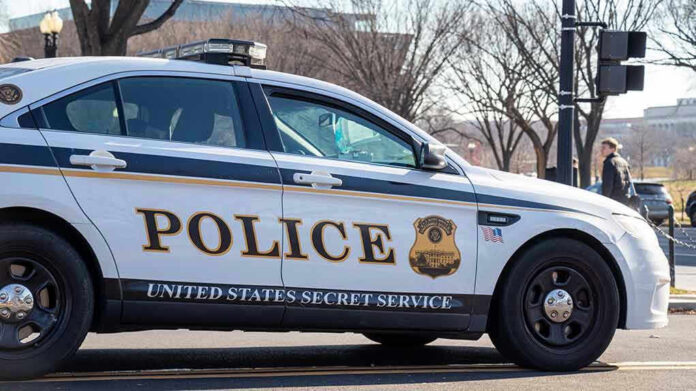
On the anniversary of 9/11 and just one day after the shocking assassination of conservative activist Charlie Kirk, the Democratic National Committee headquarters was locked down over a bomb threat, exposing the deep anxiety and security tensions now gripping America’s political landscape.
Story Snapshot
- DNC headquarters in Washington, D.C. was locked down due to a bomb threat.
- No explosive device was found, but the incident followed the assassination of Charlie Kirk and occurred on the 24th anniversary of 9/11.
- Capitol Police responded swiftly, with a robust and highly visible security operation before declaring the threat not credible.
- The event heightened public anxiety and renewed debate about political violence, security, and the state of national unity.
Bomb Threat at DNC HQ Amid National Tensions
The Democratic National Committee (DNC) headquarters in Washington, D.C. was abruptly locked down after a bomb threat was phoned in, triggering an immediate and forceful response by U.S. Capitol Police. The lockdown and sweeping security measures followed just hours after the political assassination of conservative commentator Charlie Kirk in Utah and coincided with the 24th anniversary of the September 11 attacks. Despite the eventual determination that the threat was not credible, the incident amplified a sense of unease and division across the nation.
The timing of the lockdown—so closely following a targeted killing of a high-profile conservative voice—underscored the reality that political violence and threats are on the rise. The DNC headquarters, a frequent target due to its prominence, became a flashpoint for public anxiety, as streets were sealed and the building was swept for explosives. Although no device was found, the heavy police presence and swift area shutdown reflected elevated alert levels, not only in the nation’s capital but throughout the political establishment.
Security Protocols and Political Fallout
The robust security response was shaped by recent history: the Capitol riot of January 6, 2021, and repeated threats at political offices have forced law enforcement to adopt a zero-tolerance approach. DNC Chair Ken Martin and party spokespeople quickly addressed the public, emphasizing a strong stance against political violence and the need for caution. Capitol Police, for their part, maintained operational control and communicated that no credible threat remained after the sweep. The incident, however, disrupted DNC operations and brought renewed scrutiny to the effectiveness—and potential overreach—of federal security measures surrounding political institutions.
The lockdown’s ripple effects extended beyond those inside the building. DNC staff, visitors, and the broader Washington, D.C. community experienced heightened anxiety amid an already tense political climate. The proximity to the Kirk assassination, combined with the symbolic weight of 9/11, fueled speculation and sharpened existing partisan divides. For many conservatives, the episode served as a reminder of the ongoing challenges to national unity and the importance of robust security measures to protect public officials and the integrity of the political process.
Implications for Political Stability and Public Confidence
In the short term, the bomb threat and lockdown caused operational disruptions and deepened fears among those working at the DNC and nearby. Longer-term, the event is likely to prompt a review of security protocols at all major political headquarters, potentially leading to increased security costs and a more militarized atmosphere in the heart of American democracy. The incident also reinforced concerns about political violence and the potential for so-called “copycat” threats, as noted by political analysts and security experts.
On a broader scale, the episode highlights a society grappling with the psychological toll of ongoing political polarization and violence. Scholars of political behavior warn that even non-credible threats can erode public trust in democratic institutions and discourage civic participation. Some commentators argue that robust law enforcement responses are essential in a volatile environment, while others caution that repeated overreaction could desensitize the public and undermine confidence in the system. For Americans who value order, individual liberty, and the Constitution, the challenge remains balancing vigilance and restraint while defending the core principles that define the nation.
Sources:
Democratic National Committee Headquarters Locked Down After Bomb Threat
Capitol Police respond to non-credible bomb threat at DNC HQ