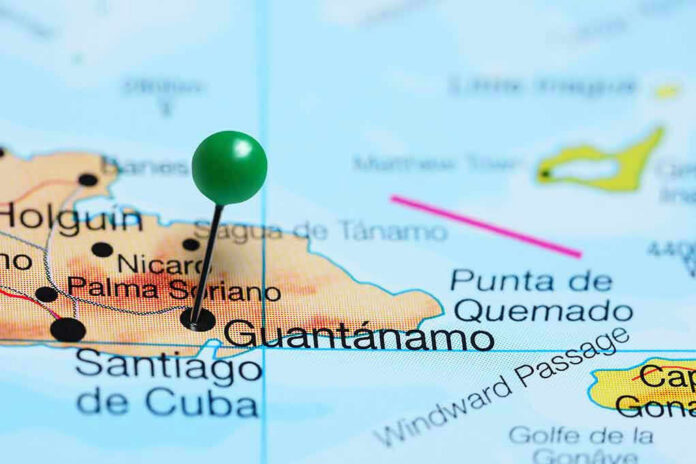
Cuba’s rulers are betting that more markets can rescue a system they spent decades tightening.
Quick Take
- Lawmakers approved nearly 200 free-market reforms as the island faces deep economic strain.[1]
- Prime Minister Manuel Marrero said the package includes 176 measures to reduce the state’s role.[1]
- The plan opens more space for private business, foreign investment, and ownership stakes in state firms.[1][3]
- Past reform efforts show Cuba has moved before, but the state still keeps tight control.[4][6]
State Control Meets Economic Reality
Cuban lawmakers adopted nearly 200 free-market reforms as the Communist-run island faces a severe crisis.[1] Prime Minister Manuel Marrero told the National Assembly that 176 measures would roll back the state’s role in the economy and draw money into banking, tourism, and agriculture.[1] The move matters because it shows how far the government has drifted from its old model, even while it insists the socialist system remains intact.[3]
The package gives private and foreign players more room than Cuba has allowed in years.[1][2] Foreign investors would no longer need state joint ventures, large private enterprises would be allowed, and Cubans and foreigners could buy stakes in state companies.[1][3] Reporting also says private companies with more than 100 workers would be allowed, Cuban nationals could hold foreign currency accounts, and remittances would no longer pass only through the state.[2] Those changes are a direct break from rigid central planning.
Why Havana Is Moving Now
The timing reflects pressure, not confidence. Cuba’s economy has been battered by shortages, inflation, and energy stress, and officials have blamed outside pressure, including United States sanctions and an oil blockade.[1][2][3] One report said the Communist Party approved the package before lawmakers were scheduled to act, while describing it as opening more sectors to private investment.[3] The government’s message is clear: the old system is failing, and the state now needs private capital to keep the lights on.
That reality should not be ignored by readers who have watched other socialist systems make similar promises. Cuba has been “updating” its economic model since Raúl Castro took office in 2008, yet Brookings still said state ownership and central planning remained dominant.[4] Earlier reforms expanded self-employment, cooperatives, and foreign investment, but later analysis said much still remained to be done.[4] The pattern is familiar: the government loosens control only when the old controls stop working.
What the Reforms Could Mean
The new rules could help ordinary Cubans in practical ways if officials actually follow through. Reporting says farmers would gain more freedom to use foreign currency and import raw materials without state middlemen, while the government would cut some price controls and reduce duplicate state structures.[5] Those steps may sound small, but they matter in a country where the state has long decided who may earn, sell, and keep wealth. Any real gain will depend on whether Havana keeps easing restrictions or reverses course.
Looks like #Cuba saw what happened to Venezuela and Iran and chose to reform their country with free-market policies. https://t.co/YDth67ZlPn
— James Anderson | FIRE Acceleration (@JamesAnderson88) June 19, 2026
Still, the record offers a warning. Reuters reported that Cuban economists have said earlier market reforms were not enough to spark strong growth.[11] Brookings also noted that the private sector kept facing heavy restrictions even after earlier openings.[4][6] That is the core question now: will Cuba finally trust markets, property rights, and private initiative, or will it keep using free-market language while preserving the same top-down system that helped create the crisis in the first place?
Sources:
[1] Web – Cuba approves free-market reforms in effort to stave off economic …
[2] Web – Cuba approves free-market reforms in effort to stave off economic …
[3] Web – Cuba unveils 200 historic free-market reforms amid economic pressure …
[4] Web – Cuba approves economic reforms amid US pressure
[5] Web – Cuba adopts historic package of free-market reforms
[6] Web – Cuba passes market-friendly market reforms amid U.S. pressure
[11] Web – Cuba’s Economic Change in Comparative Perspective E D ITE D BY
© patriotpostnews.com 2026. All rights reserved.