Florida just slammed the college door on undocumented students, raising hard questions about who public education is really for and who gets left behind.
Story Snapshot
- Florida’s State Board of Education voted to ban undocumented students from the 28 public colleges and adult education programs.
- The new rule requires applicants to prove they are citizens or “lawfully present” in the United States before enrolling.
- Advocates warn colleges could lose about $15 million a year in tuition and fees and thousands of students will be shut out.
- Florida’s public universities are moving toward a similar ban, making the state a test case for how far government can go in policing access to higher education.
Florida’s New Ban: What Exactly Was Just Approved?
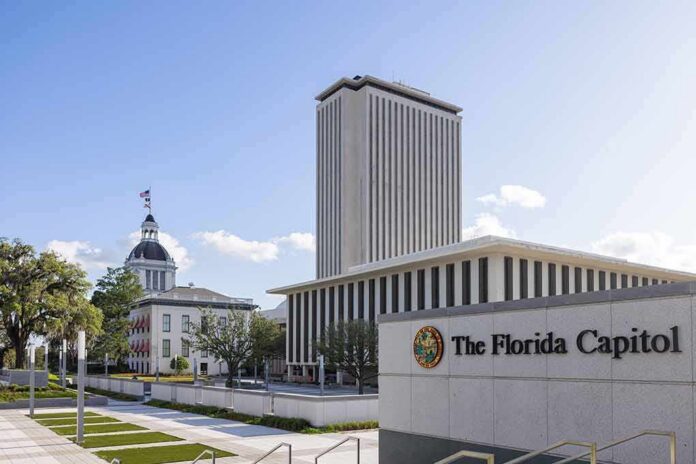
Florida’s State Board of Education has approved a rule that bars undocumented students from attending the state’s 28 public colleges, closing off a major path to higher education for tens of thousands of young people. The rule also extends to adult education programs, including classes that help people earn a high school equivalency diploma. That means many undocumented residents will lose access not only to college degrees, but also to basic adult learning programs that can lead to better jobs.
Under the rule, each college board of trustees must make sure every student admitted is either a United States citizen or “lawfully present” in the country, following federal immigration definitions. Applicants will have to attest to their status and then provide “clear and convincing” documentation before they can enroll. Colleges are being told to build new systems to verify these documents, adding a layer of bureaucracy to the admissions process that did not exist before.
Lawful Presence, State Resources, and a Growing Crackdown
Florida officials say the policy is about enforcing lawful presence and protecting state resources for citizens and legal residents, echoing arguments used in other states that have restricted access for undocumented students. In recent years, Florida lawmakers had already removed in-state tuition for undocumented students, forcing them to pay much higher out-of-state rates or drop out entirely. This new move goes further, shifting from “pay more” to “do not enroll at all,” and it comes as part of a wider push to match tough federal immigration priorities.
Supporters of these rules often claim they save taxpayers money and keep seats open for citizens, but available estimates suggest the college system itself may lose about $15 million a year in tuition and fees because of the ban. Those losses could lead to higher costs for other students or cuts to programs that serve the broader community. Some legal experts and policy groups also question whether the Florida Department of Education has clear legal authority from the legislature to impose such sweeping limits on who may attend public colleges.
Impact on Students, Colleges, and the American Dream
Advocates estimate Florida had around 50,000 undocumented students in 2023, many of whom saw public colleges as their only realistic route to a degree and a better-paying job. These students already could not receive federal financial aid and often worked full time while studying, yet they still managed to enroll and contribute tuition revenue to the system. Now, many of them will face a hard stop, with no option to continue in the state system once the rule fully takes effect, even if they grew up in Florida schools and have strong academic records.
College leaders and immigrant rights groups warn that shutting out undocumented students will not make them disappear; it will simply push them into low-wage work, informal schooling, or out-of-state options if they can afford to leave. Research on other states that created similar bans shows that institutions often see a drop in enrollment and revenue, while communities lose educated workers who could fill needed jobs. For both conservatives and liberals who worry the system already favors well-connected elites, this fight raises a deeper concern: is the government using education policy to score political points instead of helping people climb into the middle class through hard work and study?
Universities Next, Legal Fights Ahead, and Shared Frustration
Florida’s separate public university system is moving toward its own rule that would block undocumented students from enrolling at competitive campuses such as the University of Florida and Florida State University starting in the 2027–28 academic year. That proposal would apply to schools that do not accept all qualified applicants, making the ban hit the very institutions most tied to upward mobility and professional careers. If approved, the college and university rules together would largely close Florida’s public higher education system to undocumented students statewide.
“Exploring all options”: Advocates vow to fight Florida state college ban on undocumented students https://t.co/mYhLLSmf16 pic.twitter.com/hCldXC9xBI
— WFTV Channel 9 (@WFTV) July 4, 2026
Advocacy groups, civil rights organizations, and some legislators are preparing legal and administrative challenges, arguing the rules conflict with state constitutional guarantees and bypass the legislature’s role. They also point out that federal guidance does not require states to block undocumented students from college, and in fact allows states to offer in-state tuition if they treat similar United States citizens the same way. As both sides dig in, many ordinary Floridians on the right and left share a common worry: instead of fixing broken immigration laws or improving schools, leaders are using young people’s futures as a battleground in a larger political war, deepening the sense that the system serves insiders first and the American Dream last.
Sources:
gatewayhispanic.com, highereddive.com, youtube.com, facebook.com, wftv.com, insidehighered.com, wusf.org, floridapolicy.org, reddit.com, chronicle.com, presidentsalliance.org, higheredimmigrationportal.org
© patriotpostnews.com 2026. All rights reserved.