

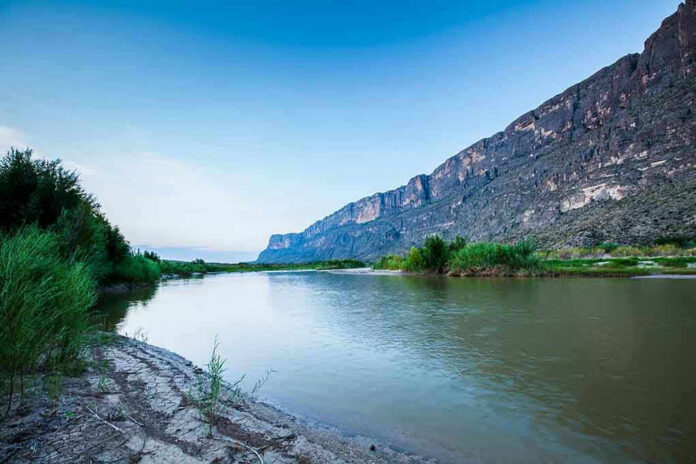
A still-unnamed illness is striking Grand Canyon rafters after their river trips, and federal investigators admit they do not yet know what is making people sick.
Story Snapshot
- Multiple rafters from different trips report similar fevers, lung problems, and deep fatigue weeks after rafting the Colorado River.
- The National Park Service Office of Public Health has opened a formal investigation but is not sharing details about test results or case counts.
- Doctors are testing for several possible infections, from rodent-borne diseases to tick bites and valley fever, yet no clear cause has been found.
- Past Grand Canyon outbreaks tied to rafting were solved quickly, raising new questions about why this cluster remains a mystery in a major national park.
Mystery illnesses hit Grand Canyon rafters after river trips
Recent reports from Grand Canyon river rafters describe a worrying pattern that looks less like random bad luck and more like an unsolved outbreak. Rafters from separate trips on the Colorado River say they were healthy on the water but developed fever, crushing fatigue, joint and muscle pain, and chest or breathing problems days to weeks after coming home. One group reported four sick out of sixteen, and the trip leader later heard from at least five other crews with almost identical stories.
These are not simple “vacation bugs.” One rafter, Matthew Wappett, first noticed an infected, swollen knee that needed intravenous antibiotics. Soon after, he developed pneumonia and lingering flu-like symptoms that left him exhausted for more than a month, with doctors still running tests and trying to name the cause. Another rafter, Steven King, described crew members with fevers, severe localized muscle pain, and fluid in their lungs, again without clear answers from health providers.
National Park Service investigation and tight-lipped officials
The National Park Service Office of Public Health has now opened a formal investigation, an important step that confirms this is more than internet gossip. In a written statement, the office said it is aware of multiple illnesses among rafters and is working with public health partners, but it refused to say how many people are sick, what tests are being run, or which diagnoses are being considered while the probe continues. That silence feeds public worry in a time when many Americans already doubt federal agencies.
This is not the first time Grand Canyon rafting has triggered a health investigation, which makes the current mystery stand out. In 2022, more than 200 rafters and backpackers in the park’s backcountry were hit by acute gastroenteritis with vomiting and diarrhea. The National Park Service and the Centers for Disease Control and Prevention (CDC) worked together, tested pooled waste from portable toilets, and quickly identified norovirus as the likely cause, then pushed hand-washing rules and other controls. This time, by contrast, there is no confirmed germ and no clear guidance beyond “we are looking into it.”
Possible causes and why doctors say they are stumped
Doctors and disease trackers are casting a wide net because the symptoms do not point cleanly to one illness. Tests mentioned in reports include valley fever, a fungal lung infection caused by breathing in dust; dengue fever and hantavirus, which can cause severe systemic sickness; leptospirosis, a bacterial disease that people can catch from water tainted with rodent urine; and tick-borne diseases such as Lyme disease and Rocky Mountain spotted fever. These possibilities match known risks of adventure travel, where rafting and hiking expose people to wild animals, river water, dust, and biting insects.
An infectious disease specialist, Dr. Britta Lassman, is tracking the cases through the Boston University BEACON platform, which logged them under “Undiagnosed febrile illnesses among Grand Canyon river rafters.” She has said that most disease reports eventually turn out to be something identifiable, but that it can take time to pin down. Other experts interviewed by national media admit they are “stumped” for now and cannot yet point to a single unifying cause. That honest uncertainty clashes with public hopes for quick, clear answers, especially when stories of a sick knee, pneumonia, and weeks-long fatigue hit close to home for many readers.
Social media, tourism pressures, and deeper trust problems
Many of the first reports came through the Grand Canyon rafters Facebook group, where trip leaders compared notes and found similar sets of symptoms across different journeys. Social media has helped surface possible clusters faster, but it also means many cases are self-reported and not yet confirmed by medical records. That gives skeptics room to dismiss the pattern as “just stories online,” even while the National Park Service has taken the unusual step of opening a formal investigation. This mix of real concern and online noise makes it hard for ordinary people to know what to believe.
Grand Canyon mystery illness reportedly triggers NPS investigation after rafters report alarming symptomshttps://t.co/FFRER56jsD
— Spreading Fox News (@SpreadFoxnews) July 10, 2026
Rafting trips remain open during the busy summer season, when thousands of people travel through the canyon and local businesses depend on tourism dollars. Shutting down commercial trips would hit outfitters, guides, hotels, and nearby towns hard, so there is strong pressure to keep the river corridor open unless officials can prove a serious threat. That trade-off—health warnings versus economic interests—feels familiar to Americans on both the left and right who already suspect “the system” protects money and institutions first and regular citizens second.
What this case reveals about the system’s blind spots
BEACON’s report notes shared exposures across affected trips, including mosquito bites at multiple canyon camps and swimming in side canyons such as Little Colorado River, but it also states that no diagnosis has been publicly shared as of early July. There is no evidence yet that the knee infection in one patient is directly tied to the wider cluster, and officials say it remains possible the cases are unconnected. Still, the pattern is strong enough that disease trackers want deeper testing of blood, lung fluid, and environmental samples from river water, soil, and ticks.
For many Americans, this story taps into a broader frustration with how major institutions respond to risk. People see a famous national park, a clear cluster of sick visitors, and an investigation wrapped in silence. They remember earlier health crises where officials moved slowly, guarded data, and seemed to worry more about reputations and revenue than about straight talk. Whether this Grand Canyon illness turns out to be a known infection or stays in the “medical mystery” file, it highlights how much trust the federal government has already spent—and how every opaque response to new threats deepens the sense that ordinary citizens are on their own when the system should be watching their backs.
Sources:
foxnews.com, paddlingmag.com, gizmodo.com, youtube.com, nbcnews.com, reddit.com, facebook.com
© patriotpostnews.com 2026. All rights reserved.