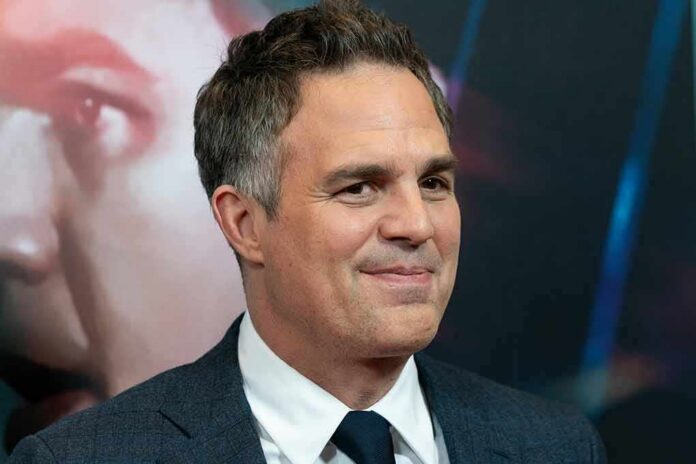
Paramount labeled Mark Ruffalo’s merger criticism “simple antisemitism,” igniting a Hollywood fight over speech, power, and where the line is.
Story Snapshot
- Paramount said Ruffalo invoked antisemitic tropes in posts tying the merger to Israel and Oracle.
- Ruffalo denied the charge and said he criticized policy and contracts, not Jewish people.
- Jewish groups condemned his remarks; allies in Hollywood defended his intent.
- The clash lands amid a high-stakes media merger and wider anger at elite power.
What sparked the accusation
Paramount said Mark Ruffalo’s comments about its planned deal crossed a red line. The company argued his posts were “not commentary on a merger,” but “simple antisemitism,” pointing to language about secretive, wealthy elites and joy in “mass death.” Reports say Ruffalo shared a clip of Paramount board member Safra Catz and linked Oracle, Larry Ellison, and Israel’s war conduct to “genocide” and “apartheid,” prompting swift backlash from the studio and others.
Coverage placed the posts and the company’s response between August 22 and 26, just before mediation in an antitrust fight over the blockbuster deal. That timing gave the claim instant traction and framed it as more than a celebrity feud. The Los Angeles Times and Variety highlighted Paramount’s focus on alleged “antisemitic tropes” and the role of Oracle’s leadership in Ruffalo’s framing, including the clip of Safra Catz, who is Jewish.
How Ruffalo answered the charge
Ruffalo rejected the label as “appalling and fundamentally dishonest.” He said criticism of the Israeli prime minister, a military technology contract, or the executives who supply it is not the same as attacking Jewish people. He added that his views come from political beliefs, not bias, and that he has “deep love and respect” for Jewish people. Major outlets quoted these statements, which he also posted directly on social media for the record.
His allies echoed that line. Some industry figures argued he was speaking about war policy and corporate links, not religion or identity. Others said Paramount was trying to shift the public away from concerns about media power and the Ellisons’ influence. Still, the counter-argument faced headwinds as the studio’s framing, and the push by critics, defined early news cycles and shaped how audiences first saw the dispute.
The push from advocacy groups and insiders
Three well-known Jewish organizations condemned Ruffalo’s remarks. The Anti-Defamation League, the Simon Wiesenthal Center, and Creative Community for Peace criticized his language and urged a response unless he retracted it. Separate statements from a group of Hollywood producers and financiers also denounced what they called “antisemitic theories” in his commentary. These actions increased pressure and deepened the industry rift over the merger and speech standards.
Mark Ruffalo accused of antisemitism by Hollywood insiders over Paramount merger remarks https://t.co/5aqG4YJtfg #FoxNews
— Stephen materia (@MateriaStephen) August 28, 2026
Paramount’s legal chief also cast doubt on the motives of some merger critics. He said parts of the opposition were driven by antisemitic sentiment, which linked the content fight to the legal brawl around consolidation. That claim further blurred lines between good-faith policy debate and hate, fueling a cycle where each side said the other was weaponizing charged labels to win a business war and control the story.
Why this matters beyond Hollywood
This clash hits nerves on the right and left. Many Americans fear a small group of elites controls media, sets rules, and dodges accountability. Some see rough speech rules used to silence critics. Others see hate hiding behind “anti-war” or “anti-corporate” branding. The facts here are limited to public posts and statements. There is no court finding or regulator ruling on intent. That leaves interpretation to loud voices in a high-dollar merger fight.
The country’s larger divide makes careful lines hard to hold. People can forcefully criticize a war or a tech contract. People can also cross into tropes that blame Jews as a group. The distinction depends on words and context. When posts are deleted or clipped, that context gets thin. In that vacuum, institutions and influencers set the narrative first, and the public is asked to pick a side before all the evidence is clear.
The open questions and what to watch
Two things would help: a complete, platform-preserved record of Ruffalo’s original posts and full transcripts of the Safra Catz clip. That would show whether he targeted specific policies and deals or painted with a wider brush. Until then, the core is unchanged. Paramount called his language antisemitic. Ruffalo said he hit policy, not people. Advocacy groups condemned him. Supporters defended intent. Mediation over the merger continues as the speech fight rages.
The deeper worry spans party lines. When a merger of this size moves through, citizens want open debate, clear facts, and room to criticize power without smears—or to call out real hate without being told to shut up. That balance is a basic American value. Getting it wrong either way erodes trust. Watch for any verified records released, any retractions or apologies, and whether regulators weigh the uproar as they review the deal.
Sources:
foxnews.com, theguardian.com, latimes.com, forward.com, nytimes.com, variety.com, x.com, jns.org
© patriotpostnews.com 2026. All rights reserved.