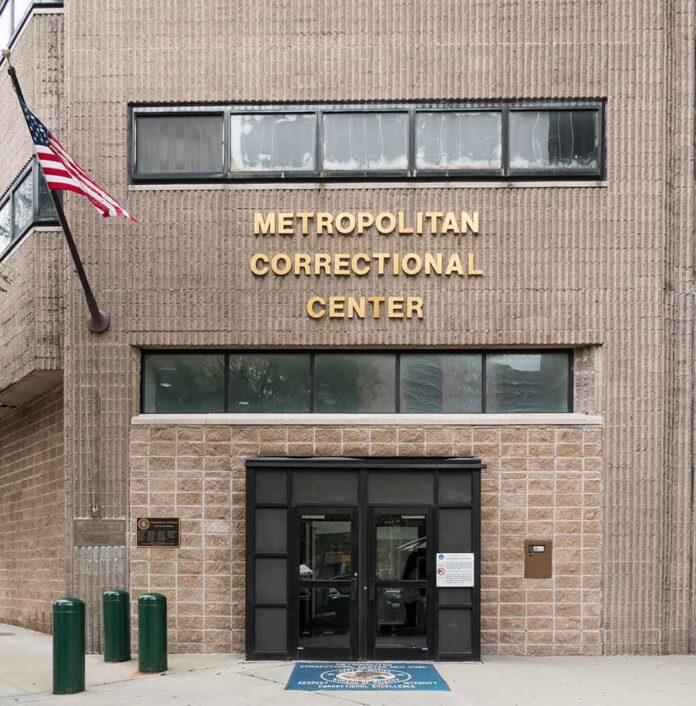
New detention photos of Nicolás Maduro land as the United States says he is in federal custody in Brooklyn awaiting trial on narco-terror charges, underscoring a case where law, power, and oil all collide.
Story Snapshot
- Justice Department charged Maduro in 2020; a broader indictment was unsealed in 2026.
- State Department says Maduro was moved to Metropolitan Detention Center in Brooklyn.
- Prosecutors allege a long-running cocaine conspiracy tied to armed groups.
- Maduro pleaded not guilty and called the case political in court remarks.
What Prosecutors Allege About Maduro’s Role
Justice Department records say federal prosecutors charged Nicolás Maduro in March 2020 for narco-terrorism, corruption, and drug trafficking. A superseding indictment was unsealed on January 3, 2026, adding breadth to the case. Officials say the conspiracy involved cocaine shipments headed to the United States and links to armed groups over many years. These filings show a long trail of actions by the government, not a one-day splash. The charges remain allegations until tested in court.
Prosecutors described a partnership that aimed to move cocaine and protect traffickers. They alleged coordination with foreign criminal groups and a goal to flood the United States with drugs. Officials said the plan spanned decades and used state power to support it. This is the theory the government will try to prove at trial. The government’s language on scope and intent is unusually direct for a case reaching a head of state, reflecting high stakes.
Custody Status And Detention Conditions In New York
The United States Department of State says Maduro is in U.S. custody in New York. The agency states he was transported to the Metropolitan Detention Center in Brooklyn and is awaiting trial on federal charges. That facility houses federal detainees before and during trial. Media reports have also described heightened restrictions, but the State Department identification of the site is the clearest public placement so far. Independent jail records were not included in the materials reviewed.
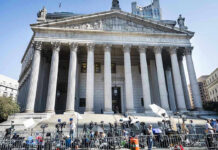
Major outlets reported courthouse appearances and detention details consistent with that account. Coverage said he appeared before a federal judge and referenced strict confinement terms. Those points align with a high-profile national security case in a large federal district. While the exact jail logs and docket entries were not provided here, the shared picture across official statements and multiple outlets supports the basic custody narrative pending trial.
Maduro’s Response And The Oil-Politics Backdrop
Maduro pleaded not guilty in court and denied every charge. He told the court he is innocent and framed the prosecution as political. He has argued that the case hides imperial aims tied to Venezuela’s oil wealth. Those are his claims, not findings by the court. The legal fight now moves to motions, evidence, and trial scheduling. The court will decide what the jury hears and when, based on the rules of criminal procedure.
Venezuelan leader Nicolás Maduro has shared the first photos from what appears to be US detention, offering a rare look at him months after his capture.
The images, posted online, show Maduro in a grey tracksuit making peace signs, with reports saying they were taken on June… pic.twitter.com/hU0TfYBPF5
— Safari Reports (@Safari_Reports1) August 31, 2026
The photos that sparked new attention arrived amid louder talk about oil deals and access. That timing fuels public worries on both right and left about power, wealth, and policy trading places. Conservatives see a test of border security, drug crime, and strong law enforcement. Liberals see risks of overreach, human rights concerns, and energy interests steering justice. Many Americans agree on one point: they want clear records and fair courts, not stage-managed narratives.
What To Watch Next In Court And Policy
Court dockets should show the schedule for motions, discovery, and any detention appeals. Defense lawyers may seek to exclude parts of the case or ask for venue changes. Prosecutors must turn over discovery and detail their evidence. If there are sealed filings, the court may weigh limited public access. Clear records will help the public separate photo buzz from the case file. A trial timeline and witness lists would mark real progress toward resolution.
Policy moves around Venezuela’s oil sector will also draw scrutiny. Any changes in sanctions, licenses, or contracts will be measured against this prosecution’s milestones. If policy and court events advance in lockstep, critics will argue influence. If they diverge, officials will cite independent tracks. Either way, transparency matters. Americans deserve proof-driven justice and open policy records, not a fog of press releases and viral images that leave basic facts in doubt.
Sources:
facebook.com, english.elpais.com, politico.com, news.bloomberglaw.com
© patriotpostnews.com 2026. All rights reserved.