A long-hidden city memo warned of thousands of likely lawsuits from toxic 9/11 exposure while leaders told New Yorkers the air was safe.
Story Snapshot
- New York City released about 170,000 pages on 9/11 health, air quality, and its response.
- An October 2001 “Harding memo” flagged legal risk from advisories that sent people back too soon.
- Records were stored in 68 boxes and stayed out of public view for over two decades.
- The release followed lawsuits by 9/11 Health Watch that pressured the city to disclose files.
What New York City Just Released and Why It Matters
New York City opened a public portal with about 170,000 pages tied to post‑9/11 health, air quality, and city actions, including a document known as the Harding memo and records from 68 boxes found in storage. The city linked the release to the settlement of two lawsuits by 9/11 Health Watch. The files add to a long fight over what officials knew about toxins downtown and when they knew it. They also show how records can sit unseen for years.
Reporters who reviewed the new files say city leaders publicly reassured people that the air was safe while internal discussions tracked legal risk from toxic exposure after the attacks. Coverage describes the Harding memo as warning of “potential plaintiffs” tied to advisories that sent people back too soon, with estimates in the tens of thousands. These details paint a picture of leaders trying to manage health messaging and looming lawsuits at the same time.
The Harding Memo and Early Legal Fears
The October 2001 Harding memo, prepared for Deputy Mayor Robert Harding, reportedly lists possible lawsuits from people exposed to toxic dust and smoke and highlights risk from advisories that could have returned workers and residents too early. One report says the memo projected tens of thousands of potential plaintiffs. While summaries are strong, full memo text is not reproduced in these accounts, which limits how far any firm conclusions can go about intent or orders to mislead.
Advocates argue the memo shows the city grasped the danger while giving public reassurances. Jon Stewart said “it’s very clear the city knew,” pointing to the memo as proof of early awareness. The New York Times described the archive as a “smattering” of internal memos and suggested many more records are likely missing, so the new cache is important but not complete. That gap means more document work will be needed to map who knew what and when.
Public Assurances Versus Later Health Evidence
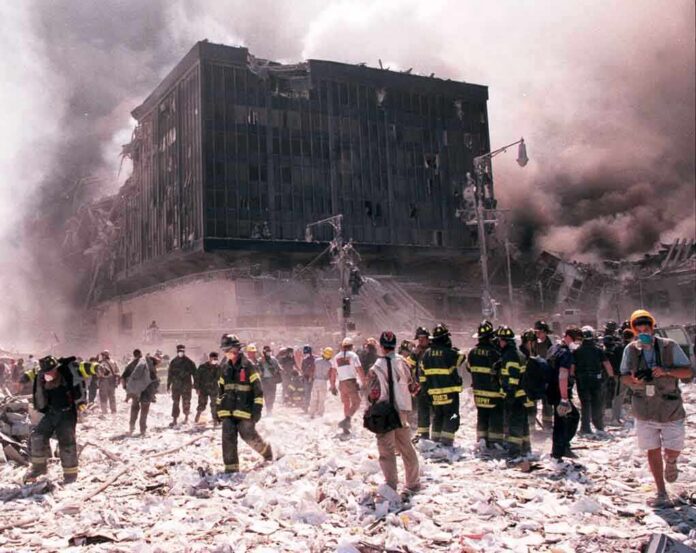
After the attacks, Environmental Protection Agency Administrator Christine Todd Whitman said the air around lower Manhattan was safe to breathe and the water safe to drink, and later said her remarks relied on agency scientists. Then‑Mayor Rudy Giuliani said the smoke was uncomfortable but not dangerous. Those statements aimed to calm a city in crisis. Later health studies, however, linked World Trade Center dust to lasting respiratory and heart problems among responders and residents.
The clash is not about whether the dust was harmful. Today’s health record shows it was. The dispute centers on timing and honesty. Did leaders know more than they said about risks while urging a return to normal? The newly released city files, plus the Harding memo summaries, point to detailed legal planning around exposure while public messages leaned safe. That mix feeds a common view that institutions protect themselves first when disaster strikes.
Transparency, Trust, and What Comes Next
The city says lawsuits by 9/11 Health Watch helped force this release, which adds weight to the idea that pressure from outside groups is often needed to open government records. The city previously resisted disclosure efforts and only later acknowledged the 68 boxes in storage, which deepened public doubt. More releases, including full memo texts and email chains, could help confirm timelines and reduce room for spin from any side.
New York City has released more than 170,000 pages of records related to the September 11 terror attacks and their aftermath on Tuesday, Sept. 8, ahead of the 25th anniversary of 9/11.
The records indicate that the city officials knew air around Ground Zero was unsafe to breathe… https://t.co/MhEBzLyC10
— CGTN America (@cgtnamerica) September 9, 2026
People on the right and left share a core worry here: officials made sweeping safety claims, then hid or slow‑walked records for decades. That pattern hurts trust far beyond New York. It suggests a government culture that shields itself when stakes are high, even as regular people bear the health costs. Clear next steps include publishing the full Harding memo, producing message drafts and distribution lists, and posting a day‑by‑day timeline that matches internal notes to public statements.
Sources:
youtube.com, nytimes.com, usatoday.com, npr.org, abc.net.au, ny1.com, 911healthwatch.org, nypost.com
© patriotpostnews.com 2026. All rights reserved.