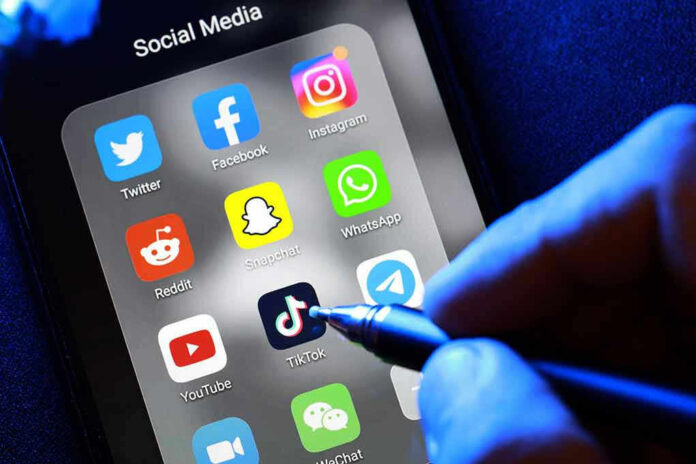
As TikTok scrambles to roll out a new US-only app to avoid an outright ban, the saga exposes just how far American sovereignty has been eroded by foreign tech giants and government indecision—leaving millions of users and businesses hanging in the balance and raising the question: will DC finally put American interests first, or cave again to globalist pressure?
At a Glance
- TikTok is building a new version of its app for US users, set to launch September 5, 2025, amid mounting national security concerns.
- The US government has forced TikTok’s Chinese parent company, ByteDance, to divest its American assets or risk a full ban—yet China’s approval remains a wild card.
- Millions of US creators and businesses could face confusion as the old app is phased out and replaced, while political wrangling continues.
- The drawn-out fight underscores growing US-China tech tensions and the dangers of relying on foreign-controlled platforms for American communication and commerce.
TikTok’s US App Gambit: A Forced Makeover Under Government Pressure
TikTok’s parent company, ByteDance, is racing to launch a new US-specific version of the app by September 5, 2025, in a desperate bid to avoid a government-ordered ban. The Biden and Trump administrations, each in their own way, have made it clear: foreign-controlled social media platforms that put American data at risk are no longer welcome. After years of hand-wringing and failed attempts to force a sale, the US government is finally drawing a line—at least on paper—by demanding that ByteDance divest TikTok’s American operations or face ejection from US app stores. The current TikTok app will hang on by a thread until March 2026, but the clock is ticking. If you thought government overreach was already at an all-time high, now we’ve got bureaucrats in the business of mandating how your favorite apps work and who owns them. The irony? The Chinese Communist Party, not exactly known for its love of American free speech, must sign off on any sale. That’s right—America’s digital future is being held hostage by a foreign dictatorship and a parade of DC regulators who couldn’t build a social app if their lives depended on it.
The American public is now left wondering whether this new version of TikTok will truly be “safe” or just a cosmetic fix. No details on who the new American owners might be, or how user data will be handled, have been released. Meanwhile, creators and small businesses who depend on TikTok for their livelihoods are left in limbo, forced to navigate yet another government-induced digital shakeup. Washington’s “solution” to a foreign surveillance threat? More bureaucratic red tape and disruption for the people actually using the platform. What could possibly go wrong?
Who’s Really Calling the Shots: US Policy or Beijing’s Approval?
The real farce here isn’t just that the US government has finally decided to get tough on Chinese tech infiltration—it’s that the final say on the future of a wildly popular American app sits in Beijing. President Trump has claimed the US “practically” has a deal for the TikTok sale, but the Chinese government has repeatedly signaled it’s in no rush to approve anything, especially as the US and China trade tit-for-tat tariffs and sanctions. American sovereignty, it seems, is now subject to the whims of Chinese bureaucrats and backroom globalist negotiations.
ByteDance, caught between two superpowers, faces a lose-lose scenario: either cede control and value to American investors or risk losing access to the world’s most lucrative market. US investors circling the deal see dollar signs, but they’re walking a regulatory tightrope with no guarantee of Chinese cooperation. Meanwhile, DC politicians are busy patting themselves on the back for “protecting” Americans from foreign influence, all while outsourcing the final decision to the very regime they claim to be fighting.
The Fallout: Americans, Not Bureaucrats, Bear the Consequences
While politicians and foreign governments haggle over control, it’s everyday Americans who get the short end of the stick. Millions of US TikTok users, content creators, and small businesses now face confusion about which app to use, when to switch, and whether they’ll lose their digital livelihoods in the process. This fiasco is also a warning shot to every other foreign-owned tech company operating on American soil: toe the line, or risk being chopped up by Washington’s political meat grinder.
As the battle over TikTok’s future drags on, the underlying message couldn’t be clearer: America’s leaders have allowed foreign interests to dominate our digital infrastructure for far too long, and when it comes time to reclaim control, it’s the American people who pay the price for government dithering and globalist appeasement. If you want an object lesson in the absurdity of modern governance, look no further than a video app dictating the terms of US-China relations in an election year. Maybe next time, lawmakers will think twice before handing the keys to American culture, commerce, and communication to a hostile foreign power.
Sources:
Mezha.net (The Information report)