
Ukraine’s cheap drones have done what few thought possible: they’ve turned one of the world’s top oil powers into a country rationing gasoline and scrambling for fuel.
Story Snapshot
- Ukraine has hit dozens of Russian refineries and depots, forcing bans on gasoline and jet fuel exports and rationing at gas stations.
- Russian President Vladimir Putin now openly admits fuel shortages and long lines, even as he insists the situation is “not critical” and “temporary.”
- Experts say drone strikes have knocked significant refining capacity offline, triggering regional shortages and sharp price hikes.
- Both Russian and Western reports show a tug-of-war between damage control and reality, with ordinary Russians caught in the middle.
Ukraine’s Drone War Hits Russia’s Oil Nerve
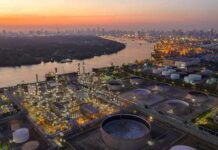
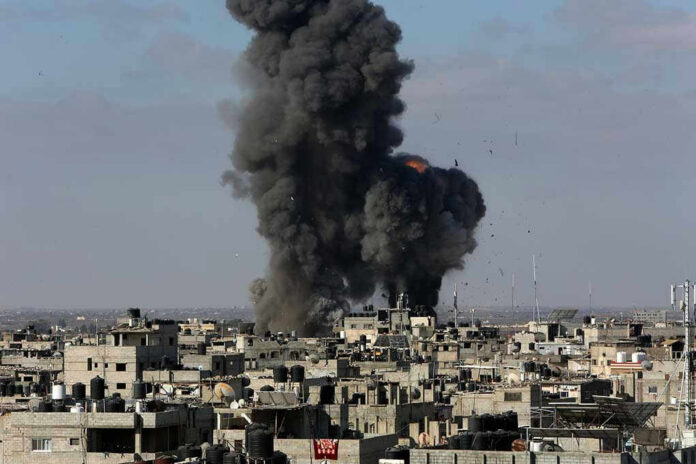
Since early 2026, Ukrainian forces have stepped up long-range drone attacks on Russian oil refineries, depots, and terminals deep inside Russia. These sites turn crude oil into gasoline, diesel, and jet fuel, and they also feed the cash that funds Moscow’s war. Ukrainian President Volodymyr Zelenskyy has publicly claimed strikes on facilities in places like Slavyansk, Yaroslavl, Ufa, and Penza, some more than 1,300 kilometers from the front line. Kyiv’s message is simple: if Russia uses energy to fuel war, Ukraine will hit that energy at the source.
Independent counts back up the scale of this campaign. The Associated Press, using Russian regional reports, tallied more than 50 Ukrainian drone attacks on oil infrastructure between late March and July 2026. Research groups tracking the war say that, across the last two years, over 15 major refineries and numerous depots have been struck, in the first sustained and mostly successful Ukrainian effort to hit Russia’s energy backbone. Analysts note that drones usually damage key units rather than erase entire plants, but repeated hits add up and force shutdowns and repairs.
From Export Ban To Gas Rationing: Inside Russia’s Fuel Crunch
Russian leaders first tried to act like this was business as usual. Government officials blamed “unscheduled maintenance” and “seasonal demand” for tight supplies. But the harder Ukraine hit, the more the story cracked. By spring, Moscow had imposed bans on gasoline exports, extended restrictions on aviation fuel, and started talks to bring in gasoline from Belarus and other suppliers. These moves were meant to keep fuel at home, yet they were also a clear sign that refinery outages were biting into export volumes and tax income.
On the ground, Russians saw the real picture at the pump. Russian and foreign outlets have shown long lines at gas stations, panic buying in regions from Moscow to Kamchatka, and rationing that limits drivers to between 15 and 50 liters per visit. Some stations in occupied Crimea reportedly stopped selling gasoline altogether and offered only diesel. Retail fuel prices have jumped sharply, with some reports placing increases near 40 percent since the start of the year in the hardest-hit areas. For regular families, farmers, and small businesses, this is not a “temporary glitch”; it feels like a system failure.
Putin Admits A Problem But Downplays The Crisis
Faced with images of lines and outages, President Vladimir Putin has had to shift his tone. In late June, he admitted that Russia faces fuel shortages, queues at filling stations, and trouble finding certain gasoline grades. He blamed Ukrainian “terrorist” attacks, but he also insisted the problems are “not critical” and “temporary,” and claimed damaged facilities are being repaired quickly using spare capacity and reserves. That message aims to calm Russians and signal strength abroad, yet it clashes with the bans, rationing, and price spikes people are living through.
Russian energy officials echo this mixed line. They concede that increased “enemy air attacks” have forced production cuts, but they stress that Russia has large emergency fuel reserves and the ability to shift refining from less-affected regions. Western analysts note that, on paper, overall refining volumes have fallen only a few percent year-on-year, suggesting the system is bending but not yet breaking. Even so, those same studies report days when national gasoline output dropped as much as 20 percent, enough to trigger local shortages and political heat for the Kremlin.
Asymmetric Drones, Fragile Systems, And Lessons For America
What makes this story bigger than Russia and Ukraine is the tactic behind it. In 2019, a swarm of drones and missiles hit Saudi Arabia’s Abqaiq and Khurais oil plants, briefly knocking out about half of the kingdom’s output and shocking global markets. Analysts warned that cheap unmanned aircraft had given weaker actors a way to punch far above their weight against giant energy systems. Ukraine has now turned that warning into a real-world test case against another major oil exporter.
Moneycontrol lies
😂😂😂Fuel-starved Russia buys Indian gasoline after Ukraine drone strikes cripple refineries https://t.co/tCfSYR3Rf2
— TimeTraveler (@vidyadharana) July 1, 2026
For Americans on both the right and the left, this matters for two reasons. First, it shows how quickly a proud “energy superpower” can slide into rationing when its infrastructure is exposed and its leaders hide problems until it is too late. Many here already feel our own government ignores aging pipelines, grids, and refineries while chasing political fights and green slogans or corporate profits. Second, it proves that drones and cyber-era weapons make critical systems more vulnerable than elites admit, even as they assure us that everything is “under control.” When regular Russians find out the hard way that their rulers protected image and revenue before fuel security, it should remind us to ask tougher questions at home about who our leaders really serve.
Sources:
youtube.com, en.wikipedia.org, facebook.com, bakerinstitute.org, reddit.com, nbcnews.com, oilprice.com, cnbc.com, wsj.com, aljazeera.com
© patriotpostnews.com 2026. All rights reserved.