Trump’s fight with some of the nation’s biggest law firms turned into a test of how far the White House can go when it targets lawyers who have represented its enemies.
Quick Take
- The White House issued orders and a memorandum aimed at major law firms it said harmed American interests.
- Those actions included security clearance reviews, contract threats, and limits on access to federal buildings.
- Federal courts later blocked the main order against Perkins Coie and found it unconstitutional.
- The Justice Department later dropped appeals in the cases that had gone against the administration.
White House Pressure on Big Law
In March 2025, the Trump administration began a broad campaign against major law firms it viewed as hostile. The White House order on Perkins Coie said the firm had worked with activist donors and had tried to overturn election laws through litigation. Other reports say the administration had targeted five large firms by March 27 and used tools like contract reviews, building access limits, and hiring restrictions to pressure them.
The March 22 presidential memorandum widened the push beyond one firm. It told the attorney general to seek sanctions against lawyers and firms accused of filing “frivolous, unreasonable, and vexatious” cases against the government. The same memo also allowed possible security clearance reviews and contract action if the attorney general found misconduct. That gave the Justice Department a larger role in policing legal opposition to the administration.
Why the Firms Fought Back
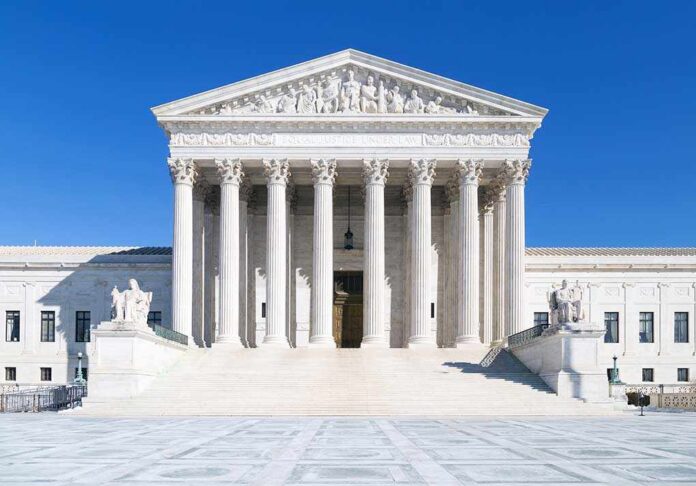
The firms did not treat the orders as routine discipline. They argued the actions were punishment for representing clients and causes the president disliked. Legal groups and civil liberties organizations said the orders threatened free speech, due process, and the right to choose counsel. Several firms sued, and the court fight quickly became about more than one company. It became a test of whether a president can use federal power to chill legal defense.
Judge Beryl Howell permanently blocked the Perkins Coie order in May 2025, finding it unlawful retaliation and a violation of constitutional protections. The court record also undercut the administration’s claims about discrimination and misconduct, saying the government had not shown proof for key accusations. The ruling mattered because it showed that public claims of abuse are not enough when the government tries to punish a law firm through executive power.
What the Outcome Says About Power
The Justice Department later dropped appeals after courts ruled against the orders. That move left the administration without a winning defense in the cases that reached review. It also fed the view, shared by critics across the political spectrum, that the real issue was not narrow ethics enforcement but raw leverage over the legal system. When the government can punish firms that take unpopular cases, fewer lawyers may be willing to take them.
The larger lesson reaches beyond one president or one legal fight. The record shows a White House willing to name firms, threaten their business, and question their ties to clients and causes. Supporters could call that accountability. Critics called it intimidation. The courts, for now, sided with the critics, and that makes this episode a warning about how quickly executive power can collide with the independence of the bar.
Sources:
feedpress.me, firstamendment.mtsu.edu, en.wikipedia.org, ibanet.org, youtube.com, whitehouse.gov
© patriotpostnews.com 2026. All rights reserved.