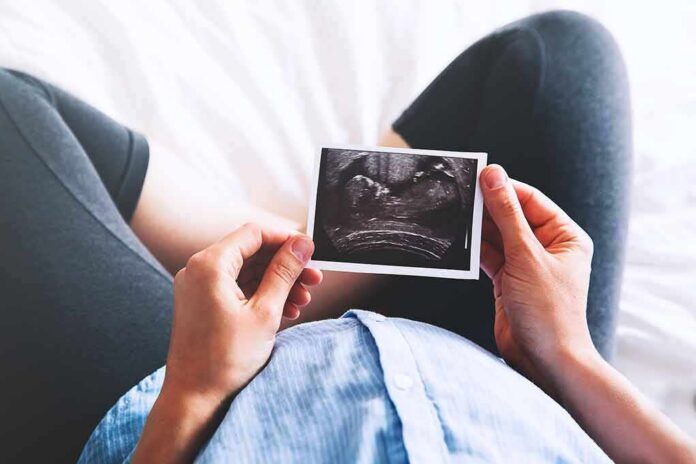
One pregnant Haitian woman in Florida is now hiding because the end of deportation protections has turned daily life into a fear of being picked up at any moment.
Quick Take
- CBS News reported that a 29-year-old expectant mother in Florida is hiding after Temporary Protected Status for Haitians ended.
- The same report said the Trump administration ended protections for more than 300,000 Haitian nationals after a long legal fight.
- The woman said she lost her job, her health insurance is running out, and she does not know where she could go if deported.
- Another CBS News report said a pregnant Haitian woman in South Florida feared losing medical coverage under the end of Temporary Protected Status.
Protections End, Fear Spreads
Federal immigration policy has now reached into one of the most sensitive parts of family life: pregnancy. CBS News reported that the White House ended Temporary Protected Status for more than 300,000 Haitian nationals, and one 29-year-old expectant mother in Florida said she is in hiding because she fears deportation. The report said Immigration and Customs Enforcement planned to ramp up arrests and deportations just before the program expired.
The loss of protection also means the loss of work authorization for many people who relied on it to stay stable. CBS News reported that the woman in Florida lost her job after her status expired, and her health insurance is due to run out. A separate CBS News report described another Haitian woman in South Florida, six months pregnant and facing a high-risk pregnancy, who feared what losing coverage could mean for her and her baby.
Why Pregnancy Changes the Stakes
Pregnancy makes deportation fear more than a legal problem. It becomes a health problem, too. United Nations experts said in 2023 that fear of deportation can stop Haitian migrant women from seeking medical help and put their lives at risk. That warning echoed again in later United Nations reporting on Haitian mothers and infants facing deportation pressure in the region.
That wider pattern matters because it shows how enforcement can push vulnerable people away from hospitals and into silence. Reporting from the Dominican Republic has described pregnant Haitian women avoiding care because they fear detention, deportation, or separation from their newborns. Those reports are not about the United States, but they show the same basic human problem: once families believe a clinic or hospital might lead to removal, they may wait too long to get help.
A Broader Fight Over Immigration Policy
The end of Temporary Protected Status for Haitians is part of a larger fight over how far the federal government should go in immigration enforcement. Supporters of tougher policy say the government is enforcing the law after a prolonged legal battle and a finding that conditions in Haiti had improved enough to end the program. Critics argue the decision exposes families to fear, job loss, and medical risk at the exact moment they need stability most.
Haitian pregnant woman in Florida fears deportation as TPS ends: "I've been in this country most of my life" https://t.co/iWwRcYOY2l
— CBS News (@CBSNews) August 9, 2026
The story also fits a broader public frustration that crosses party lines. Many Americans on both left and right see a system that leaves ordinary families stuck between bureaucracy and survival. Here, the facts are plain: a pregnant woman is hiding, a larger Haitian community has lost legal protection, and the end of that protection is already affecting work, health coverage, and daily life. The policy fight is no longer abstract; it is playing out in homes, jobs, and doctors’ offices.
Sources:
cbsnews.com, nytimes.com, ohchr.org, news.un.org, theconversation.com
© patriotpostnews.com 2026. All rights reserved.