
President Trump told a Georgia crowd the United States is “making a freaking fortune” from high oil prices while many Americans pay over $4 a gallon for gas.
Story Highlights
- Trump said oil-producing states and U.S. companies are making “hundreds of billions,” and predicted gas prices will fall soon.
- Reports put national gasoline around $4.29 per gallon as he spoke, highlighting consumer pain at the pump.
- A Brown University estimate says households paid about $100.9 billion extra for fuel since the Iran war began.
- Critics, including David Axelrod, called the message politically damaging as voters feel squeezed by costs.
What Trump Said In Georgia And Why It Landed Hard
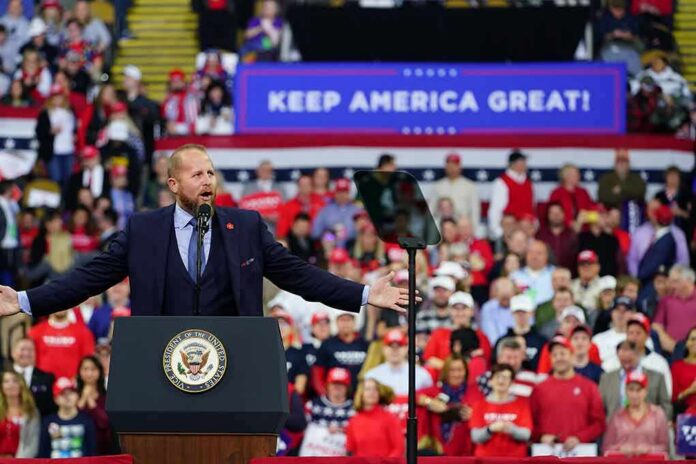
On October 24 in Perry, Georgia, President Trump said the country is “making hundreds of billions of dollars” because energy buyers are coming to Texas, Oklahoma, and Louisiana for oil. He added the oil and gas sector is making “a freaking fortune” and said advisers warned him not to boast because “people are paying a little higher,” but he predicted prices would come down soon. The remarks were public, on the record, and widely quoted by several outlets that covered the rally.
The same reports paired his claim with visible pump prices. One outlet cited a national average near $4.29 per gallon as the backdrop for his comments. The message blended national gains and private profits without sorting who benefits or how much goes to public treasuries versus companies. The statement did not include budget data, company filings, or a timeline for price relief, leaving key parts unverified and forecasts open-ended.
Consumer Costs Have Surged During The War Period
Independent estimates point to a large hit on families and small businesses. A Brown University tracker cited by CNN found Americans spent about $100.9 billion more on gasoline and diesel since the Iran war began, which equals roughly $770 per household; gasoline accounted for about $55 billion of that total. Other coverage reported the average U.S. gasoline price around $4.37 on October 9, up about 47 percent from late February before the war, showing a sustained rise that households can feel each week.
Diesel spikes have spread the pain beyond drivers to food and freight. Reports pegged diesel at about $6.48 per gallon, raising costs for trucking, farming, and construction and pushing up prices across the supply chain. Analysts and reporters have tied much of the increase to global supply shocks from conflict, which tend to move crude oil and refined fuel prices together. The Energy Information Administration explains crude costs are the largest part of pump prices, with refining, distribution, and taxes adding on.
Why The “Fortune” Claim And The Pain Can Both Be True
Energy booms create winners and losers at the same time. Higher oil prices lift revenues for producers, refiners, oilfield workers, and oil-rich states that collect severance taxes and royalties. They also raise costs for drivers and for businesses that move goods. That split helps explain the current clash: producers and some regions gain while many households lose cash each week. Energy experts say pump prices blend crude, refining, distribution, and taxes, so shocks ripple through the whole chain.
The president’s claim of “hundreds of billions” in gains has not been backed by formal ledgers in the public record. The reports quote his words but do not include Treasury data, audited company totals, or state revenue tallies to confirm the scale or the distribution of the windfall. Without that accounting, readers cannot weigh producer and government gains against household losses, or judge whether net national income is up after subtracting what families and small firms now pay.
Political Stakes: Voters See Prices, Not Balance Sheets
High fuel prices often hurt incumbents because every driver sees the cost. The Hill quoted Democratic strategist David Axelrod warning the “I don’t give a damn” framing invites backlash, while a Republican strategist said voters feel higher prices for gas and groceries most of all. The broader record shows U.S. presidents of both parties face blowback when wars, embargoes, or supply shocks push pump prices up, even if the causes lie far from Washington.
🚨BREAKING: President Trump dismisses criticism over high gas prices, saying the U.S. is making record profits and that he doesn’t care about the backlash.
The "Corporation" is making record profits!
The People are struggling.
Trump is part of the "Corporation"
The SWAMP! pic.twitter.com/WDKju7lh7B— Texas Warrior Kimm Schuman (@SchumanKimm) October 25, 2026
Trump also promised prices will fall soon, but he did not set a date or name a policy lever to make that happen. Futures markets, output changes, and shipping lanes will set much of the path. Until then, families paying $60 to $100 to fill up will judge results by receipts, not rhetoric. Clear data on who gains, who loses, and how long this lasts would help the public sort signal from noise and hold leaders to measurable goals.
Sources:
yahoo.com, themirror.com, thehill.com, democrats.org, nbcnews.com, news9.com, finance.yahoo.com
© patriotpostnews.com 2026. All rights reserved.