New York City’s plan for cheap, city-owned grocery stores is now caught in a fight over who gets in the door and what that says about government power.
Story Snapshot
- Mayor Zohran Mamdani plans five city-owned grocery stores with 30% discounts on key foods for all shoppers.
- A city official says a “library card-esque” membership system may be used to track who shops and prevent bulk reselling.
- Critics call Mamdani hypocritical for backing grocery ID-style checks while opposing voter ID rules.
- The plan shows how a simple discount program can turn into a larger fight over access, control, and trust in government.
Mamdani’s Discount Grocery Plan: What Is Being Built
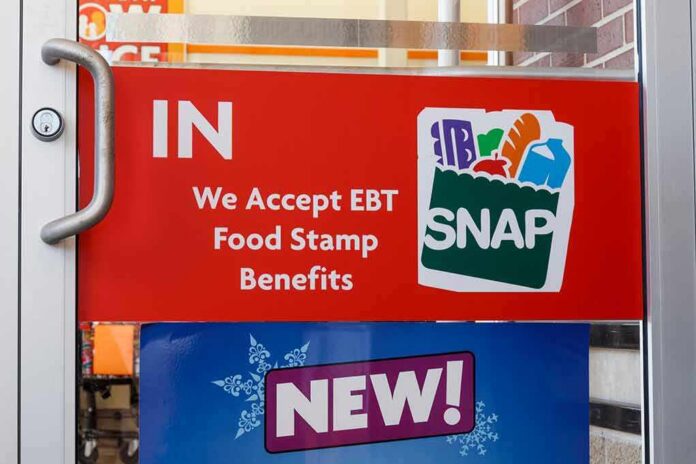
Mayor Zohran Mamdani has launched a plan for five city-owned grocery stores, one in each New York City borough, to blunt food prices that have surged in recent years. These stores, branded “NYC Groceries,” will sell a core basket of goods — all fresh produce, meat, seafood, and about twenty everyday staples like milk, eggs, cheese, and bread — at roughly thirty percent below typical retail prices. The city will cover rent, construction, and taxes while private operators run the day-to-day store operations.
The first store is slated to open in a low-income Bronx neighborhood around the end of 2027, with the full network expected by 2029. Prices on the discounted basket will be set once per month and held steady, which Mamdani says will help families predict their monthly costs instead of facing weekly price swings. The city estimates savings of about ninety dollars a month, or roughly one thousand dollars a year, for regular shoppers, and stresses that the discount will apply regardless of income.
The “Library Card-esque” ID Idea and Why It Matters
During public remarks on the new stores, New York City Economic Development Corporation interim president Jeanny Pak said the city is considering a “sort of a library card-esque thing” to identify shoppers and manage purchases. She explained that the goal is to make sure the program is “for New Yorkers to be able to put food on the table,” not for people from outside the city to buy in bulk and resell at a profit. That language suggests a membership-style system where residents sign up so the city can track who buys discounted goods and cap abuse, much like a library card or store loyalty program.
The stores are described as open to all New Yorkers without income checks, which means the system is not a traditional welfare eligibility screen but more like residency verification tied to a public benefit. At the same time, the idea of having to enroll in a government-run program to access cheaper food touches a nerve for many Americans. People on both the right and the left already worry that government databases can be misused, and that rules meant to stop fraud can slowly turn into quiet gatekeeping that shuts some people out.
Hypocrisy Fight: Grocery ID vs. Voter ID
Critics quickly seized on the membership idea because Mamdani has publicly opposed voter ID requirements, arguing that they can create barriers to voting. Commentators and social media voices now claim he is willing to require ID-like checks at taxpayer-funded grocery stores while fighting rules that would require ID at the ballot box. They frame this as a double standard: one set of rules when his administration wants to control a program, another when states want tighter rules on voting, even though both debates center on who must show identification to access a public service.
Supporters of the plan counter that the grocery system is about retail management, not civil rights. They say the program’s purpose is to keep discounts aimed at city residents and block bulk reselling, not to deny a fundamental right like voting. In this view, a low-bar, “library card-esque” signup that many residents already use for libraries or school services is very different from strict voter ID laws that can lead to someone being turned away from the polls. But those defenses are still general and do not yet walk through, in detail, how burdens at the grocery store would stay small and avoid turning into a de facto gate for the poor, the undocumented, or people with unstable housing.
A Deeper Pattern: Access, Control, and Distrust of Elites
This grocery fight is bigger than New York City. Around the country, both conservatives and liberals are growing more skeptical of a federal and local government they see as run by elites who protect their own power first. Many conservatives look at a city-owned supermarket with membership tracking and see one more step toward a managed economy where bureaucrats decide winners and losers. Many liberals look at the same plan and worry it could still sideline undocumented families or those who lack easy proof of residence, even if the intent is kinder.
Zohran Mamdani says voter ID is racist. Now his government supermarket plan will require New Yorkers to use a “loyalty card” to get his promised 30% grocery discount.
Mamdani and his DSA allies claim voter ID disenfranchises people. Now they admit verification is necessary to… pic.twitter.com/pXQ6rf7noV
— Josh Guillory (@JoshGuilloryUSA) August 3, 2026
Experts point out that government-linked grocery models are not new. Military commissaries, earlier New York food markets under Mayor Fiorello La Guardia, and other public-private grocery partnerships have long used some verification to prevent abuse and stretch limited resources. What feels different today is the level of distrust. When an official says the city will “manage who’s buying,” many hear less “basic oversight” and more “quiet social sorting.” In a time when both sides believe the system is rigged, even a simple library-style card can look like another tool for the deep state.
What Comes Next and What to Watch For
The city has not yet released the full bid documents and rulebook that will govern how the grocery operators handle shopper verification, purchase limits, and enforcement. Until those details are public, the debate is driven by sound bites and early comments, which makes it easy for partisan media on both sides to shape the story before the facts settle. Key questions remain: What proof will residents need to enroll? Will the system quietly exclude people in shared housing, shelters, or informal arrangements? How will the city make sure anti-resale rules do not become anti-poor rules?
For readers across the political spectrum, this is a case worth watching closely. On paper, cheaper food with no income test looks like a real win for working families crushed by inflation and rising grocery prices. But if access ends up tied to a new government membership file, run by the same class of insiders many Americans no longer trust, the plan could deepen the feeling that those in power control even the basics of daily life. Whether Mamdani’s grocery stores become a model of fair public help or another symbol of elite control will depend on the fine print that has not yet been written.
Sources:
pjmedia.com, dailymail.com, newsbusters.org, x.com, economictimes.indiatimes.com, youtube.com, facebook.com, foxbusiness.com, foxnews.com
© patriotpostnews.com 2026. All rights reserved.