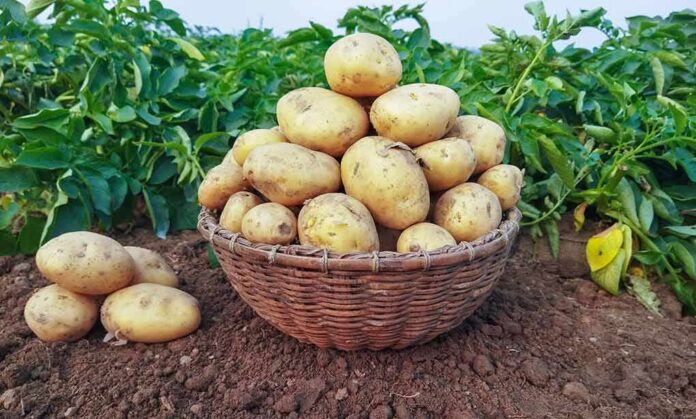
Britain’s potato fields are being baked and dried out by relentless heatwaves, raising real fears that one of the country’s most basic foods could soon become scarcer and more expensive.
Story Snapshot
- Severe heat and drought are stunting potato growth across key English regions.
- Farmers and experts warn of smaller yields, poorer quality, and rising prices for basic foods.
- Past heatwaves already cut potato harvests by around 20% and shrank chip size nationwide.
- Repeated extreme weather is exposing how fragile modern food supplies have become.
Heatwaves Are Stunting Britain’s Potato Crop
Severe heatwaves and long stretches of warm weather are now causing clear losses for British potato growers, with some warning that parts of their crop may die if the hot, dry spell continues. One grower told the BBC he expects to lose three to five tonnes of potatoes per acre from fields planted in April and May because the plants are losing “valuable growing time” during the key bulking stage. When temperatures push above about 25–30 degrees Celsius, potato plants focus on surviving heat stress instead of growing, which sharply cuts yields. These losses will not just hit farms; they will flow directly into tighter supplies and higher prices for consumers who already feel squeezed at the grocery store.
Government drought reports confirm that repeated heatwaves and dry weather are hitting agriculture, pushing some crops to ripen early and suffer heat stress that will show up in lower yields later in the year. In many areas, rain has been scarce for weeks, and soils are parched. Earlier dry years showed how serious this can become: un‑irrigated potato crops in England have produced as little as 30 tonnes per hectare in dry summers, less than half of what well‑watered fields can deliver. Potatoes are tough plants, but they still need steady moisture and moderate temperatures. When that basic balance breaks, no amount of clever marketing can hide the impact.
Smaller Harvests Mean Smaller Chips and Higher Prices
Recent history shows what prolonged heat and drought can do to something as simple as a plate of chips. A report on the 2018 heatwave found average British potato yields down about 20%, and the typical chip served in the United Kingdom was about 3 centimetres shorter because the harvested potatoes were smaller. Farmers reported misshapen, undersized tubers and one of the lowest potato harvests in six decades. Industry analysts warned at the time that such weather‑driven shocks would make the United Kingdom more reliant on imports and less able to feed itself from its own fields. Now, similar warnings are resurfacing as growers again watch their crops shrink under “record early” harvest pressure and lack of rain.
Wholesale prices are already reflecting the strain. Reporting from this summer shows the price of potatoes at wholesale markets up by more than 40%, alongside even sharper jumps for other vegetables like tomatoes and lettuce. Farmers and retailers say drought conditions across half of England are cutting yields for field crops such as potatoes, carrots, and onions by up to 20% in some areas. That kind of hit does not just mean fewer deluxe baking potatoes in fancy restaurants. It means families paying more for everyday staples, school cafeterias stretching budgets, and low‑income households having less room to absorb price spikes. For many readers on both the right and the left, this feels like yet another sign that the basic systems meant to protect food security are not keeping up.
Extreme Weather Exposes a Fragile Food System
Scientists who study potatoes and climate say these crops are especially sensitive to extreme weather, including drought, heat, and intense rainfall. One recent analysis found that drought alone can cut average potato yields by around 13%, and longer dry periods can roughly double that loss. In north‑west Europe – including the United Kingdom – recent summer droughts have left eating potato crops nearly 20% smaller than the year before, with tuber size and quality suffering and total regional output dropping despite a larger planted area. Experts warn that as extreme events pile up, Britain will depend more on imports, storage, and luck in the weather instead of steady, reliable local production.
For many people, this story reaches far beyond one vegetable. Heat‑driven crop damage is landing on top of years of frustration with rising food costs, uneven wages, and a sense that elites talk about resilience while ordinary families feel the pain at checkout. Farmers describe agriculture as being on a “knife‑edge” after repeated drought declarations across England and Wales, with weather risk making it “harder, riskier and more costly” to produce food at all. When a basic staple like potatoes starts to look less certain, it underlines a broader fear shared by conservatives and liberals alike: the systems meant to guard national food security and support working producers are leaving both growers and shoppers exposed to forces they cannot control.
Sources:
independent.co.uk, britishpotato.co.uk, nfuonline.com, potatoes.news, itv.com, upday.com, fortune.com, express.co.uk, youtube.com, theguardian.com, bbc.com, tridge.com
© patriotpostnews.com 2026. All rights reserved.