
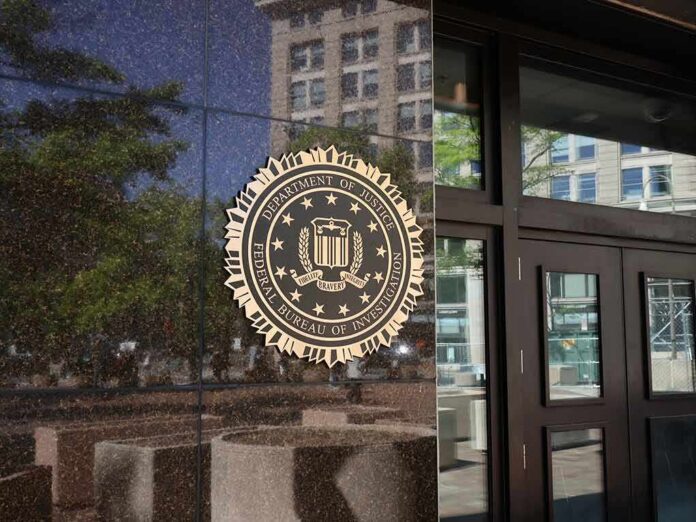
The Federal Bureau of Investigation quietly shifted from automatic disqualification to case-by-case review for some past misconduct, including prostitution, tightening nerves across the political spectrum about standards in federal law enforcement.
Story Snapshot
- The FBI once automatically disqualified applicants for prostitution or bestiality; that line has moved.
- New reports say the bureau will weigh context and timing instead of a blanket ban in some cases.
- Limits remain, including bars for recent, repeated, or trust-related misconduct, according to reporting.
- Critics call the shift a lowering of standards amid staffing pressure; the FBI stresses multi-factor hiring.
What Changed In The FBI’s Hiring Screen
ABC News reported that the Federal Bureau of Investigation is no longer treating an applicant’s past prostitution conduct as an automatic bar and will instead consider context, with exclusions for activity within the last 10 years, three or more total instances, or conduct while in a position of trust. CBS News added that some theft from an employer over three years old is not an automatic disqualifier, and that pre-adult bestiality or animal cruelty may still be considered. The bureau has not posted the full revised text publicly.
The Federal Bureau of Investigation’s prior public eligibility guide listed “engagement in prostitution or bestiality” as automatic disqualifiers, establishing a clear baseline that recent reporting shows has shifted. The current Federal Bureau of Investigation jobs portal emphasizes overall eligibility, such as citizenship, criminal history review, drug policy, and a lengthy hiring process, and frames hiring as multi-factor rather than a single moral veto. This mix supports a move from hard bans to structured discretion, though specific new wording remains withheld.
How The New Approach Would Work, According To Reports
Reported criteria suggest a time-and-frequency screen. Applicants would still be out if prostitution conduct was recent, repeated three or more times, or tied to a trust role, like a job with fiduciary duties. Reported theft rules mirror that logic with a time bar and case review beyond three years. For animal-related misconduct, CBS News described a narrow carve-out for actions before age 18, not for adult behavior. These details indicate limits, not a universal pass.
Because the Federal Bureau of Investigation has not released the full policy memo, some facts remain unclear. The precise definitions of “position of trust,” how adjudicators verify counts of incidents, and whether the thresholds apply to admissions, arrests, or convictions are not public in the sourced reporting. That gap creates confusion as older guides online still show the former automatic bans, while newer reporting describes discretion. The split fuels debate over what has truly changed and how it will be enforced.
Why The Shift Is Happening Now
The Department of Justice urged agencies in 2023 to address a recruitment and retention crisis by rethinking eligibility rules and speeding hiring, a pattern seen across federal law enforcement during tight labor markets. The Federal Bureau of Investigation’s own portal stresses a long, complex hiring process and suitability checks, consistent with a “whole person” approach used in security and trust determinations over many years. That wider frame helps explain why leaders might swap blunt bans for case-by-case judgment.
Kash Patel's FBI Quietly Drops Prostitution and Bestiality as Automatic Disqualifiers for New Agents
The FBI just relaxed the rules on who can carry a badge, and the specifics are almost impossible to believe.
An internal memo sent June 16 loosened hiring standards that previou pic.twitter.com/Gtmn1sLqhU
— The USA Startup (@theusastartup) August 29, 2026
Critics argue the change lowers standards at a crucial national security agency, warning it could weaken integrity to fill vacancies. They point to other reported relaxations, like reduced vetting steps for some internal candidates, as signs of a broader slide. Supporters of modernization counter that structured discretion, time thresholds, and bright-line limits still block recent or repeated misconduct. With the Federal Bureau of Investigation not publishing the new rules yet, the debate will likely intensify in Congress and the public square.
Sources:
mediaite.com, politicalwire.com, fbijobs.gov, civilservicearchive.org, reuters.com, isp.netscape.com
© patriotpostnews.com 2026. All rights reserved.