
Putin is threatening to answer Europe’s ship seizures with ship seizures of his own, raising the risk of a wider sea-for-sea standoff.
Quick Take
- Putin said Russia would retaliate if European countries seize Russian vessels or cargo.
- European governments are treating the target ships as part of Russia’s “shadow fleet” and as sanctions-evasion tools.
- Putin called the actions “piracy” and said Russia could respond “anywhere” it deems necessary.
- The dispute now mixes sanctions enforcement, maritime law, and wartime pressure on Russia’s oil revenue.
What Putin Threatened
Russian President Vladimir Putin said Moscow would respond in kind if European countries seize Russian commercial vessels. He made the warning while overseeing naval drills and said Russia would not limit its response to the same waters where its ships were stopped. Putin also said the Defense Ministry had already received instructions to prepare a response, which raises the stakes well beyond a routine diplomatic spat.
Putin’s language was blunt and political. He described the seizures as “piracy and banditry,” while Reuters reported that he said Russia would act “wherever we ourselves deem necessary and appropriate.” That matters because the message is not only about one ship or one port call. It is a threat meant to warn European governments that Russia may answer sanctions enforcement with its own maritime pressure.
Why Europe Is Seizing These Ships
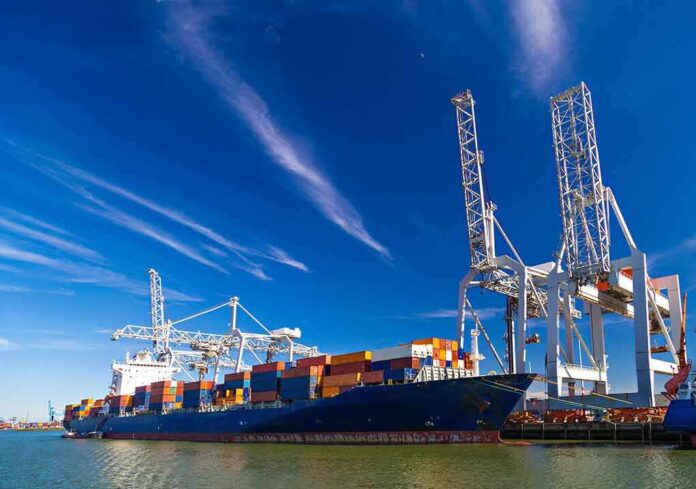
The European side says the vessels are linked to Russia’s “shadow fleet,” a loose network of tankers used to move oil while trying to evade sanctions. Reuters reported that France’s navy seized another tanker linked to that fleet, framing the move as part of a push to squeeze one of Moscow’s main revenue streams. The Moscow Times said the European Union’s July sanctions mechanism allows member states to confiscate and sell Russian oil carried on such ships.
That detail helps explain why this fight keeps escalating. Europe is not describing these boardings as random seizures of normal trade. It is presenting them as enforcement against sanctions evasion tied to Russia’s war economy. At the same time, Russian officials reject that framing and say the moves violate maritime law. The clash is therefore both legal and political, with each side using very different words for the same actions.
What the Standoff Could Mean
The biggest risk is that both sides keep raising the pressure without a clear off-ramp. Reuters reported in February that Kremlin aide Nikolai Patrushev warned Russia might mobilize naval forces if European nations keep capturing Russian vessels. Other reporting says Britain, France, and Baltic states could be the focus of a stronger Russian response if Moscow believes the pattern is spreading. That makes each new interception more dangerous than the last.
https://twitter.com/Littlefrog8524/status/2087472652831055882
There is also a larger trust problem underneath the dispute. Many people on both sides of the political spectrum already see their governments as opaque, self-protective, and quick to use power without much public explanation. This case feeds that suspicion because the key questions are public only in fragments: which ships were targeted, where they were stopped, and what legal authority was used. Until those records are clearer, the piracy claim and the sanctions claim will keep talking past each other.
Sources:
insiderpaper.com, reuters.com, upday.com, hindustantimes.com, english.aawsat.com, straitstimes.com, scmp.com
© patriotpostnews.com 2026. All rights reserved.