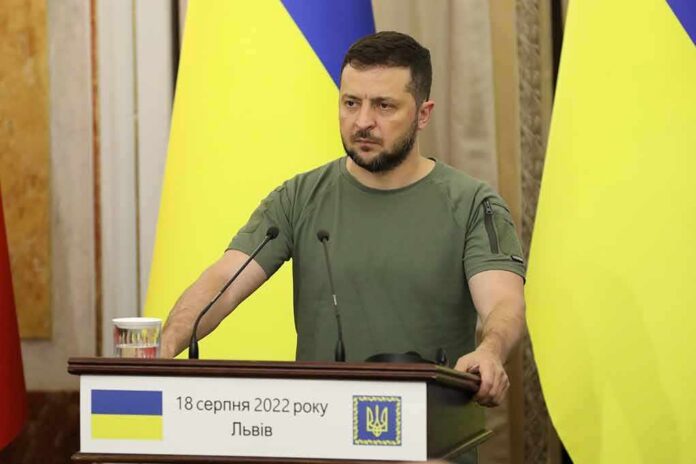
Jared Kushner and Steve Witkoff met President Volodymyr Zelenskyy in Kyiv one day after talks with Vladimir Putin in Moscow, in a fresh push to end the war in Ukraine.
Story Highlights
- U.S. envoys Jared Kushner and Steve Witkoff met Zelenskyy in Kyiv after a Moscow stop with Putin.
- Ukraine said the talks covered air defenses, including Patriot systems, and other urgent needs.
- Officials described the mission as part of a renewed effort to make progress toward a peace deal.
- Kyiv publicly acknowledged the meeting and had previewed the visit days earlier.
Confirmed Meetings And Sequence
U.S. envoys Jared Kushner and Steve Witkoff met Ukrainian President Volodymyr Zelenskyy in Kyiv after holding talks with Russian President Vladimir Putin in Moscow the previous day. Multiple outlets reported the Moscow-to-Kyiv sequence, and the Ukrainian presidency acknowledged the Kyiv meeting on its official channels. The Associated Press described the effort as a renewed White House push to make progress on ending Russia’s full-scale invasion, while Deutsche Welle reported the one-two itinerary across the two capitals.
President Zelenskyy publicly previewed the visit days before it happened. He said his team was locking in dates for the envoys to come to Ukraine after their outreach, according to Ukrainian and regional reporting. The presidency’s website later noted that Zelenskyy spoke about a meeting in Kyiv with U.S. envoys Steven Witkoff and Jared Kushner. These statements anchored the event in official Ukrainian records rather than rumor or anonymous claims.
What The Sides Discussed In Kyiv
Zelenskyy said discussions with Kushner and Witkoff included Ukraine’s defense needs. Coverage following the meeting highlighted air defenses, including requests for Patriot missile systems, and other weapons Ukraine expects to need in coming months. That aligns with Kyiv’s long-running push to protect cities and energy sites from missile and drone strikes while holding ground along the front.
U.S. and Kremlin-side accounts framed the Moscow discussions as part of a broader path toward talks, without announcing a deal. A White House official described “substantive plans for next steps,” and a Kremlin aide said Putin stressed addressing the “root causes” of the conflict. The Kyiv stop then continued that track with Ukraine’s leader, signaling active shuttle diplomacy even as core terms remain unresolved in public.
Why The Order Of Visits Mattered
Earlier debate focused on whether visiting Moscow without Kyiv would slight Ukraine. Kyiv-based and international coverage documented this sensitivity, and the envoys’ choice to go to Kyiv addressed that concern. In modern diplomacy, the order of meetings can carry as much political weight as the content, especially when readouts are thin. This trip pattern echoed that reality by balancing optics across both capitals while trying to build momentum for talks.
The approach also fit a broader pattern in high-stakes mediation. Governments often release only partial readouts, leaving the public to rely on brief statements and press summaries. That can amplify symbolism—like itinerary choices, joint photos, and single-word labels such as “substantive”—over detailed terms. Still, the documented meetings and on-record remarks give a clear baseline: Moscow first, Kyiv second, and an emphasis on keeping a channel open.
What It Means For Americans
The United States is trying to end a costly European war that has driven energy shocks, defense spending spikes, and supply chain strain. Many Americans, right and left, see a federal government that talks big but delivers late. A visible push that pairs Moscow talks with a Kyiv visit signals effort, but the test is results that reduce the risk of wider war and lower the bills families feel at the pump and on power costs.
BREAKING | REPORTED TRUMP PEACE PLAN SPARKS CONTROVERSY IN UKRAINE
A Ukrainian media report attributed to Glavkom claims that the latest peace proposal carried by U.S. envoys Steve Witkoff and Jared Kushner could require major concessions from Kyiv in exchange for ending the war… pic.twitter.com/jq7RMzDGZ2
— CSB News USA (@csbnewsus) September 7, 2026
People worry that elite players run quiet deals while regular citizens carry the cost. This mission features known figures close to power, which can feed that concern. At the same time, if the channel helps secure better air defenses for Ukraine and sets guardrails against escalation, it could serve U.S. interests by stabilizing markets and avoiding deeper military commitments. Public clarity on goals and timelines would help build trust across the political spectrum.
What To Watch Next
Watch for formal readouts from the White House, the Ukrainian presidency, or the Kremlin that set concrete next steps. Look for signs of new air-defense deliveries, including Patriot systems, or other measurable support tied to Kyiv’s requests. Track whether the envoys return to either capital soon, which would show the shuttle is active. Finally, watch energy and grain markets; they often react before diplomats publish the fine print.
Sources:
reuters.com, newsukraine.rbc.ua, abcnews.com, theguardian.com, president.gov.ua, cnbc.com
© patriotpostnews.com 2026. All rights reserved.