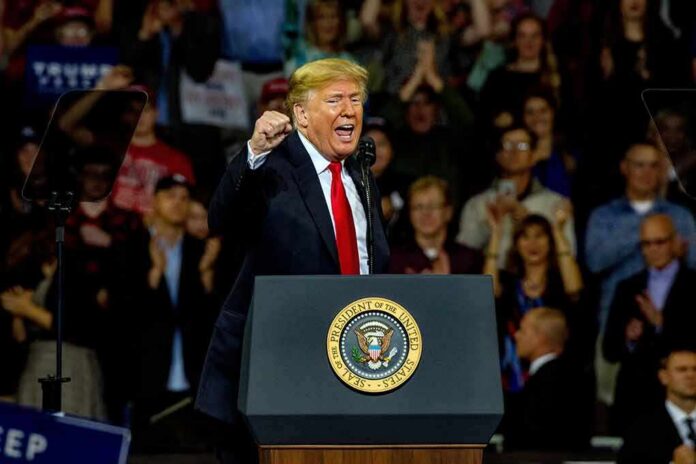
Polling now shows most Americans unhappy with President Trump’s economy, and that anger could shape the midterms.
Story Highlights
- National polls find only about one-third approve of Trump’s handling of the economy.
- Majorities blame Trump for higher gas prices, a top kitchen-table strain.
- Independents rate Trump’s economic record very poorly, threatening GOP in battlegrounds.
- Republicans try to shift focus to accomplishments and Democrats, not rising costs.
National Mood Turns Against Trump’s Economic Record
Surveys this summer show weak public ratings for the economy under President Trump. Marist reported that only about one-third approve of his handling of the economy, while most disapprove. PBS summarized similar results, citing sixty percent disapproval of Trump’s approach. These numbers reflect daily costs that people feel. Gas, rent, and groceries are squeezing budgets. Low approval does not decide races by itself. But it affects enthusiasm, message control, and how close contests break late.
Quinnipiac found voters blame Trump for higher gas prices. A majority said he deserves a lot of blame for the recent rise, with more adding that he deserves some. Fuel costs hit families each week, so voters notice fast. When people see higher prices at the pump, they connect it to leadership. That reaction may be unfair or fair. Either way, the link is political reality. Campaigns know that perception can drive turnout and choice.
Independents And Battlegrounds Show Specific Warning Signs
CNN polling reported sharp declines among pure independents on economic handling, with approval crashing to single digits in the spring. That group often decides close races. If they lean away from the party in power, the map gets harder. In Pennsylvania, a late-September poll showed Trump’s job approval at one-third and weak marks on gas prices among likely voters. Those are not outlier states or niche blocs. They are places and voters that decide control of Congress.
USA Today coverage of national polling pointed to low marks on inflation and cost of living, with approvals near one-fifth on those items. People feel their paychecks do not stretch. That strain crosses ideology and income. Conservatives dislike higher energy and grocery bills. Liberals worry about rent and health costs. Many on both sides think Washington helps insiders first. When both camps agree that leaders failed on basics, the party in charge pays a price at the polls.
Republican Strategy Seeks To Reframe Responsibility
Republicans pushed a different message at their midterm convention. They asked voters to be patient and to look at accomplishments, not prices at this moment. Reuters reported Trump called “affordability” a Democratic “hoax” and said prices were way down since he returned to office. That stance aims to redirect attention. The goal is to make the election a choice, not a referendum, by warning that Democratic control would be worse for families.
Party voices also highlight tax relief, lower drug costs, and support for farmers and rural hospitals, saying these prove progress on affordability. That list speaks to specific pain points outside big cities. But polls suggest many voters still feel squeezed. Messaging can buy time only if prices ease or wages begin to win the race against costs. If the squeeze continues into voting, frustration tends to beat talking points, no matter who is in power.
How This Fits The Midterm Pattern—and Its Limits
History shows that a president’s approval, especially on the economy, is tied to midterm losses. Brookings research notes that the president’s party has lost House seats in most midterms since 1938, with deeper losses when approval is low. Today’s polling lines up with that pattern. Still, seat outcomes depend on candidates, district lines, and turnout machinery. Polls measure mood, not ballots. National pain must still translate into local wins to flip chambers.
High Prices Still Divide Voters as Republicans Target Fraud, Waste, and Beijing
The last several days have revealed a startling picture of America’s economy as her midterms approach. The public is evenly split on who caused high prices. I made a sharp argument that midterms… pic.twitter.com/bN3nNxXfAu
— Dr. Joseph Ford Cotto (@JosephFordCotto) September 27, 2026
For readers who feel the system serves elites, this story reinforces that fear. Voters blame leaders for costs that never seem to fall, while leaders argue over blame or redirect attention. Families see prices first and promises second. That gap fuels anger across the spectrum. The takeaway is simple: watch independents, watch gas and grocery trends, and watch whether either party offers concrete, near-term relief. Midterms often punish the party in power when people cannot afford the basics.
Sources:
npr.org, thehill.com, poll.qu.edu, today.marquette.edu, nbcnews.com, nytimes.com, inquirer.com, cnn.com
© patriotpostnews.com 2026. All rights reserved.