
Federal prosecutors say a man living in the United States illegally helped launder proceeds from a $1.3 billion health care fraud scheme tied to false Medicare and insurer claims.
Story Snapshot
- A federal grand jury charged Erekle Gugava with conspiring to launder health care fraud proceeds.
- Prosecutors link the case to a broader $1.3 billion Medicare and insurer fraud scheme.
- Justice Department summaries show money laundering is common in large Medicare fraud cases.
- Officials say the scheme used sham medical businesses and bank accounts to move funds.
What Prosecutors Allege In The New Case
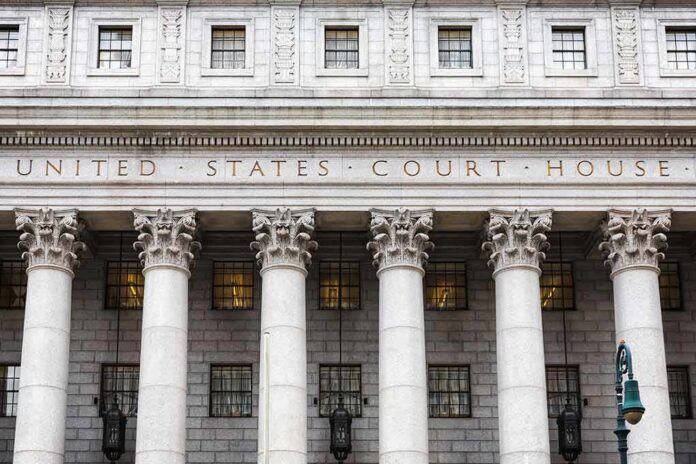
The Department of Justice said a federal grand jury in Boston indicted Erekle Gugava, a 33-year-old Georgian national, for conspiracy to launder money tied to a $1.3 billion health care fraud scheme. Court papers state Gugava was in the country illegally and acted as a money launderer for a transnational group behind false claims to Medicare and private insurers. The filing alleges he opened and controlled bank accounts under the name ND Medical and deposited reimbursement checks into those accounts.
Prosecutors describe a setup that moved fraud proceeds through layers of transactions after insurers paid on fake or inflated claims. The District of Massachusetts case aligns with recent Justice Department strike force actions that target durable medical equipment and telehealth billing schemes. In those operations, investigators flag unusual billing patterns, then trace money across accounts to show concealment and control by the group’s members. An indictment is an allegation; Gugava is presumed innocent unless proven guilty.
How The $1.3 Billion Fits The Pattern
The $1.3 billion figure reflects the scale of the broader scheme, not what any one person handled. Federal fraud cases often pair false billing with money laundering counts to show how proceeds were moved and disguised. In past actions, the Justice Department highlighted national takedowns involving about $1.3 billion in false billings, stressing that laundering is central to running and hiding such operations. These patterns help explain why charging papers in big cases often focus on bank control, deposits, and transfers.
Justice Department case summaries from 2026 describe a nationwide plan to bill Medicare for unnecessary or misrepresented medical equipment, followed by steps to shift proceeds through controlled accounts and shell firms. That structure mirrors allegations in the Gugava filing, which cites bank accounts opened in a business name and check deposits from private insurers and supplemental Medicare plans. Prosecutors say these methods aim to make illegal money look like normal business income and to distance it from the original false claims.
Why This Matters To Taxpayers And Patients
Medicare fraud drains taxpayer money and can harm patients when sham claims hide poor care or unneeded services. When groups push fake bills, the costs spread to public programs and private insurance premiums. Federal teams built around data analytics now look for billing outliers and fast-moving schemes that hop from city to city. That “hot spot” approach is meant to keep fraud from sinking deeper roots in communities and to protect patient trust in the system.
DECODE CONFLICT | INVESTIGATION
$1.3 BILLION IN FIVE MONTHS: ILLEGAL ALIEN INDICTED IN MASSIVE U.S. HEALTH-CARE FRAUD CASE
A Georgian national described by the Justice Department as an illegal alien has been federally indicted in Boston in connection with an alleged $1.3… pic.twitter.com/iRopPXkBlH
— Decode Conflict (@DecodeConflict) September 5, 2026
This case also touches a broader concern many Americans share: a system that can be gamed by well-organized networks while regular people face rising costs and complex rules. The facts prosecutors laid out focus on financial control and bank activity, not politics. Still, the stakes are clear. When fraud rings exploit Medicare and insurers, the burden lands on workers, seniors, and families who fund and rely on these programs. Strong, even-handed enforcement is a basic guardrail for everyone.
Sources:
© patriotpostnews.com 2026. All rights reserved.