Lockheed Martin’s new “half-price” Patriot missile promises cheaper protection from enemy rockets and drones, but it also raises fresh questions about who really benefits from America’s booming missile-defense business.
Story Snapshot
- Lockheed Martin unveiled the PAC-3 ACE, a new Patriot interceptor it says costs less than half the current missile.
- The new “baby Patriot” aims to fix a dangerous shortage of air-defense missiles exposed by wars in Ukraine and the Middle East.
- The ACE is built on existing Patriot systems, letting the United States and allies buy more missiles fast without new launchers.
- Cheaper interceptors may mean more protection, but they also deepen long-running worries about soaring missile-defense costs and contractor power over policy.
Lockheed Martin rolls out a cheaper Patriot interceptor
Lockheed Martin, the giant defense contractor, has introduced a new missile for the Patriot air defense system called the PAC-3 Adapted Capability Effector, or ACE. The company says this interceptor will cost less than half as much as its current PAC-3 Missile Segment Enhancement missile, which runs about $4 million per shot based on United States Army budget documents. That rough math puts each ACE missile somewhere under $2 million, a big change in a field where every trigger pull is extremely expensive.
The new ACE missile was unveiled on July 20 at the Farnborough International Airshow in the United Kingdom, a major stage for defense and aviation deals. Lockheed Martin built ACE to work with the already-deployed Patriot launchers and the Integrated Battle Command System, so militaries do not need to buy brand-new hardware to use it. This design lets the United States and European allies increase missile numbers more quickly, which is vital as stockpiles shrink under constant use in recent conflicts.
Answering a growing missile shortage in modern wars
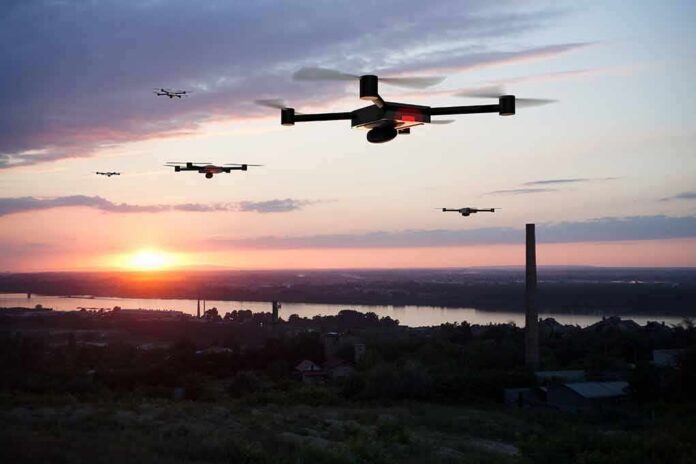
Recent wars in Ukraine and the Middle East have shown how fast advanced missiles can be burned through when countries defend against waves of cheap drones and rockets. In many cases, million-dollar interceptors are being used to shoot down low-cost threats, like drones that cost tens of thousands of dollars or less. This mismatch drains defense budgets and leaves fewer missiles in storage for truly dangerous ballistic missile attacks. The ACE missile is meant to stretch those stockpiles by offering more shots at lower cost per interceptor.
Lockheed Martin and government officials say the cheaper missile will help the United States and Europe keep enough Patriot interceptors on hand without blowing up budgets even further. The company has signaled that full-scale production of ACE could begin within about three years, helped by partnerships with factories in the United States and Europe. That schedule fits with broader United States plans to ramp up missile output as Congress keeps approving large defense spending bills, even while many regular Americans feel their own needs are pushed aside.
How PAC-3 ACE cuts costs — and what it might trade away
Lockheed Martin describes PAC-3 ACE as a “high-performance, low-cost interceptor” built to defeat aircraft, cruise missiles, and short-range ballistic missiles for less than half the cost of PAC-3 MSE. To lower the price, the company leans on existing Patriot fire-control systems instead of designing a whole new system from scratch, which saves time and engineering money. Analysts estimate the ACE price tag will likely land around $1.5–$2 million per missile, based on known PAC-3 costs and Lockheed’s claims.
Defense experts have seen similar “low-cost interceptor” promises before and often ask whether cheaper missiles lose some punch against the hardest targets. Past missile-defense programs show that headline prices rarely tell the full story, and total costs tend to creep up over time. If ACE is mainly focused on lower-end threats like drones and shorter-range rockets, commanders may still need more expensive interceptors for top-tier ballistic missiles, keeping overall spending high and leaving taxpayers to fund both “cheap” and “premium” layers of defense.
What this means for taxpayers and the deepening defense economy
Missile defense is already one of the most expensive parts of the Pentagon budget, with projections showing costs could reach well over $100 billion over a decade. Powerful contractors such as Lockheed Martin sit at the center of that spending, winning multi-billion-dollar agreements to speed up missile production. For many Americans on both the right and the left, this raises a familiar worry: the federal government seems ready to write blank checks for missiles while arguing that there is not enough money to fix schools, roads, or health care.
🇺🇸 Lockheed Martin just unveiled the PAC-3 ACE, a more affordable Patriot interceptor expected to cost less than half as much as the current MSE version.
It’s designed to take down drones and other aerial threats, with production potentially beginning within the next 36 months.…
— Mario Nawfal (@MarioNawfal) July 21, 2026
Supporters of systems like PAC-3 ACE say the United States must pay whatever it takes to defend troops and cities from rising missile and drone threats. Critics reply that a permanent emergency mindset lets a small group of defense firms and officials control huge sums with little real oversight. The new “baby Patriot” missile highlights this tension: it may close a real gap in air defenses, but it also ties America even tighter to a high-cost, contractor-driven security model that many citizens already believe serves the elites more than the everyday person.
Sources:
defenseone.com, businessinsider.com, ntd.com, money.usnews.com, english.pravda.ru, nikk.agency, cpmiteam.com, army-technology.com, nationalacademies.org, asafm.army.mil, scribd.com
© patriotpostnews.com 2026. All rights reserved.